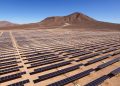






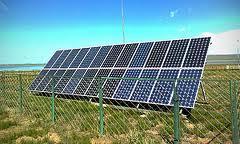

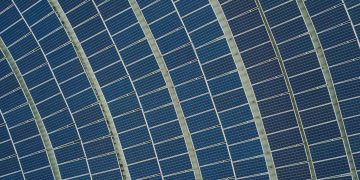


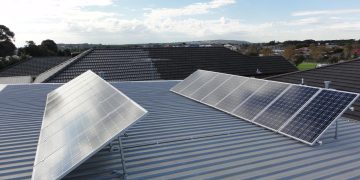

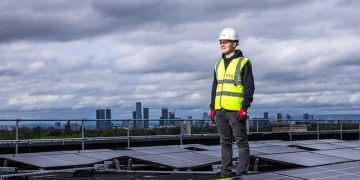



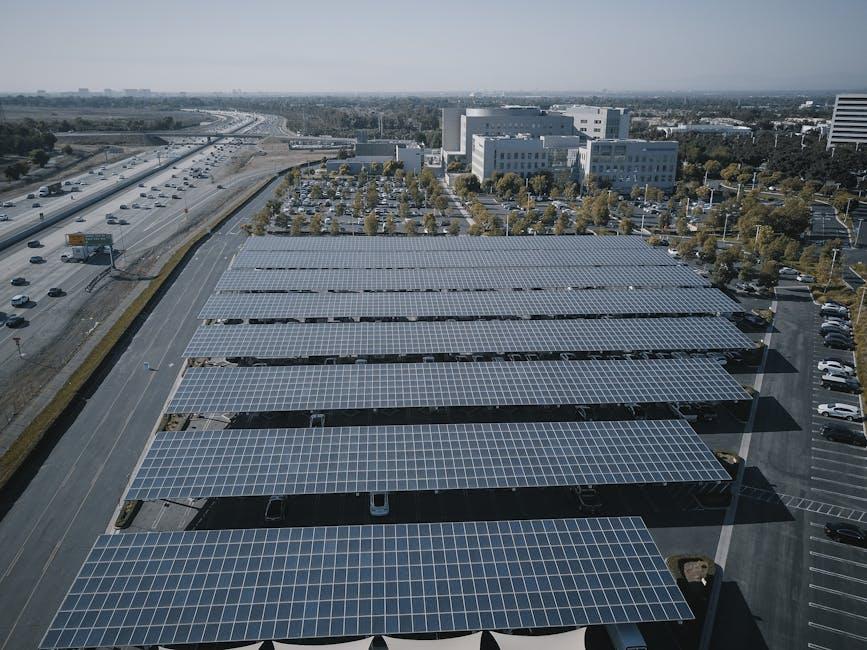
Beneath the expansive canopy of the sky, where the sun’s relentless rays kiss the earth, a new kind of farm is sprouting—one that harvests sunlight rather than crops. Solar farms, with their gleaming arrays of photovoltaic panels, are heralded as beacons of sustainable energy, promising a future less reliant on fossil fuels. Yet, as these metallic fields proliferate, questions arise about their impact on the very landscapes they inhabit. Are these solar sanctuaries quietly reshaping local ecosystems, or do they coexist harmoniously with the flora and fauna that preceded them? This exploration delves into the intricate dance between solar innovation and environmental preservation, seeking to illuminate the subtle nuances of this modern energy frontier.
Balancing Energy Needs and Biodiversity Understanding Solar Farms Environmental Footprint
In the quest for cleaner energy, solar farms have become a beacon of hope. Yet, they also present a unique set of challenges, particularly when it comes to their impact on local ecosystems. While the intention is to reduce carbon emissions and combat climate change, the construction and operation of these solar power plants can potentially disrupt habitats and affect biodiversity. The balance between energy production and ecological preservation hinges on several key factors:
- Land Use: Solar farms often require vast expanses of land, which can lead to habitat loss for native species. It’s crucial to assess whether these sites overlap with critical wildlife corridors or sensitive ecosystems.
- Water Resources: The maintenance of solar panels may involve significant water use, impacting local water availability. Proper management practices are essential to minimize water footprint.
- Vegetation Management: The need to keep solar panels free from shade can lead to the removal of natural vegetation. Employing eco-friendly vegetation management strategies can mitigate this impact.
By understanding and addressing these factors, solar farms can evolve into a more harmonious component of our energy landscape, ensuring that the push for renewable energy does not come at the expense of the natural world.
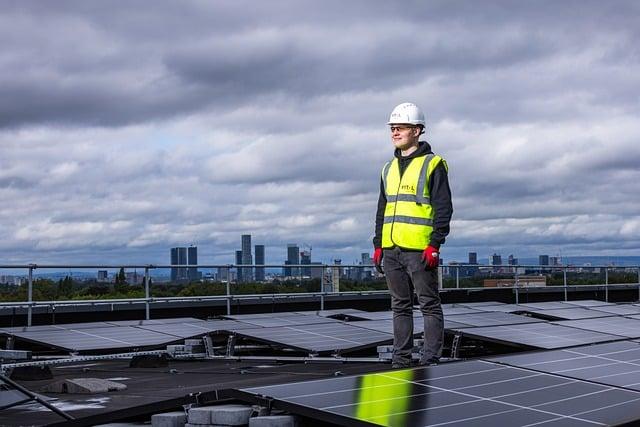
The Subtle Impacts of Solar Arrays on Wildlife and Habitats
When we think about the transition to renewable energy, solar farms are often hailed as a cornerstone of this transformation. However, these sprawling arrays can subtly affect the ecosystems in which they are installed. The land beneath and around solar panels undergoes a transformation that can alter local habitats. Changes in land use and microclimate conditions can lead to shifts in the types of plant species that thrive, potentially affecting the insects and animals that depend on them. These ecological shifts, while not immediately visible, can ripple through the food web, influencing everything from small mammals to bird populations.
Moreover, solar installations can inadvertently become barriers or conduits for wildlife movement. Solar arrays can influence local wildlife in various ways, including:
- Habitat Fragmentation: The construction and maintenance of solar farms may fragment habitats, posing challenges for species that rely on large, contiguous areas.
- Altered Water Patterns: Changes in drainage and water absorption due to the installation of solar panels can affect local water-dependent ecosystems.
- Noise and Light Pollution: The construction phase and ongoing maintenance activities can introduce noise, while the reflective surfaces of solar panels might affect nocturnal species sensitive to light.
As we embrace solar energy, it’s crucial to consider these subtle yet significant ecological impacts. Balancing renewable energy development with biodiversity conservation requires thoughtful planning and ongoing research to ensure that the green energy transition remains truly sustainable.

Innovative Approaches to Harmonize Solar Development and Ecological Preservation
In the quest to achieve a sustainable future, it’s imperative to adopt innovative strategies that ensure solar development does not come at the cost of ecological integrity. One approach involves integrating biodiversity-friendly practices within solar farm designs. By utilizing pollinator-friendly plants, developers can create habitats for local wildlife, supporting both energy production and ecological health.
- Dual-use land management: Implementing agrovoltaics, where agricultural activities coexist with solar installations, helps maintain productive land use while generating renewable energy.
- Wildlife corridors: Designing solar farms with passageways for animals to traverse can minimize habitat fragmentation.
- Native vegetation: Planting indigenous species around solar panels can foster local flora and fauna, promoting biodiversity.
- Dynamic solar tracking systems: Utilizing technology that allows panels to move can reduce ground coverage, preserving more natural landscapes.
By adopting these forward-thinking practices, the solar industry can align with conservation goals, ensuring that the shift towards renewable energy is both environmentally and socially responsible.

Policy and Community Strategies for Eco-Friendly Solar Farm Implementation
In crafting policies for the establishment of solar farms, it’s essential to consider strategies that prioritize both ecological preservation and community involvement. One effective approach is the integration of biodiversity corridors within solar farm designs. These corridors can facilitate wildlife movement and promote native plant growth, ensuring that the solar infrastructure does not become a barrier to local ecosystems. Additionally, employing native vegetation around and within solar panel arrays can provide habitats for pollinators and other species, which are crucial for maintaining ecological balance.
Community strategies play a pivotal role in harmonizing solar farm projects with local needs. Engaging local stakeholders through participatory planning sessions can foster a sense of ownership and address potential ecological concerns early in the development process. Establishing community advisory boards can help mediate between developers and residents, ensuring that projects are not only environmentally sound but also socially equitable. Furthermore, implementing educational programs to raise awareness about the benefits and potential ecological impacts of solar farms can empower communities to make informed decisions and advocate for sustainable practices.
The Way Forward
As the sun dips below the horizon, casting a golden hue over the sprawling expanse of solar panels, the question lingers like the last notes of a symphony: are solar farms, our harbingers of a greener tomorrow, silently disrupting the natural symphony of life they share the land with? The dialogue between innovation and conservation remains complex, a delicate dance that requires thoughtful choreography. While solar farms promise a future less reliant on fossil fuels, their footprint on local ecosystems cannot be ignored. Balancing these scales demands not only scientific inquiry but also a commitment to stewardship that honors both the earth and the energy it provides. As we journey forward, let us remain vigilant stewards of this delicate balance, ensuring that the light of progress does not cast shadows too deep for nature to navigate.