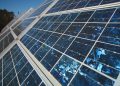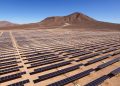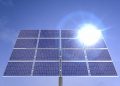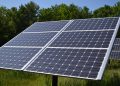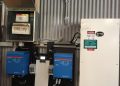


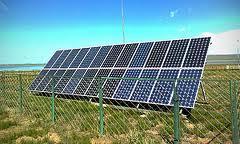

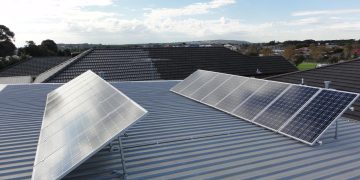
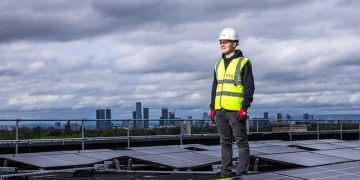


In a world increasingly driven by the twin imperatives of technological advancement and environmental sustainability, the marriage of the Internet of Things (IoT) and solar power emerges as a beacon of innovation. As sunlight dances across solar panels and transforms into electricity, a sophisticated network of IoT devices stands ready to orchestrate the symphony of energy consumption. These digital conductors manage the ebb and flow of power with precision, ensuring that every ray of sunshine is harnessed to its fullest potential. From smart thermostats to intelligent lighting systems, IoT devices are quietly revolutionizing the way we interact with solar energy, making it more efficient, reliable, and user-friendly. This article delves into the fascinating interplay between IoT and solar power, exploring how these cutting-edge technologies are reshaping our energy landscape and paving the way for a more sustainable future.
Harnessing the Sun: The Role of IoT in Solar Energy Optimization
In the evolving landscape of renewable energy, the integration of Internet of Things (IoT) devices has emerged as a game-changer for solar power systems. These smart devices are instrumental in optimizing solar energy consumption, enabling households and businesses to maximize their energy efficiency. By continuously monitoring solar panel output and energy consumption patterns, IoT devices can adjust energy usage dynamically. This results in reduced waste and enhanced cost savings, making solar power not only a sustainable choice but also an economically savvy one.
Key functionalities of IoT in solar energy optimization include:
- Real-time Monitoring: IoT devices provide real-time data on energy production and consumption, allowing for immediate adjustments.
- Predictive Maintenance: Sensors can detect anomalies in solar panels and alert users to potential issues before they escalate, minimizing downtime.
- Smart Grid Integration: IoT enables seamless interaction with smart grids, allowing for the efficient distribution of surplus energy.
- Automated Control Systems: These systems can autonomously switch between solar and grid power based on real-time data, optimizing energy usage.
Smart Grids and Sensors: Enhancing Solar Efficiency with IoT Technology
In the rapidly evolving landscape of renewable energy, the integration of IoT technology is a game-changer, particularly for solar power systems. By leveraging smart grids and advanced sensors, IoT devices meticulously monitor and manage energy flow, ensuring optimal performance and efficiency. These systems gather real-time data from various points in the solar network, enabling precise control and adjustments to be made dynamically. As a result, energy consumption is not only streamlined but also tailored to the needs of individual users and larger grids.
- Real-time Monitoring: IoT sensors provide continuous feedback on energy production and consumption, allowing for immediate adjustments.
- Predictive Maintenance: Anticipate and address potential issues before they become significant, reducing downtime and maintaining efficiency.
- Energy Forecasting: Analyze patterns and predict future energy needs, aligning production with demand.
- Dynamic Load Balancing: Automatically redistribute energy based on current load requirements, minimizing waste.
These advancements are paving the way for a more resilient and responsive energy infrastructure. The seamless communication between devices ensures that solar energy is harnessed to its fullest potential, significantly reducing reliance on non-renewable sources.
Data-Driven Decisions: How IoT Transforms Solar Power Management
The integration of Internet of Things (IoT) devices into solar power systems is revolutionizing how energy is managed, leading to more efficient and intelligent consumption patterns. These devices collect vast amounts of data from solar panels and other system components, offering real-time insights that were previously unattainable. With IoT, solar power management is no longer a guessing game; instead, it becomes a finely tuned operation where energy generation, storage, and usage are seamlessly optimized.
- Real-Time Monitoring: IoT sensors track performance metrics, such as voltage and current, enabling immediate adjustments to improve efficiency.
- Predictive Maintenance: Data analytics can predict when components might fail, reducing downtime and maintenance costs.
- Enhanced Grid Interaction: IoT devices facilitate better communication with the grid, allowing for smarter energy distribution and load balancing.
- Automated Energy Distribution: Algorithms decide when to store energy, use it, or feed it back to the grid, maximizing utility and cost-effectiveness.
By leveraging the power of IoT, solar power management is not just about collecting energy but intelligently distributing and utilizing it. This transformation allows for more sustainable practices, reduced energy waste, and ultimately, a greener planet.
Best Practices for Integrating IoT with Solar Systems for Optimal Performance
To seamlessly blend the Internet of Things with solar systems, it’s crucial to focus on data accuracy and system interoperability. Ensure that all IoT devices are equipped with high-precision sensors capable of capturing real-time data on solar panel performance, energy consumption, and environmental conditions. By integrating this data with advanced analytics platforms, you can gain valuable insights to optimize energy usage and maintenance schedules.
- Real-Time Monitoring: Implement IoT solutions that provide continuous monitoring of solar panel efficiency and detect anomalies swiftly.
- Predictive Maintenance: Utilize IoT data to anticipate potential system failures and perform maintenance proactively, reducing downtime.
- Energy Management: Leverage IoT to intelligently manage energy distribution, ensuring that excess power is stored or redirected as needed.
- Seamless Integration: Use standardized protocols and APIs to ensure that IoT devices can communicate effectively with existing solar infrastructure.
Prioritizing security and scalability is equally important. Implement robust cybersecurity measures to protect sensitive data and ensure that your IoT architecture can accommodate future expansions and technological advancements.
Insights and Conclusions
In the ever-evolving dance between technology and nature, IoT devices stand as choreographers, harmonizing the steps of solar power consumption. They translate the sun’s whispers into actionable insights, crafting a narrative of efficiency and sustainability. As the digital and natural worlds continue to intertwine, the promise of smarter energy management glows ever brighter on the horizon. By embracing these innovations, we pave the way for a future where technology not only meets our needs but also respects the delicate balance of our planet. So, as we stand at this crossroads, let us look forward with curiosity and commitment, ready to harness the full potential of solar power through the intelligent orchestration of IoT.