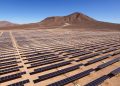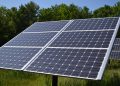



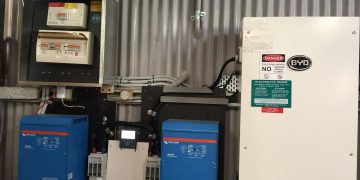
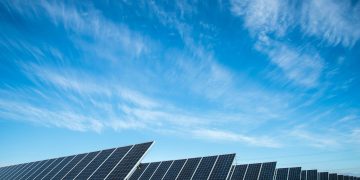
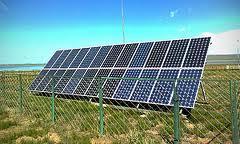
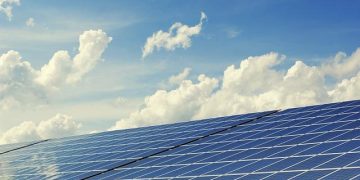




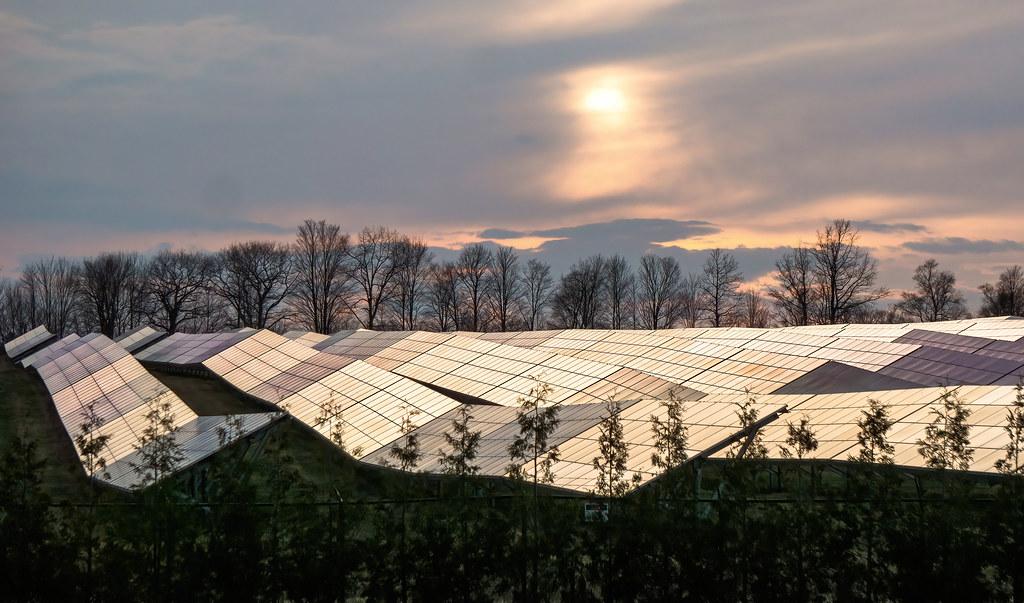
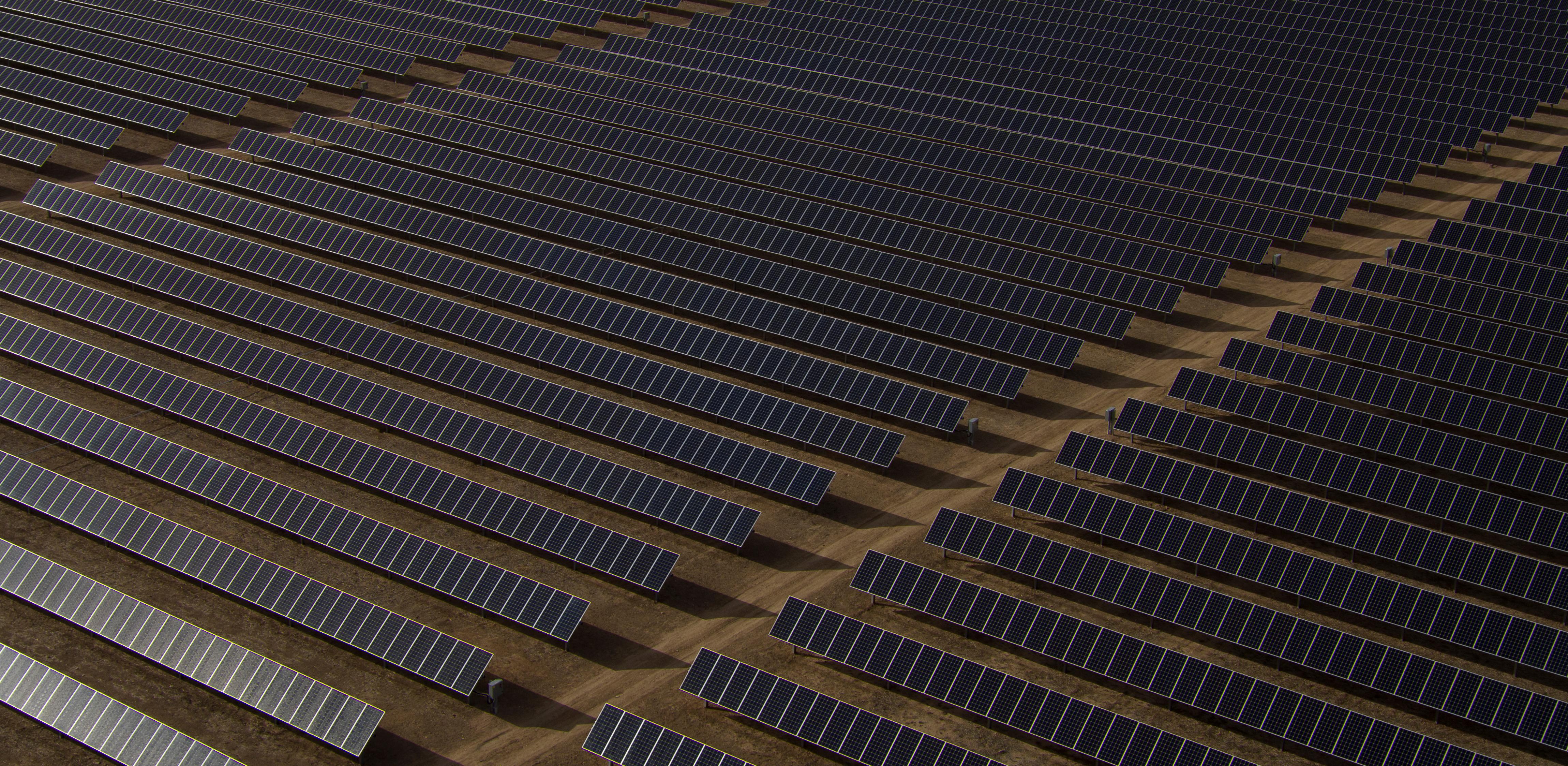
In the ever-evolving landscape of commercial real estate, where innovation meets investment, a new player has emerged with the potential to reshape the industry’s horizon: solar farms. As fields of glistening panels begin to dot the countryside and edge into urban peripheries, they herald a transformation not just in energy consumption but in the very fabric of property development and value. The intersection of sustainable energy production and commercial real estate offers a dynamic frontier filled with opportunities and challenges. This article delves into the multifaceted impact of solar farms on commercial real estate, exploring how these sun-soaked ventures influence land valuation, infrastructure planning, and the broader economic landscape. Join us as we navigate this bright new world, where the power of the sun fuels both innovation and investment.
Harnessing the Sun: How Solar Farms are Shaping Commercial Real Estate
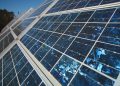
In the evolving landscape of commercial real estate, the integration of solar farms has become a pivotal factor. Solar energy installations are not only reducing the carbon footprint of properties but also transforming how businesses approach energy consumption and sustainability. By tapping into the sun’s inexhaustible energy, commercial properties can significantly cut down on utility costs and enhance their green credentials, making them more attractive to eco-conscious tenants and investors.
- Cost Efficiency: Solar farms can provide stable energy prices, shielding businesses from volatile utility costs.
- Increased Property Value: Properties with solar installations often experience a rise in market value, appealing to a broader range of buyers.
- Attracting Tenants: Green energy solutions are increasingly sought after, and properties that offer them can attract a higher quality of tenants.
- Tax Incentives: Many regions offer tax breaks and incentives for solar energy adoption, providing additional financial benefits to property owners.
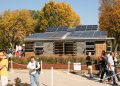
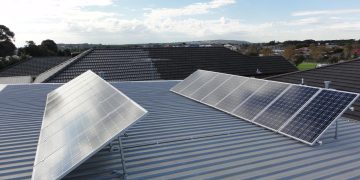
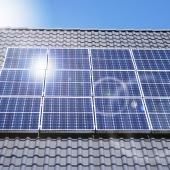
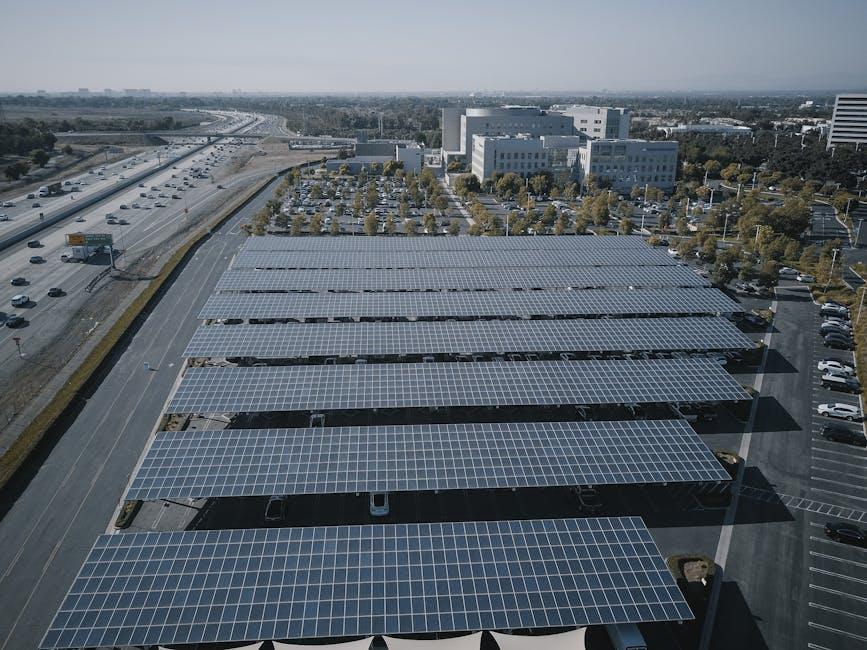
Moreover, solar farms are reshaping the aesthetics and functionality of commercial spaces. Rooftop solar panels and solar parking canopies are becoming commonplace, providing not only energy but also shading and protection for vehicles. This dual functionality optimizes space usage, making commercial properties more versatile and efficient. The growing trend towards solar energy signifies a shift towards more sustainable, economically sound real estate development.
Land Value and Lease Dynamics: The Economic Ripple of Solar Installations
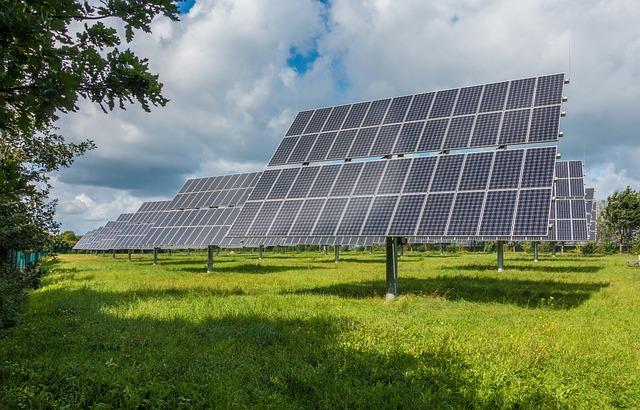
Solar farms are increasingly influencing the landscape of commercial real estate, not just through their physical presence but by altering the economic equations of land value and lease agreements. As these installations become more prevalent, they can lead to a reevaluation of land worth, particularly in regions where sunlight is abundant. The introduction of solar farms often elevates property value, due to the potential for sustainable energy production and reduced utility costs, making nearby commercial plots more attractive to eco-conscious investors.
The dynamics of leasing agreements are also experiencing a transformation. With solar installations, landowners can explore new avenues of income through long-term lease contracts with energy companies. These leases typically offer stable and predictable returns, appealing to property owners who prefer consistent cash flows over speculative investments. Furthermore, solar farms can prompt a reconfiguration of zoning laws and land use policies, encouraging a shift towards renewable energy projects. This trend has the potential to reshape the commercial real estate market, with stakeholders needing to adapt to the evolving landscape that prioritizes environmental sustainability.
- Increased property values
- Stable lease income for landowners
- Potential zoning and policy shifts
Balancing Green Initiatives with Property Development Goals
As the world pivots towards sustainable energy, the intersection of solar farm developments and commercial real estate presents a unique set of opportunities and challenges. Solar farms offer an environmentally-friendly energy source, potentially reducing the carbon footprint of surrounding commercial properties. However, the integration of these green initiatives requires careful planning to ensure they align with broader property development goals. Key considerations include:
- Zoning regulations: Understanding local zoning laws is crucial, as they can affect both the placement of solar farms and the development potential of nearby properties.
- Aesthetic impact: The visual presence of solar installations may influence the marketability and perceived value of adjacent commercial spaces.
- Energy cost savings: Proximity to a solar farm can lead to reduced energy costs for commercial tenants, enhancing the appeal of the property.
- Community response: Engaging with local communities to address concerns and highlight benefits can facilitate smoother integration of solar projects.
Balancing these elements requires a nuanced approach that respects both environmental imperatives and the economic realities of property development. By doing so, developers can harness the full potential of solar energy while maintaining the attractiveness and functionality of commercial real estate assets.
Strategic Recommendations for Integrating Solar Farms into Real Estate Portfolios
To effectively integrate solar farms into commercial real estate portfolios, a well-thought-out strategy is crucial. Conduct thorough feasibility studies to assess potential locations, ensuring they align with both the environmental conditions and the financial objectives of the investment. Consider the synergy between solar farms and existing properties, as they can offer additional revenue streams and improve property value through sustainable energy production.
Collaboration with local governments and utility companies is vital to navigate regulatory landscapes and secure necessary permits. Engage in community outreach to foster positive relationships and address potential concerns about environmental impacts. It’s also essential to leverage technology by investing in advanced energy management systems that optimize the efficiency of solar installations. incorporate risk management strategies to mitigate potential operational and financial risks associated with solar energy investments.
Wrapping Up
As the sun sets on our exploration of solar farms and their influence on commercial real estate, we find ourselves at the intersection of innovation and tradition. The sprawling panels, once seen as mere harbingers of a new era, now weave themselves into the very fabric of our commercial landscapes. They stand as silent sentinels, heralding a future where sustainability and economic growth walk hand in hand. Yet, the journey is far from over. As technology evolves and the world’s energy demands shift, so too will the relationship between solar farms and real estate continue to transform. This dynamic dance between land and light invites us to ponder not just the spaces we build, but the future we envision. As we step forward, may we do so with eyes wide open, embracing both the challenges and opportunities that the sun’s unwavering presence brings to our ever-changing world.