











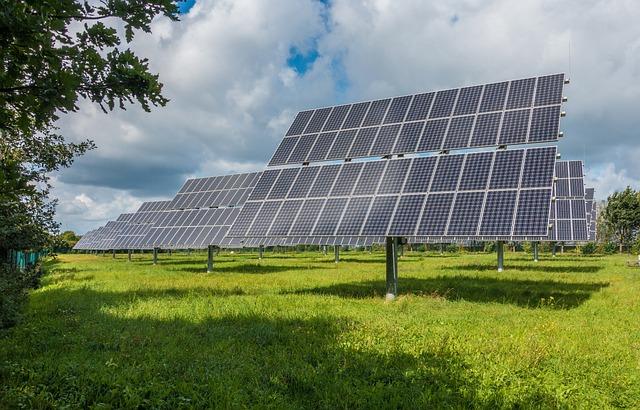
In the quest for sustainable energy solutions, solar panels have emerged as a beacon of hope, harnessing the sun’s power to illuminate our lives. As the world pivots towards greener alternatives, the choice between monocrystalline and polycrystalline panels often surfaces as a pivotal decision for both eco-conscious homeowners and large-scale energy providers. While both types of panels serve the same fundamental purpose—converting sunlight into electricity—their paths diverge significantly in terms of cost. This article delves into the nuanced , exploring the factors that influence pricing and ultimately guide consumers in their solar journey. Join us as we unravel the financial intricacies of these two solar titans, shedding light on the economic considerations that accompany the choice of harnessing the sun’s abundant energy.
Understanding Material Efficiency: Monocrystalline vs. Polycrystalline
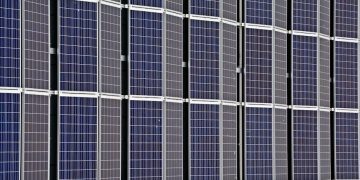
When evaluating the material efficiency of solar panels, the debate often circles around the inherent differences between monocrystalline and polycrystalline types. Monocrystalline panels are known for their high efficiency and sleek appearance, primarily due to the use of a single, pure silicon crystal. This purity, however, comes at a cost. The manufacturing process is more complex and time-consuming, resulting in higher production expenses. On the other hand, polycrystalline panels, made from multiple silicon fragments melted together, are typically less expensive to produce. This method results in a lower efficiency rate, but offers a more budget-friendly option for those looking to harness solar energy.
In considering which type of panel to invest in, it’s essential to weigh the benefits of higher efficiency against the initial financial outlay. Monocrystalline panels, with their superior efficiency, might provide greater long-term savings on energy bills, but their upfront cost can be a significant factor. Conversely, polycrystalline panels offer a more affordable entry point into solar energy, though they may require more space and produce slightly less energy per square foot. Key points to consider include:
- Budget constraints: Initial investment versus long-term savings
- Space availability: Efficiency per square foot
- Aesthetic preferences: Appearance and installation flexibility
The Lifespan Equation: Calculating Long-term Value in Solar Panels
In the realm of solar energy, discerning the true value of your investment often involves a deep dive into the lifespan and efficiency of the panels you choose. Monocrystalline panels are often touted for their higher efficiency and longevity. They are crafted from a single crystal structure, which allows for a more efficient flow of electricity, translating to a longer lifespan and higher performance in low-light conditions. However, this premium performance comes at a cost, as monocrystalline panels are generally more expensive upfront.
On the other hand, polycrystalline panels offer a more budget-friendly alternative. They are made from multiple silicon crystals, which can lead to slightly lower efficiency and a shorter lifespan compared to their monocrystalline counterparts. Yet, they present an attractive option for those looking to minimize initial costs. Key considerations when calculating the long-term value of these panels include:
- Initial Cost vs. Long-term Savings: Weighing the higher initial investment against potential energy savings over time.
- Efficiency: Understanding how each panel type performs in varying light conditions.
- Durability: Considering the lifespan and warranty of the panels to ensure longevity.
Ultimately, the choice between monocrystalline and polycrystalline panels should align with both your financial goals and energy needs, ensuring that your investment is not just cost-effective but also sustainable in the long run.
Decoding Price Tags: Initial Costs and Beyond
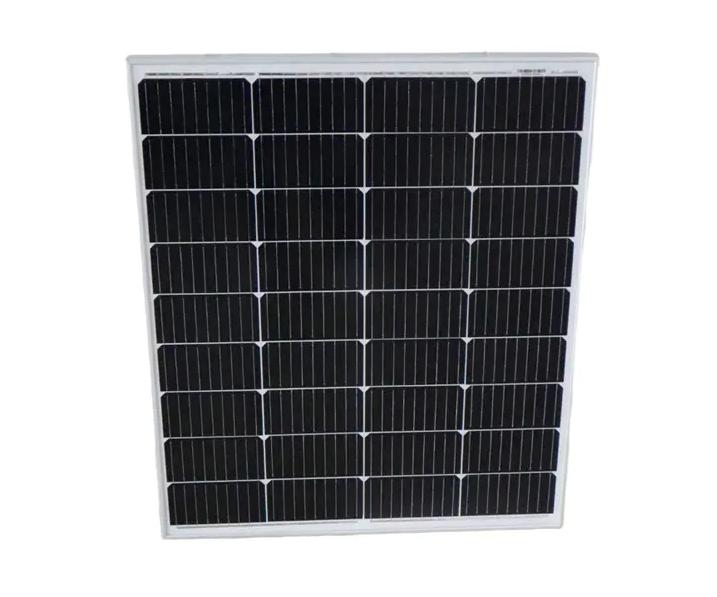
When evaluating solar panel options, it’s crucial to understand that the sticker price often tells only part of the story. Monocrystalline panels, known for their sleek appearance and higher efficiency, typically come with a higher initial cost. However, their long-term benefits can make them a worthwhile investment. On the other hand, polycrystalline panels offer a more budget-friendly entry point, making them appealing for those with immediate cost constraints. But what do these initial price tags mean for your overall expenditure?
- Efficiency and Space: Monocrystalline panels generally offer higher efficiency, meaning you may need fewer panels to meet your energy needs. This can be especially beneficial if your installation space is limited.
- Longevity and Durability: While both types of panels are designed to last, monocrystalline panels often have a longer lifespan and may come with more extended warranties, translating to potential savings in replacement costs.
- Environmental Impact: Both panel types are eco-friendly, but the manufacturing process for monocrystalline panels can be more energy-intensive, potentially influencing your decision based on sustainability priorities.
Ultimately, the choice between these solar panel types should consider both initial costs and the broader financial picture, including energy savings and panel longevity. By doing so, you can make a decision that aligns with your budgetary constraints and environmental goals.
Smart Investment: Tailoring Solar Panel Choices to Your Needs
When deciding between monocrystalline and polycrystalline solar panels, understanding the cost implications is crucial. Monocrystalline panels typically command a higher price due to their efficient energy conversion and sleek aesthetic. These panels are crafted from single-crystal silicon, allowing them to harness sunlight more effectively. However, this efficiency comes at a premium, making them a significant investment for those prioritizing long-term energy savings.
On the other hand, polycrystalline panels offer a more budget-friendly alternative. They are manufactured using multiple silicon fragments melted together, resulting in a slightly lower efficiency. Despite this, they remain a popular choice for homeowners looking to balance cost and performance. The key differences in cost between these two types of panels can be attributed to factors such as:
- Manufacturing process: Monocrystalline panels require a more complex production method.
- Efficiency levels: Higher efficiency in monocrystalline panels often translates to higher costs.
- Aesthetic preferences: Monocrystalline’s uniform look might appeal to those valuing design.
Ultimately, the decision will hinge on individual priorities, whether it’s upfront cost, efficiency, or aesthetic appeal.
To Conclude
As we draw the curtain on our exploration of the cost differences between monocrystalline and polycrystalline solar panels, it’s clear that both options offer unique advantages tailored to different needs and budgets. While monocrystalline panels boast higher efficiency and a sleeker aesthetic, they often come with a heftier price tag. On the other hand, polycrystalline panels present a more budget-friendly option, with respectable performance for those mindful of their spending. Ultimately, the choice between the two hinges on individual priorities—whether it’s maximizing energy output, minimizing upfront costs, or finding a balance between the two. As solar technology continues to evolve, keeping an eye on the shifting dynamics of cost and efficiency will empower you to make informed decisions that illuminate your path toward sustainable energy.