



















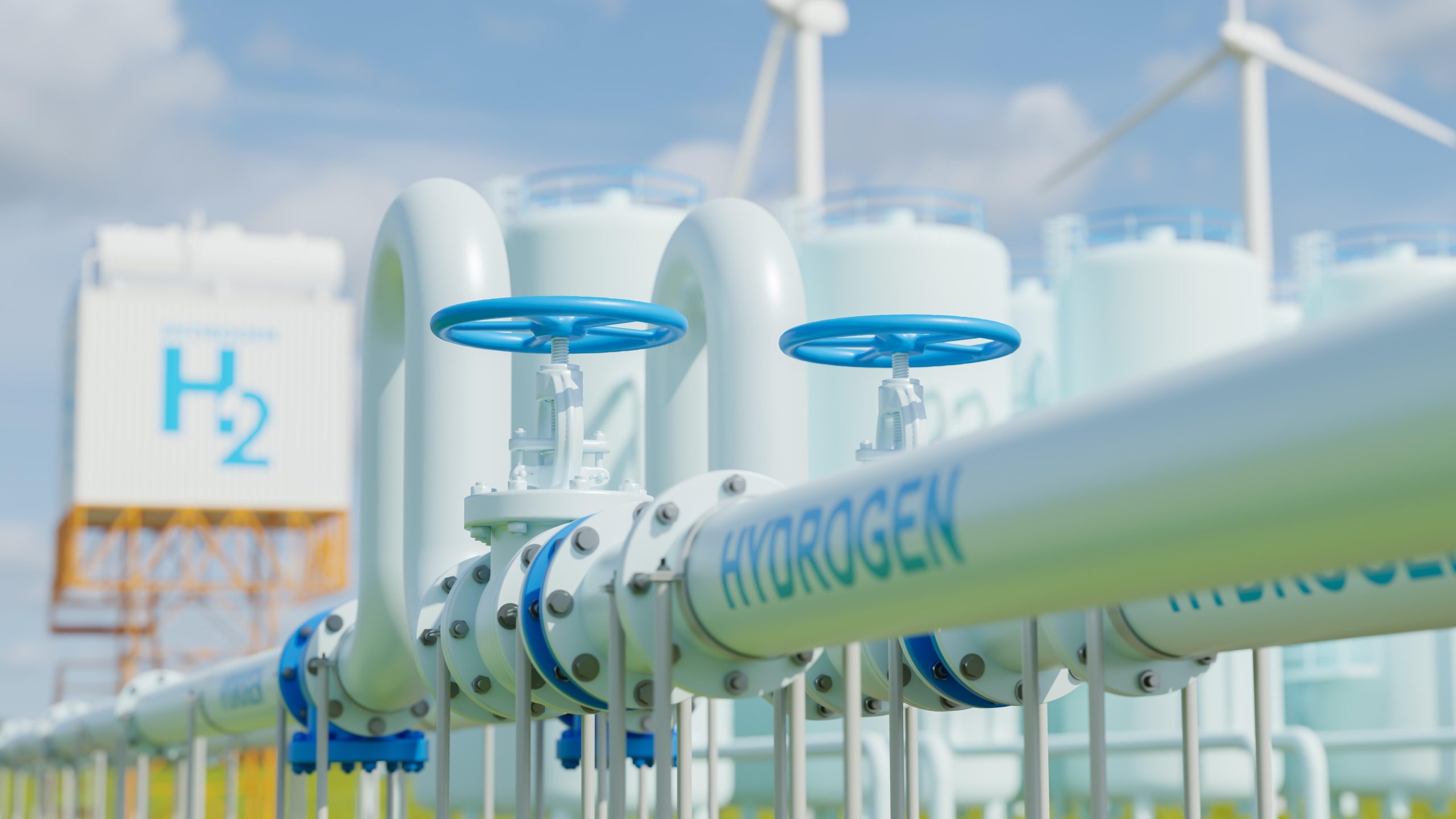
In the ever-evolving quest for sustainable energy solutions, the marriage of solar power and hydrogen production stands as a beacon of innovation and promise. As the world grapples with the urgent need to transition from fossil fuels to cleaner alternatives, solar-powered hydrogen production systems emerge as a compelling frontier in renewable energy technology. This synergy not only harnesses the sun’s abundant energy but also converts it into hydrogen—a versatile and clean fuel that could revolutionize industries and power economies. In this exploration, we delve into the intricacies of these systems, uncovering their potential to reshape our energy landscape and illuminate a path towards a more sustainable future. From cutting-edge technologies to real-world applications, join us as we journey into the heart of solar-powered hydrogen production, where science meets possibility.
Harnessing the Sun: Innovations in Solar-Powered Hydrogen Technology
In the realm of renewable energy, the fusion of solar power with hydrogen technology represents a promising frontier. This innovative approach leverages the abundant energy of the sun to produce hydrogen, a clean and versatile fuel. Solar-powered hydrogen production systems have the potential to revolutionize energy storage and distribution, offering a sustainable alternative to fossil fuels. These systems utilize photovoltaic cells to capture solar energy, which is then used to split water molecules through electrolysis, yielding hydrogen gas. This process not only harnesses the sun’s energy but also produces zero emissions, aligning with global efforts to combat climate change.
Several breakthroughs are propelling this technology forward:
- Advanced Photovoltaics: The development of highly efficient solar panels increases the amount of sunlight converted into electricity, enhancing the overall efficiency of hydrogen production.
- Innovative Electrolyzers: New designs in electrolyzers reduce energy consumption and costs, making solar-powered hydrogen systems more economically viable.
- Scalable Solutions: Modular systems allow for scalable hydrogen production, catering to both small-scale and large-scale energy needs.
- Integrated Systems: Combining solar power with existing energy grids ensures a seamless supply of clean energy, optimizing both production and distribution.
As these technologies continue to evolve, the potential for solar-powered hydrogen to transform our energy landscape becomes increasingly tangible, paving the way for a cleaner, more sustainable future.

Unveiling Efficiency: How Advanced Materials Boost Hydrogen Production
In the realm of renewable energy, the quest for more efficient hydrogen production methods is leading scientists to the frontier of advanced materials. Nanostructured catalysts are emerging as a game-changer, significantly enhancing the efficiency of water splitting processes. These catalysts, with their increased surface area and unique electronic properties, offer unprecedented rates of hydrogen generation, reducing energy consumption and improving overall system performance.
- Enhanced Surface Area: Nanostructured materials provide a larger active area for reactions, facilitating more efficient hydrogen production.
- Unique Electronic Properties: These materials allow for better charge transfer, crucial for effective hydrogen evolution reactions.
- Durability and Stability: Advanced materials exhibit enhanced stability under operational conditions, ensuring longevity and reliability of the hydrogen production systems.
Incorporating these advanced materials into solar-powered systems aligns with the sustainable vision of harnessing abundant solar energy. This synergy not only propels hydrogen production into new realms of efficiency but also underscores a commitment to cleaner, greener energy solutions. As research progresses, the integration of these materials could redefine the landscape of hydrogen energy, making it a cornerstone of future energy infrastructures.

Sustainable Synergy: Integrating Solar Solutions for Optimal Output
In the quest for a sustainable future, integrating solar energy with hydrogen production presents a promising avenue. Solar-powered hydrogen systems leverage the abundant energy from the sun to drive the electrolysis process, splitting water molecules into hydrogen and oxygen. This approach not only maximizes the utility of solar panels but also offers a cleaner, renewable method of hydrogen generation. By harnessing solar power, these systems can significantly reduce the carbon footprint associated with traditional hydrogen production, which often relies on fossil fuels.
- Efficiency Boost: Solar energy integration can enhance the efficiency of hydrogen production processes, ensuring a steady and sustainable output.
- Scalability: These systems are scalable, making them suitable for both small-scale applications and large industrial projects.
- Energy Independence: Utilizing solar power for hydrogen production can lead to greater energy independence and security.
By adopting solar-powered hydrogen production systems, industries and communities can tap into a synergy that promises not just optimal output but also a step forward in the global energy transition. The intersection of these technologies holds the potential to reshape our energy landscape, paving the way for a cleaner, more sustainable world.
Future Directions: Strategic Recommendations for Solar Hydrogen Systems
As we delve deeper into the potential of solar-powered hydrogen production, it’s crucial to chart strategic pathways that maximize efficiency and scalability. Innovative collaboration between solar and hydrogen industries can drive advancements, integrating cutting-edge technologies such as photovoltaic-thermal systems to enhance energy capture. Emphasizing research and development in this area will help in overcoming existing technological barriers, particularly those related to storage and transportation of hydrogen.
To ensure a sustainable and impactful deployment, consider the following recommendations:
- Policy Frameworks: Develop supportive regulatory environments that encourage investment and reduce financial risks.
- Infrastructure Development: Focus on creating a robust infrastructure for hydrogen distribution and refueling stations.
- Public-Private Partnerships: Foster collaborations between government bodies and private entities to leverage resources and expertise.
- Community Engagement: Engage local communities in the adoption process, ensuring transparency and addressing potential concerns.
The Way Forward
As we stand on the cusp of a renewable energy revolution, solar-powered hydrogen production systems illuminate a promising path forward. Their potential to transform our energy landscape is immense, offering a sustainable alternative to fossil fuels and a beacon of hope for a cleaner, greener future. Yet, this journey is not without its challenges. Technological advancements, economic considerations, and policy frameworks must harmonize to unlock the full potential of this innovative energy solution. As researchers, policymakers, and industry leaders continue to explore and refine these systems, the promise of solar-powered hydrogen remains a testament to human ingenuity and our relentless pursuit of a more sustainable world. In this evolving narrative, we find both inspiration and responsibility—to push boundaries, foster collaboration, and ultimately, to harness the sun’s power in our quest for a brighter tomorrow.