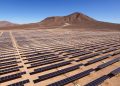









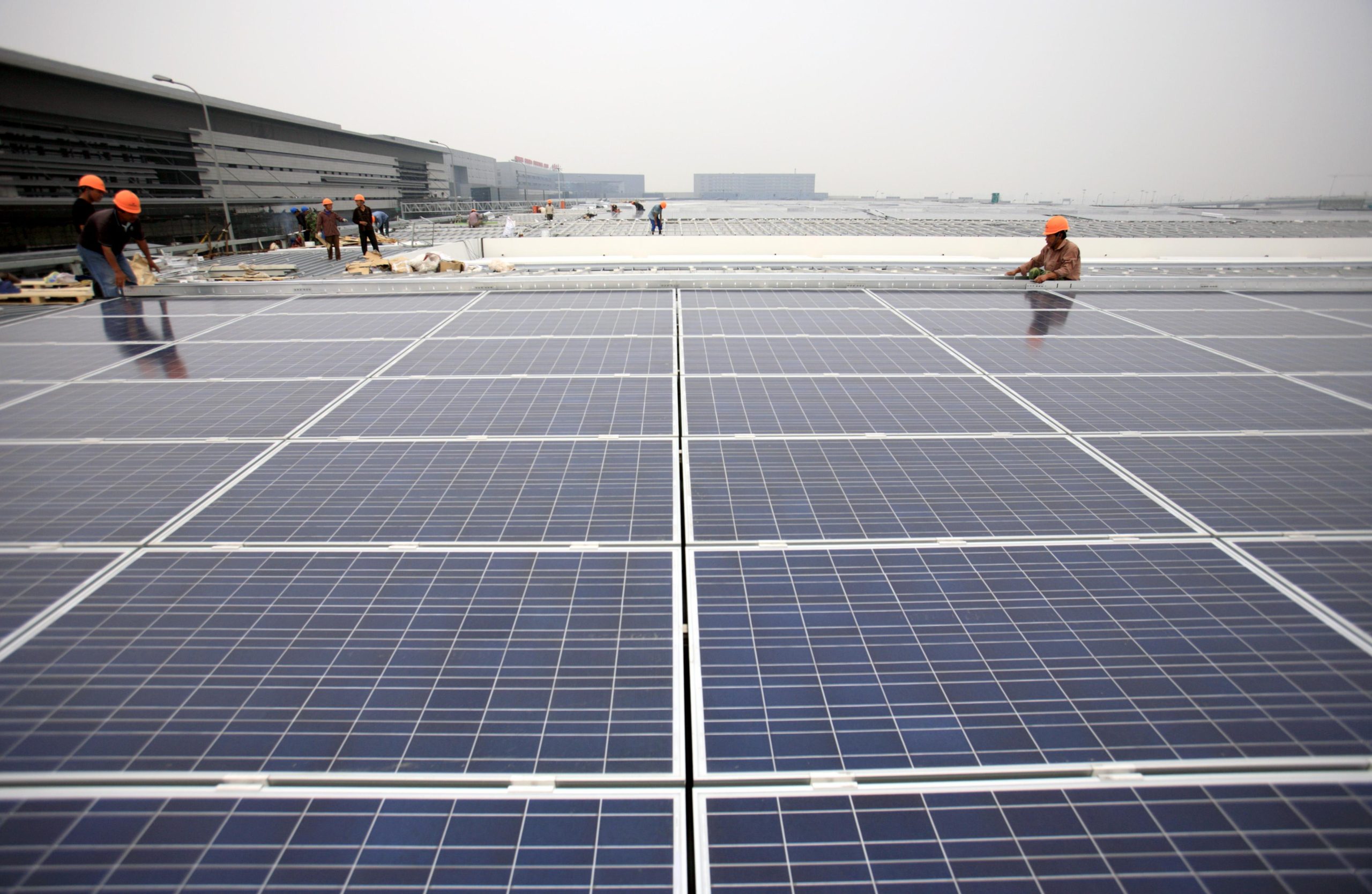
In the ever-evolving landscape of renewable energy, the sun stands as an unwavering ally, its rays offering an inexhaustible source of power. As the world increasingly turns its gaze skyward, large-scale solar panel installations have emerged as a pivotal force in the quest for sustainable energy solutions. This article delves into the innovative techniques and technologies that are revolutionizing the deployment of solar arrays on a grand scale. From the intricate choreography of logistics to the precision of engineering, we explore how these installations are harnessing the sun’s potential, transforming vast tracts of land into fields of shimmering promise. Join us as we illuminate the journey of solar energy from concept to reality, uncovering the strategies that are lighting the way to a brighter, more sustainable future.
Selecting Optimal Sites for Maximum Solar Efficiency
When embarking on a large-scale solar panel installation, identifying the right location is crucial for maximizing solar efficiency. Geographical factors play a significant role; areas with higher solar irradiance naturally yield more energy. Elevation can also affect performance, as sites at higher altitudes often receive more direct sunlight and less atmospheric interference. Furthermore, the local climate should be considered; regions with fewer cloudy days are typically more favorable.
Beyond geographical considerations, the physical characteristics of the site are equally important. Look for open spaces free from obstructions like tall buildings or trees, which can cast shadows and reduce solar exposure. Consider the slope and orientation of the land—ideally, the site should have a southern exposure in the Northern Hemisphere (or northern in the Southern Hemisphere) to capture maximum sunlight throughout the day. ensure that the soil and ground conditions can support the infrastructure without excessive additional costs for site preparation. By meticulously evaluating these factors, you can significantly enhance the efficiency and longevity of your solar installation.
Innovative Mounting Systems for Diverse Terrains
In the quest for sustainable energy solutions, the need for adaptable solar panel installation techniques has become increasingly apparent. To address this, cutting-edge mounting systems have been developed to cater to a variety of challenging terrains. These innovations are designed to ensure that solar panels can be securely and efficiently installed, regardless of the landscape. Some of the most promising systems include:
- Floating Solar Mounts: Ideal for water bodies, these systems utilize buoyant structures that allow solar panels to be installed on lakes and reservoirs, maximizing space efficiency and reducing evaporation.
- Vertical Axis Systems: Perfect for uneven or hilly terrains, these mounts enable panels to be positioned vertically, optimizing sunlight capture while minimizing land usage.
- Adjustable Tilt Frames: These versatile mounts are designed to adjust the angle of the panels based on seasonal changes, enhancing energy capture throughout the year.
With the continuous evolution of technology, these innovative solutions not only facilitate large-scale installations but also promote environmental harmony. As the industry progresses, the emphasis remains on adaptability and resilience, ensuring that solar energy can be harnessed effectively across the globe.

Ensuring Grid Compatibility and Energy Storage Solutions
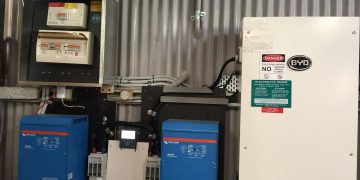
To achieve a harmonious integration of solar power into existing electricity networks, addressing the challenges of grid compatibility and energy storage is crucial. Balancing supply and demand is vital for maintaining grid stability. This can be facilitated by advanced technologies such as smart inverters and dynamic grid management systems, which enable solar installations to respond effectively to fluctuating energy demands. Additionally, implementing grid-friendly solar panel designs can minimize disruptions and ensure a smooth transition to renewable energy sources.
Innovative energy storage solutions are also key in enhancing grid compatibility. These solutions can be categorized into various approaches, including:
- Battery storage systems: Offering flexible and scalable options, batteries can store excess energy during peak production times and release it when demand increases.
- Pumped hydro storage: Utilizing the potential energy of water, this method can effectively balance energy supply and demand on a large scale.
- Thermal storage solutions: Capturing and storing heat, these systems can be integrated into solar installations to provide energy during periods of low sunlight.
These innovative strategies not only bolster grid resilience but also pave the way for a sustainable and reliable energy future.

Best Practices for Minimizing Environmental Impact
- Site Selection: Opt for previously disturbed or degraded lands to avoid disrupting pristine ecosystems. Using rooftops, parking lots, or brownfields for solar installations can minimize habitat loss and protect biodiversity.
- Efficient Land Use: Implement dual-use or agrivoltaics practices, where solar panels coexist with agricultural activities. This approach not only preserves farmland but also enhances land productivity and biodiversity.
- Sustainable Materials: Choose panels and mounting systems made from recycled or sustainably sourced materials. Prioritize suppliers who follow environmentally friendly manufacturing processes.
- Wildlife Protection: Design installations with wildlife corridors to ensure safe passage for animals. Employ bird-friendly designs to reduce collision risks, and install wildlife-friendly fencing to prevent habitat fragmentation.
- Water Management: Implement efficient water use strategies, such as rainwater harvesting or using dry cleaning methods for solar panels, to conserve water resources in arid regions.
By integrating these strategies, large-scale solar projects can significantly reduce their environmental footprint while contributing to a sustainable energy future. Collaborating with local communities and environmental experts during the planning phase ensures that solar installations harmonize with the natural landscape and benefit local ecosystems.
Future Outlook
As the sun dips below the horizon, casting its final golden rays across vast arrays of solar panels, we find ourselves standing on the precipice of a brighter future. The techniques and innovations in large-scale solar panel installation have not only transformed landscapes but also our approach to harnessing renewable energy. From the meticulous planning and engineering prowess to the sustainable practices that reduce our carbon footprint, each step in the installation process is a testament to human ingenuity and our commitment to a cleaner planet. As we continue to refine and expand these techniques, the potential for solar energy seems as boundless as the sun itself. In embracing these advancements, we not only capture sunlight but also the promise of a sustainable tomorrow, where energy is abundant, accessible, and as enduring as the star that fuels it.