

















In a world increasingly powered by renewable energy, solar systems have become a beacon of sustainability, transforming sunlight into a clean, abundant resource. Yet, as the sun dips below the horizon each evening, the challenge of storing this energy for continuous use emerges. Enter the solar battery—a device that promises to bridge the gap between day and night, harnessing excess power for later use. But like all technological advancements, the integration of solar batteries comes with its own set of considerations, not least of which is the cost. This article delves into the financial aspects of adding solar batteries to existing solar systems, exploring the balance between investment and long-term savings, and guiding readers through the economic landscape of solar storage solutions. Whether you’re a homeowner seeking energy independence or an eco-conscious investor, understanding these costs is crucial in making informed decisions about the future of your energy consumption.
Understanding the Financial Implications of Solar Battery Integration
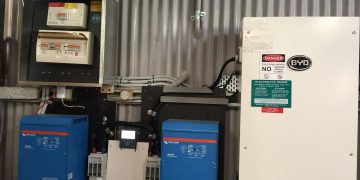
Integrating solar batteries into your existing solar setup can significantly enhance the efficiency and reliability of your energy system, but it’s crucial to understand the financial aspects involved. Upfront costs are a major consideration, as the price of solar batteries can vary widely based on capacity, brand, and technology. While lithium-ion batteries are a popular choice due to their longevity and efficiency, they often come with a higher price tag compared to other types. Installation expenses also add to the total cost, as professional installation is recommended to ensure optimal performance and safety.
On the flip side, incorporating solar batteries offers potential long-term savings and benefits, which can offset the initial investment. Here are some key financial advantages:
- Reduced electricity bills: By storing excess solar energy, you can use it during peak hours when electricity rates are higher.
- Energy independence: Minimize reliance on the grid, protecting against rising energy costs and power outages.
- Incentives and rebates: Many regions offer financial incentives for installing solar batteries, which can help reduce upfront costs.
Weighing these factors can help you make an informed decision about whether the financial investment aligns with your energy goals and budget.

Evaluating Long-term Savings Versus Initial Investment Costs
When considering the integration of solar batteries into your existing solar system, it is essential to weigh the long-term savings against the initial investment costs. At first glance, the upfront cost of solar batteries may seem daunting. However, their ability to store excess energy generated during the day can lead to substantial savings on electricity bills over time. With solar batteries, you can significantly reduce your reliance on the grid, especially during peak usage hours when electricity rates are highest. This not only provides financial benefits but also contributes to a more sustainable and resilient energy system.
Evaluating the cost-benefit balance involves understanding several key factors:
- Energy Independence: Solar batteries enable homeowners to harness and store renewable energy, offering protection against rising utility rates.
- Incentives and Rebates: Many regions offer financial incentives or rebates for installing solar storage solutions, which can offset initial expenses.
- Longevity and Maintenance: Modern solar batteries are designed for durability and require minimal maintenance, ensuring that the investment pays off over years.
As you contemplate this investment, consider both the financial and environmental impacts, making a decision that aligns with your long-term goals.
Comparing Different Types of Solar Batteries for Optimal Efficiency
When considering solar batteries for enhancing your solar system’s efficiency, it’s essential to evaluate various types to determine which aligns best with your energy needs and budget. Lithium-ion batteries are popular due to their high energy density, longer lifespan, and minimal maintenance requirements. They are ideal for homeowners looking for a reliable and efficient solution, though they often come at a higher initial cost. On the other hand, lead-acid batteries offer a more budget-friendly option, albeit with a shorter lifespan and more frequent maintenance. These batteries are well-suited for off-grid applications where cost is a critical factor.
- Flow batteries: Known for their scalability and longevity, making them suitable for large-scale applications.
- Sodium-ion batteries: An emerging technology promising a balance between cost and efficiency.
- Nickel-cadmium batteries: Rugged and reliable, often used in industrial settings but less common for residential use.
Each type of battery comes with its unique set of advantages and potential drawbacks. The choice largely depends on your specific energy requirements, environmental conditions, and long-term financial goals. By understanding these differences, you can make an informed decision that optimizes both the efficiency and cost-effectiveness of your solar energy system.

Strategic Tips for Reducing Costs When Upgrading Your Solar System
Upgrading your solar system to include batteries can be a significant investment, but there are strategic ways to manage and reduce costs effectively. Start by conducting thorough research on available battery technologies and prices. Consider opting for used or refurbished batteries that come with warranties, as they can provide substantial savings without compromising on reliability. Additionally, timing your purchase during sales events or off-peak seasons can help you snag a better deal.
- Compare financing options: Explore various financing plans, such as leasing or loans, which might offer lower upfront costs and more manageable monthly payments.
- Evaluate your energy needs: Tailor your battery capacity to your actual energy consumption rather than over-investing in excessive storage that may not be utilized.
- Look for incentives: Investigate local, state, and federal incentives that can offset initial expenses, such as tax credits or rebates specifically for solar battery installations.
Moreover, consult with multiple installers to get competitive quotes, and don’t hesitate to negotiate the terms to ensure you get the best value for your investment. By being strategic and informed, you can enhance your solar setup economically and efficiently.
The Way Forward
In the ever-evolving landscape of renewable energy, the integration of solar batteries into solar systems emerges as a pivotal decision for homeowners and businesses alike. While the initial costs may seem daunting, the potential for long-term savings, energy independence, and environmental benefits paints a compelling picture. As the sun sets on this exploration of costs, we find ourselves at the crossroads of innovation and investment. Whether driven by the allure of sustainability or the promise of future savings, the choice to add solar batteries is not merely a financial consideration, but a step toward a brighter, more resilient future. The journey is yours to continue, guided by the power of the sun and the promise of tomorrow.