









In an era where the sun not only lights our days but also powers our homes, harnessing solar energy has become more accessible and essential than ever. As more homeowners turn to this renewable resource, the challenge of sizing a solar system to meet specific energy needs becomes a vital consideration. How does one navigate the myriad of factors to ensure their home is efficiently and sustainably powered by the sun? This article illuminates the path to determining the perfect solar system size for your unique household demands, balancing technological possibilities with practical necessities. Whether you’re driven by environmental stewardship, energy independence, or economic savings, understanding how to tailor a solar solution to your home is a bright step toward a more sustainable future. Join us as we delve into the intricacies of solar sizing, unraveling the complexities to empower your journey toward harnessing the sun’s limitless potential.
Assessing Your Homes Energy Consumption
Understanding your household’s energy consumption is crucial when considering a solar system. Start by examining your utility bills over the past year to identify your average monthly energy use. This can typically be found in kilowatt-hours (kWh) on your bill. Knowing this number helps in determining the size of the solar system you need. Look for patterns in your energy usage, such as seasonal fluctuations or increased consumption during specific months.
To gain a more detailed insight, consider the following steps:
- Identify Major Energy Consumers: Appliances like HVAC systems, water heaters, and refrigerators can consume a significant portion of your energy. Note these high-energy devices and their usage patterns.
- Conduct an Energy Audit: Hiring a professional to perform an energy audit can provide a comprehensive analysis of your home’s energy use, highlighting inefficiencies and suggesting improvements.
- Monitor Real-Time Usage: Utilize smart meters or energy monitoring systems to track your consumption in real-time, offering a clearer picture of when and how you use energy.
By taking these steps, you’ll have a clearer understanding of your energy needs, ensuring your solar system is appropriately sized to meet them.
Exploring Solar System Components and Capacities
When determining the right size for your solar system, it’s essential to consider several factors to ensure efficiency and cost-effectiveness. Assessing your household’s energy consumption is the first step. Analyze your electricity bills over the past year to identify your average monthly and annual energy usage. This data serves as a foundation to estimate the capacity required for your solar installation. Additionally, factor in any future changes in consumption, such as purchasing electric vehicles or adding new appliances.
Another crucial aspect is understanding the components of a solar system. A typical setup includes:
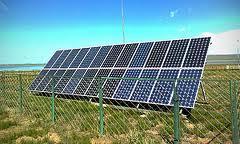
- Solar Panels: Capture sunlight and convert it into electricity.
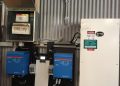
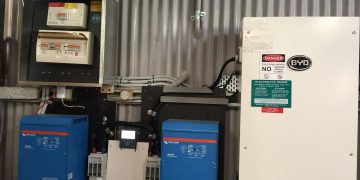
- Inverter: Converts the direct current (DC) generated by the panels into alternating current (AC) used by household appliances.
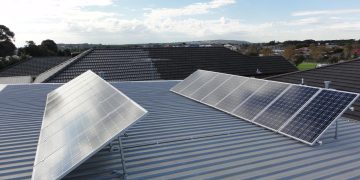
- Mounting System: Secures the panels to your roof or ground.
- Battery Storage: Optional, but valuable for storing excess energy for use during cloudy days or nighttime.
- Monitoring System: Tracks energy production and consumption for optimal performance.
Choosing the right combination and capacity of these components tailored to your home’s specific needs will maximize your investment and ensure sustainable energy independence.
Choosing the Right Solar Panels for Maximum Efficiency
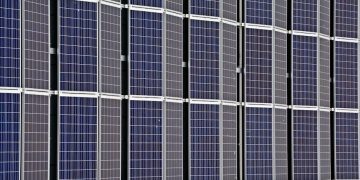
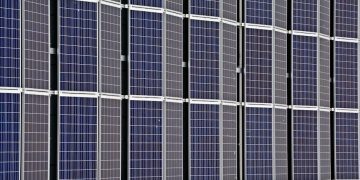
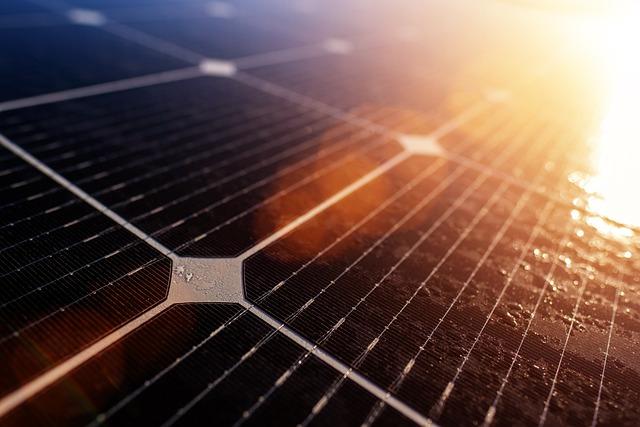
When aiming for maximum efficiency in your solar panel system, several key factors should be considered. The type of solar panel plays a crucial role. Monocrystalline panels are known for their high efficiency and sleek appearance, making them a popular choice for residential installations. Alternatively, polycrystalline panels offer a cost-effective solution with slightly lower efficiency. For those prioritizing aesthetics and flexibility, thin-film panels could be an ideal choice, though they typically require more space.
- Durability: Opt for panels with a robust frame and high weather resistance to ensure longevity.
- Efficiency Rating: Check the efficiency percentage; higher numbers mean more energy from the same amount of sunlight.
- Warranty: A longer warranty can offer peace of mind and indicates manufacturer confidence in the product.
- Temperature Coefficient: Panels with a low-temperature coefficient are less affected by heat, maintaining efficiency on hot days.
Consider the available roof space and sunlight exposure of your home when selecting panels. More efficient panels might be necessary if space is limited or if shading is a concern. By evaluating these aspects, you can ensure that your solar panels provide optimal performance and meet your energy needs effectively.

Budgeting and Financing Your Solar Investment
When considering the financial aspects of installing a solar system, it’s crucial to align your budget with your energy requirements. Start by evaluating your current energy consumption to determine the size of the system you’ll need. This process involves analyzing past electricity bills to identify your average monthly usage in kilowatt-hours (kWh). Once you have this baseline, you can explore options to tailor the system to your needs, potentially reducing the size—and cost—of the system by implementing energy-saving measures.
There are several financial avenues to explore when investing in solar energy:
- Government Incentives: Look into federal and state tax credits or rebates, which can significantly lower the initial cost.
- Solar Loans: Many financial institutions offer loans specifically for solar installations, allowing you to spread the cost over time.
- Leasing Options: Consider leasing a system if upfront costs are prohibitive, though this may affect long-term savings.
- Power Purchase Agreements (PPAs): A PPA might be suitable if you’re looking to pay only for the power you use without owning the system.
Each of these options can influence the total investment and potential savings, so weigh them carefully against your financial goals and energy needs.
In Summary
As we draw the curtains on our exploration of sizing a solar system for your home’s energy needs, it’s clear that harnessing the sun’s power is more than just a step toward sustainability—it’s a personal journey toward energy independence. With each calculation and consideration, you are crafting a bespoke solution tailored to your unique lifestyle and aspirations. By understanding your energy consumption, evaluating your roof’s potential, and selecting the right components, you are not only investing in your home but also in a brighter, cleaner future. So, as you stand at the threshold of this solar transformation, remember that every ray of sunshine captured is a step closer to a world powered by possibilities. Here’s to illuminating your path with the light of tomorrow, today.