
















In the ever-evolving tapestry of urban landscapes, a new silhouette is emerging—one that gleams with the promise of sustainability and innovation. Welcome to the era of solar skyscrapers, where towering giants of steel and glass are reimagined as beacons of renewable energy. These architectural marvels, once mere symbols of corporate ambition, are now poised to redefine our cities’ skylines and energy footprints. As we stand on the cusp of a green revolution, solar skyscrapers offer a glimpse into a future where our tallest structures do more than just touch the sky—they harness the sun’s power, weaving a seamless blend of form, function, and environmental stewardship. Join us as we explore this fascinating frontier, where technology meets imagination, and the future of urban living begins to take shape.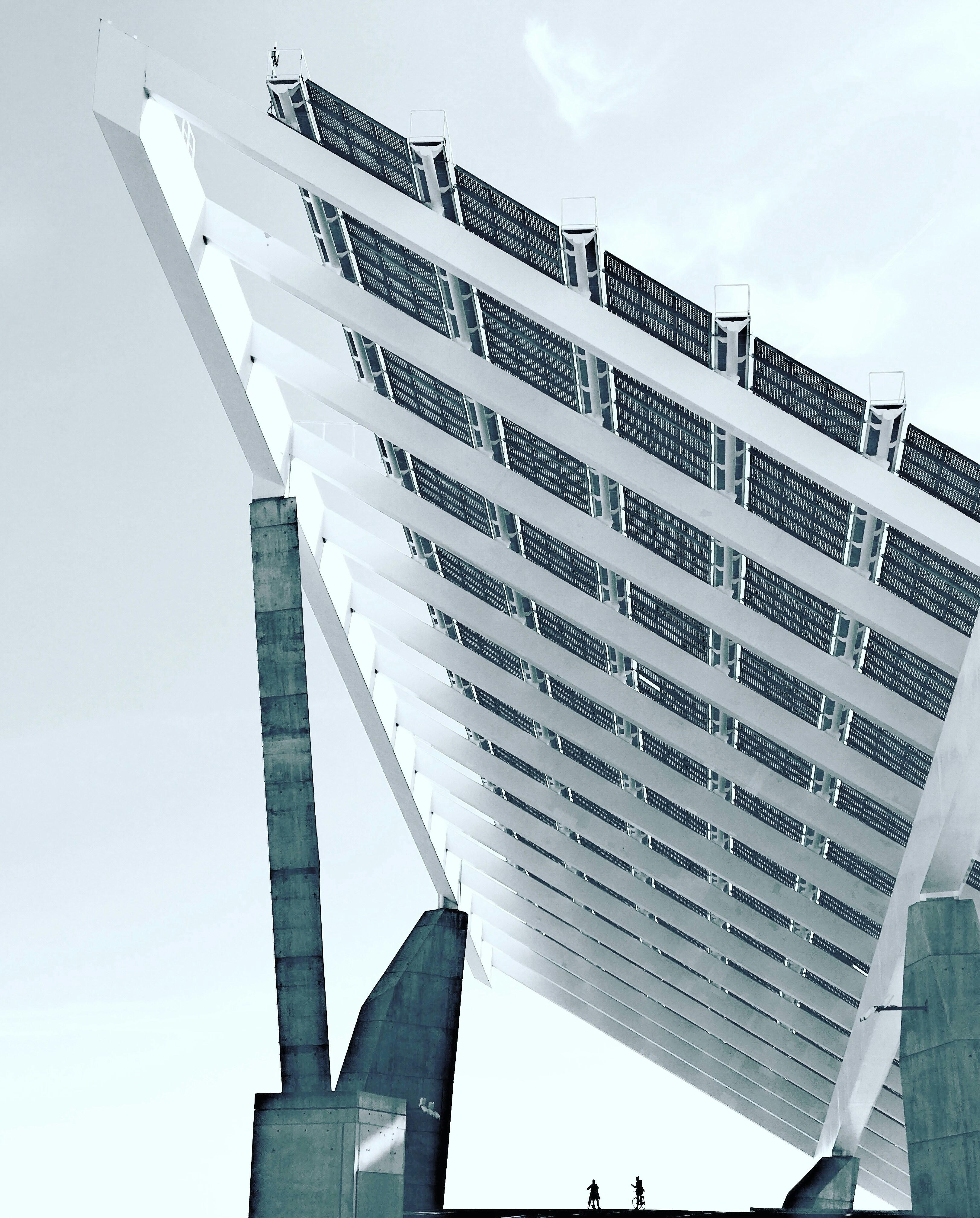
Harnessing Vertical Power the Architectural Marvels of Tomorrow
Imagine a cityscape where towering structures reach for the skies, not just with ambition but with purpose. These solar skyscrapers are designed to be self-sufficient energy powerhouses, harnessing the sun’s abundant energy through their innovative facades. Architects and engineers are pushing the boundaries of what’s possible, integrating photovoltaic panels seamlessly into the building materials. This transformation turns every square inch of a skyscraper into an energy-generating surface, optimizing the urban footprint and drastically reducing reliance on traditional power sources.
Key features of these futuristic marvels include:
- Dynamic solar panel designs that adjust to the sun’s position for maximum efficiency.
- Integrated energy storage systems to ensure a continuous power supply, even on cloudy days.
- Smart energy management systems that distribute energy intelligently throughout the building.
These innovations are not just about sustainability but also about redefining how urban spaces interact with the environment. As these vertical powerhouses become a reality, they promise to reshape our cities, creating a harmonious balance between nature and urbanization.
Integrating Photovoltaic Technology Designing Energy-Efficient High-Rises
The fusion of photovoltaic technology with architectural innovation is reshaping the skyline of urban landscapes. As cities strive to reduce their carbon footprint, the construction of energy-efficient high-rises becomes imperative. These vertical marvels are no longer just feats of engineering but are now evolving into self-sustaining powerhouses, capable of harnessing the sun’s energy to meet their own electricity demands. The design of these structures requires a harmonious blend of aesthetics and functionality, where every surface becomes an opportunity to capture solar energy.
- Facade Integration: Advanced solar panels are seamlessly incorporated into building facades, transforming them into dynamic energy-generating surfaces.
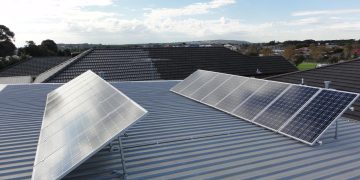
- Rooftop Solutions: Utilizing expansive rooftops with high-efficiency solar modules to maximize energy capture.
- Innovative Materials: Employing cutting-edge photovoltaic materials that offer flexibility and transparency, allowing for greater design freedom.
These innovations not only contribute to reducing operational costs but also align with global sustainability goals. The architectural community is now tasked with pushing the boundaries of design, ensuring that the skyscrapers of tomorrow are not just tall but also smart, integrating technology that respects and preserves the environment.
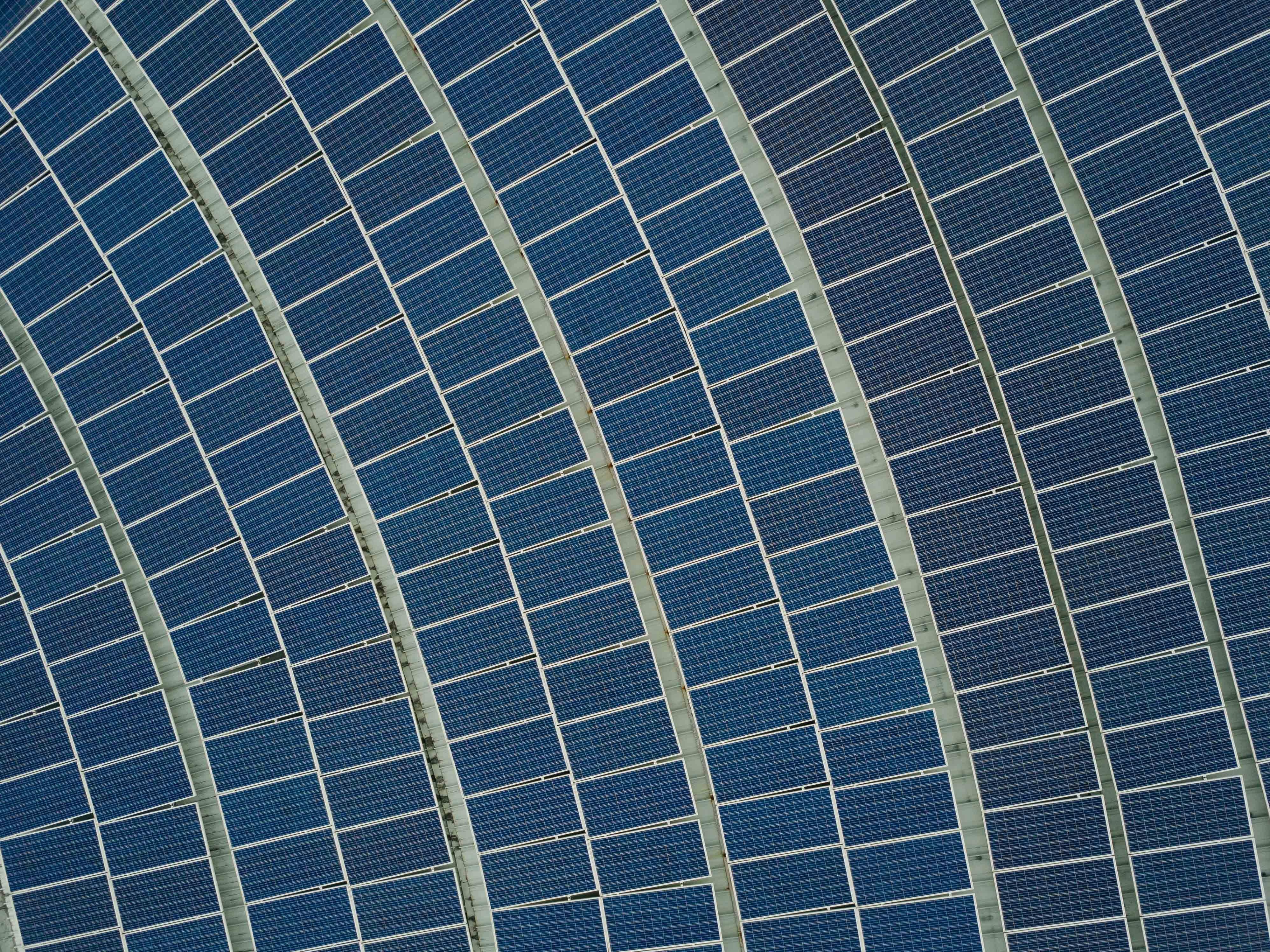
Balancing Aesthetics and Functionality in Solar-Powered Structures
As the world gravitates towards sustainable architecture, the challenge lies in merging aesthetic appeal with functional efficiency in solar-powered structures. Architects and engineers are now tasked with designing skyscrapers that are not only energy-efficient but also visually striking. This delicate balance is achieved through innovative design techniques and cutting-edge technology.
- Innovative Facades: The use of photovoltaic panels that seamlessly integrate into building facades allows for a sleek, modern look without compromising on energy capture.
- Adaptive Design: Structures that adapt to their environment, such as rotating facades or adjustable solar panels, ensure optimal energy absorption while maintaining architectural beauty.
- Material Harmony: Incorporating materials like glass and steel in harmony with solar technology creates a futuristic aesthetic that aligns with the green vision.
By embracing these strategies, solar skyscrapers not only contribute to reducing carbon footprints but also redefine urban landscapes, proving that sustainability and style can coexist. This harmonious blend sets a new benchmark for future urban developments.

Strategic Policy Recommendations for Urban Solar Implementation
To foster the development of solar skyscrapers, urban planners and policymakers must adopt a forward-thinking approach that emphasizes sustainability and innovation. Integrating solar technology into urban planning can be achieved by crafting policies that encourage developers to incorporate photovoltaic systems into their building designs. These policies could include tax incentives for solar adoption, streamlined permitting processes, and grants for research into advanced solar technologies. Additionally, city councils should collaborate with architects and engineers to establish building codes that require a minimum percentage of solar energy integration in new constructions.
- Community Engagement: Initiate public awareness campaigns to highlight the benefits of solar energy and garner community support.
- Financial Incentives: Offer subsidies or rebates for retrofitting existing structures with solar panels.
- Partnerships: Form alliances with tech companies to explore cutting-edge solar innovations.
- Infrastructure Investment: Allocate funds for the development of smart grids to optimize solar energy distribution.
Concluding Remarks
As the sun sets on our exploration of solar skyscrapers, the horizon is illuminated with the promise of a future where urban landscapes harmonize with the natural world. These towering giants, clad in gleaming photovoltaic panels, stand as testaments to human ingenuity and the relentless pursuit of sustainable progress. As we gaze into this future, the vision of cities powered by the very light that nurtures life on Earth becomes ever clearer. While challenges remain, the path is lit with potential, inviting architects, engineers, and dreamers alike to rise to the occasion. In this dance between innovation and environment, solar skyscrapers offer not just a glimpse into what could be, but a guiding beacon towards a brighter, more sustainable tomorrow.