








In the quest for a more sustainable future, solar energy stands as a beacon of hope, offering a clean and renewable power source that promises to reshape our energy landscape. As more homeowners and businesses embrace this sunny revolution, a pivotal decision awaits: choosing between ground-mounted and roof-mounted solar panels. Each option presents its own set of advantages and considerations, akin to selecting between two distinct paths that lead to the same destination. This article delves into the nuances of both approaches, guiding you through the labyrinth of choices to help you determine the ideal solar solution for your needs. Whether you’re drawn to the sleek integration of roof-mounted panels or the flexibility of ground installations, understanding the unique characteristics of each can illuminate the path to a greener tomorrow.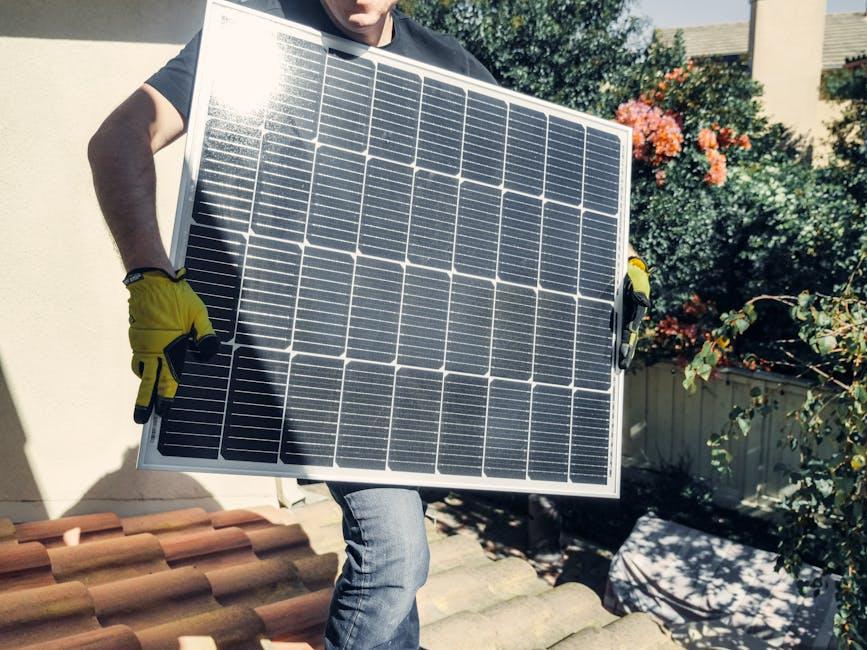
Evaluating Your Space and Sunlight Needs
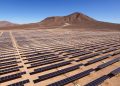
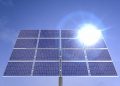
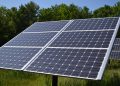
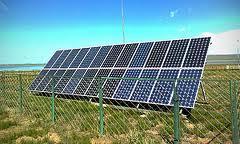
When determining the optimal setup for your solar panel installation, understanding your available space and the amount of sunlight your property receives is crucial. Ground-mounted solar panels require a significant amount of open land, making them ideal for rural or suburban areas with expansive yards. These systems offer flexibility in panel orientation, allowing you to optimize the angle and direction to capture the maximum sunlight throughout the year.
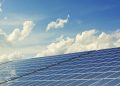
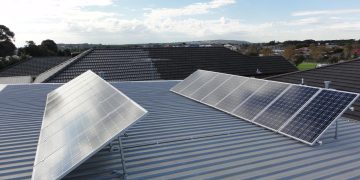
On the other hand, roof-mounted systems are often the go-to choice for urban dwellers or those with limited yard space. They capitalize on the existing structure of your home, offering a seamless integration that can save on installation costs. Consider the following when :
- Roof Condition: Ensure your roof is in good condition and can support the additional weight of the panels.
- Sunlight Exposure: Assess any potential obstructions like trees or buildings that might cast shadows on your panels.
- Aesthetic Preferences: Decide whether you prefer the panels to be visible or discreetly installed.

Installation Costs and Financial Considerations
When evaluating solar panel options, one critical factor is the installation costs and associated financial considerations. Ground-mounted systems often entail higher initial installation costs due to the need for additional structures, supports, and potentially more complex wiring. However, they offer flexibility in orientation and maintenance accessibility, which can lead to increased efficiency and energy production over time. Conversely, roof-mounted panels typically present lower upfront costs as they utilize the existing structure of your home, reducing the need for extra materials and labor. Yet, they might require additional considerations for roof integrity and future repairs.
From a financial standpoint, consider the following aspects:
- Available incentives: Investigate local, state, and federal incentives or tax credits that might offset initial costs.
- Maintenance expenses: Ground-mounted systems may incur higher maintenance costs due to exposure and potential obstructions, whereas roof-mounted panels might require less frequent upkeep.
- Financing options: Explore different financing routes such as loans, leases, or power purchase agreements (PPAs) to determine what aligns best with your budget and long-term goals.
- Return on investment: Analyze the potential energy savings over time to understand the payback period for each type of installation.
Ultimately, aligning your choice with both your immediate budget and long-term financial objectives will ensure that your investment in solar energy is both practical and rewarding.
Maintenance and Longevity of Solar Systems
Ensuring the longevity of your solar system is a crucial factor when deciding between ground-mounted and roof-mounted options. Both types require regular maintenance to function optimally and extend their lifespan. Here are some key considerations:
- Accessibility: Ground-mounted panels are generally easier to access for cleaning and repairs, making routine maintenance less cumbersome. Roof-mounted systems, while less accessible, can be fitted with cleaning aids or automated systems to mitigate this drawback.
- Durability: Roof-mounted panels benefit from being elevated, which can protect them from ground-level debris and minor flooding. Conversely, ground-mounted systems may be more susceptible to such risks but often feature sturdier frames to counteract potential damage.
- Ventilation: Proper airflow around the panels can significantly impact their efficiency and longevity. Ground-mounted systems typically have better ventilation, while roof-mounted panels may require specific installation techniques to ensure adequate air circulation.
To optimize the lifespan of either system, it’s vital to schedule regular inspections, promptly address any wear or damage, and keep the panels clean of dust and debris. By taking these steps, you can maximize the efficiency and durability of your chosen solar solution.
Environmental Impact and Aesthetic Preferences
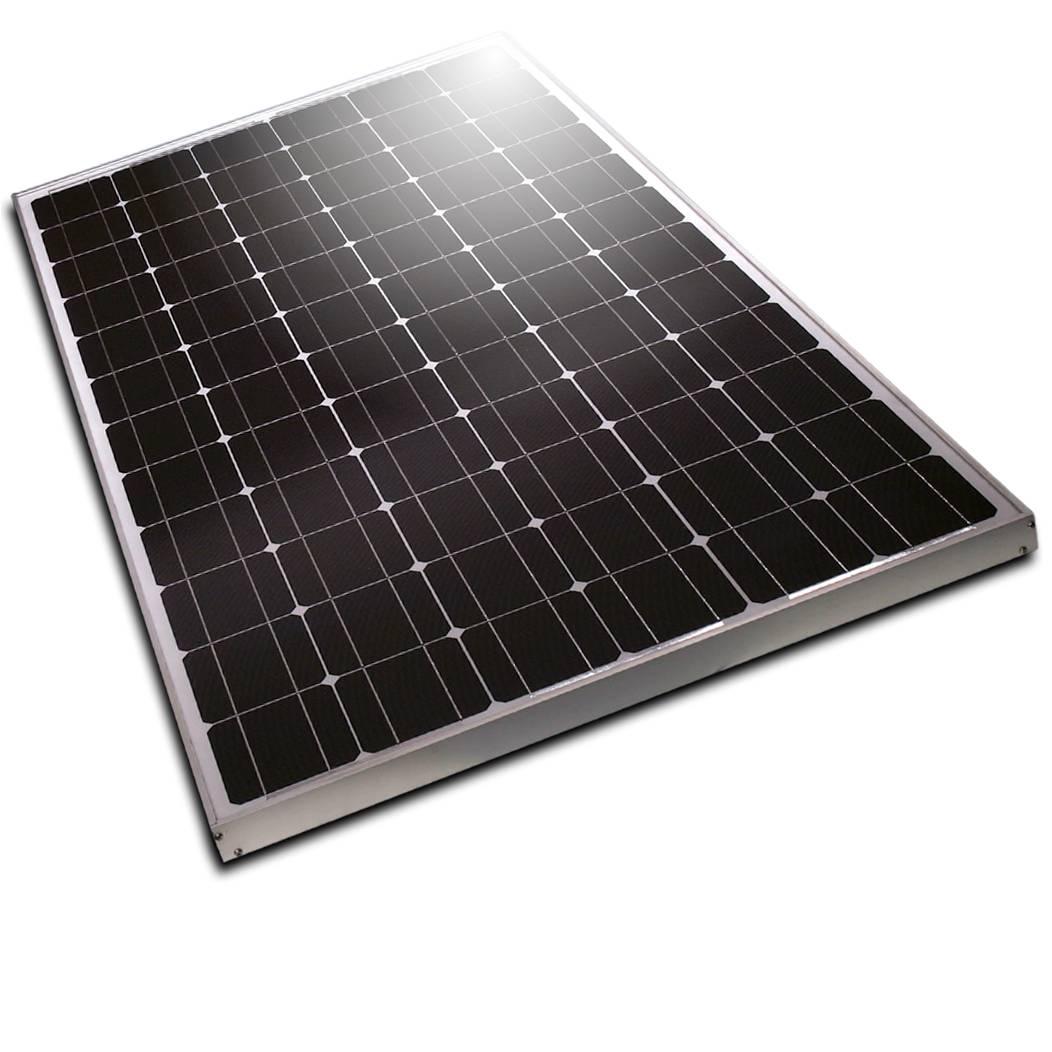
When contemplating the choice between ground-mounted and roof-mounted solar panels, the environmental impact and aesthetic preferences can significantly influence your decision. Ground-mounted systems offer the flexibility of optimal placement for maximum sun exposure, which can lead to higher energy efficiency and a reduced carbon footprint. However, they require more land and may disrupt local ecosystems, necessitating careful consideration of the surrounding environment.
On the other hand, roof-mounted solar panels present a more discreet option that can blend seamlessly with your home’s architecture. This option is particularly appealing for those who prioritize preserving their property’s visual appeal. Yet, this comes with the caveat of potential limitations in panel placement due to roof angles and available space. When evaluating these options, consider the following factors:
- Visual harmony with existing structures
- Impact on local wildlife and vegetation
- Long-term energy yield and efficiency
- Maintenance accessibility and costs
Balancing these elements will help you make a well-informed decision that aligns with both your environmental ethos and aesthetic vision.
Closing Remarks
In the quest for sustainable energy solutions, choosing between ground-mounted and roof-mounted solar panels is a pivotal decision that can shape the future of your energy consumption. As the sun casts its generous rays, both options offer unique pathways to harnessing its power, each with its own set of advantages and considerations.
Whether you envision a sleek array atop your roof or a sprawling installation grounded in your garden, your choice will echo your energy needs, aesthetic preferences, and environmental aspirations. Ground-mounted panels stand as sentinels of flexibility and accessibility, while roof-mounted systems epitomize space efficiency and integration.
the decision lies in balancing practicality with possibility, functionality with flair. With this guide in hand, you are equipped to make an informed choice, paving the way toward a more sustainable and energy-efficient future. As you step into this new chapter of solar empowerment, may your decision illuminate not just your home, but also the path toward a brighter, greener tomorrow.