







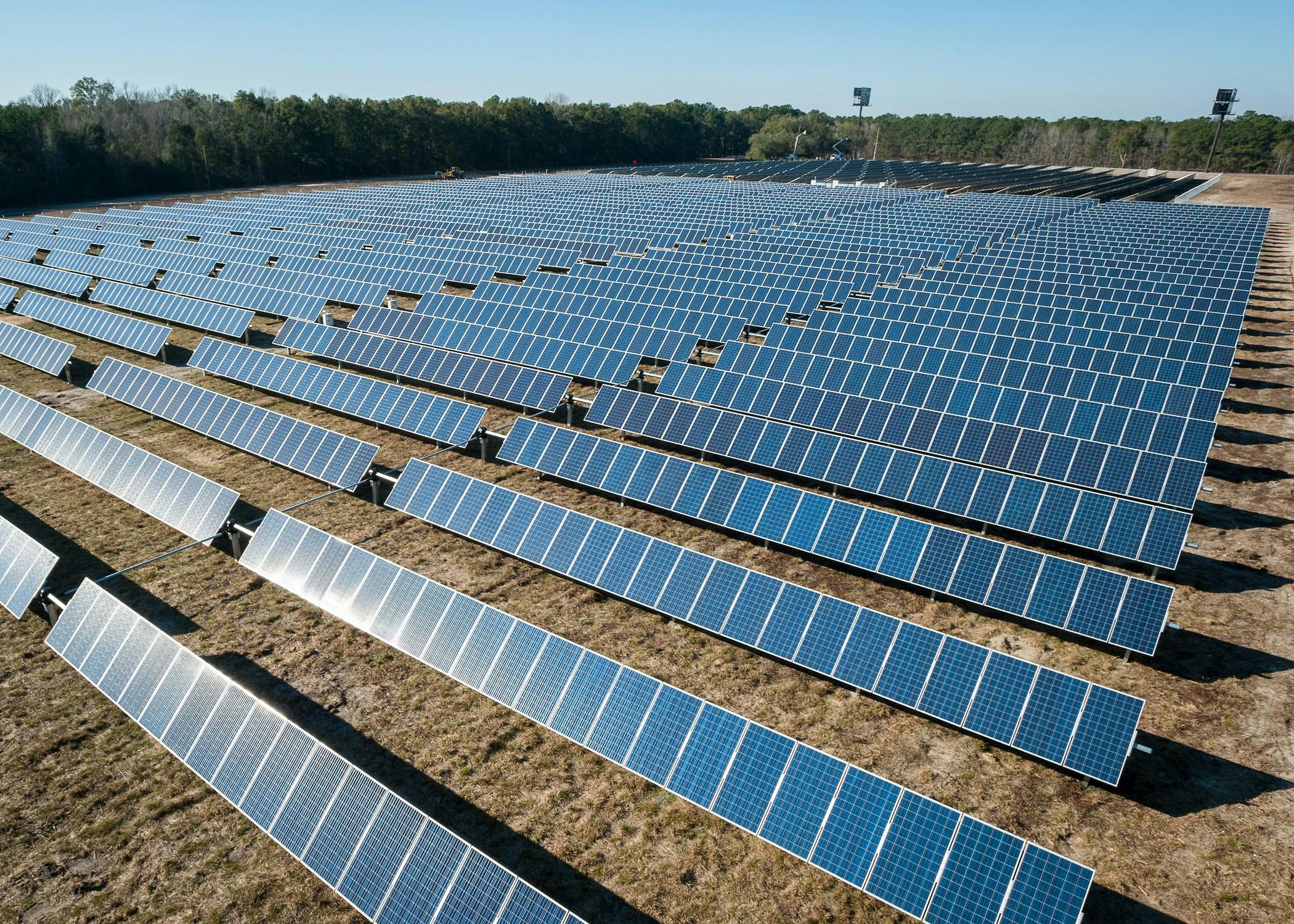
In the ever-evolving landscape of renewable energy, solar panels have long been hailed as the beacon of a sustainable future, capturing the sun’s rays to power our world with seemingly limitless potential. Yet, as technology advances at an unprecedented pace, whispers of obsolescence have begun to ripple through the industry. Are solar panels becoming outdated faster than anticipated? This article delves into the intricate dance between innovation and longevity, exploring whether these sun-harvesting marvels are being eclipsed by newer, more efficient alternatives. Join us as we navigate the crossroads of progress and sustainability, examining the forces that might propel solar panels into the annals of history sooner than we ever imagined.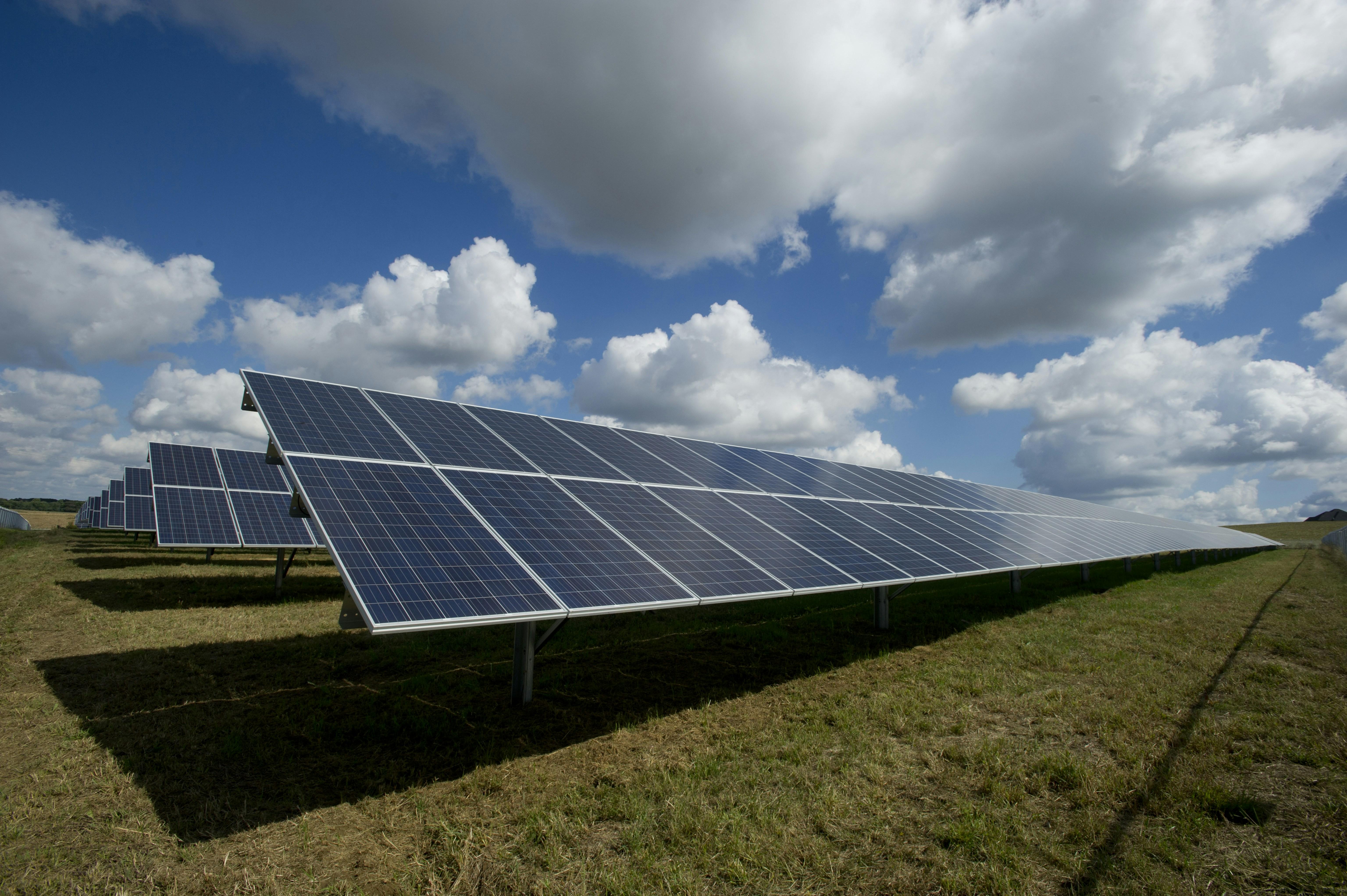
Evolving Solar Technologies and Their Impact on Longevity
The solar industry is witnessing a rapid transformation with the advent of innovative technologies, challenging the lifespan and relevance of traditional solar panels. As new materials and designs emerge, efficiency and durability are being pushed to unprecedented levels, raising questions about the longevity of existing installations. Notably, advancements such as bifacial panels, perovskite solar cells, and smart solar tracking systems are setting new benchmarks. These innovations promise not only increased energy output but also enhanced resistance to environmental wear and tear, potentially outpacing the aging process of older technologies.
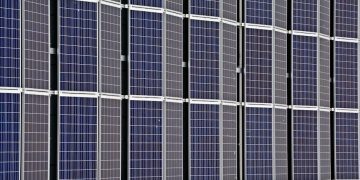
- Bifacial Panels: Capture sunlight from both sides, significantly boosting energy yield.
- Perovskite Cells: Offer a cost-effective alternative with higher conversion efficiency and flexible applications.
- Smart Solar Tracking: Optimizes the angle of solar panels to follow the sun, maximizing exposure and efficiency.
With these breakthroughs, solar technology is evolving faster than anticipated, suggesting that current solar panel installations might need updates sooner than initially expected. This shift challenges consumers and businesses alike to weigh the benefits of adopting new technologies against the longevity of their existing systems.
Assessing the Lifespan of Current Solar Panel Models
In today’s rapidly evolving energy landscape, understanding the longevity of solar panel models is crucial for both consumers and industry experts. Current solar panel technologies boast an average lifespan of 25 to 30 years. However, various factors can influence this timeframe, potentially making panels seem outdated sooner than expected. Key considerations include:
- Technological advancements: As new technologies emerge, older models may become less efficient or economically viable.
- Environmental impacts: Harsh weather conditions can accelerate wear and tear, reducing the functional lifespan.
- Maintenance practices: Regular cleaning and timely repairs can significantly extend the operational life of solar panels.
While the initial investment in solar panels is substantial, it’s essential to weigh these factors against potential energy savings and environmental benefits. As the renewable energy sector continues to innovate, staying informed about the latest developments is vital for making sustainable choices.
Innovative Solutions to Extend Solar Panel Usability
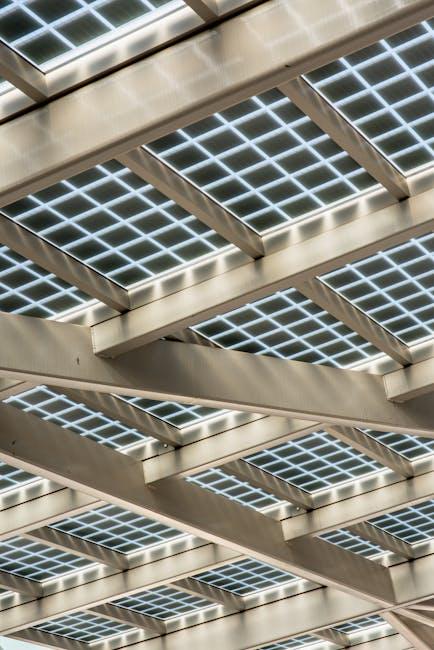
As the quest for sustainable energy continues to evolve, innovative approaches are being developed to enhance the longevity and efficiency of solar panels. These advancements not only aim to extend the life span of existing panels but also improve their performance, ensuring they remain a viable energy source for years to come.
- Smart Coatings: New nanotechnology-based coatings are being applied to solar panels to minimize dust accumulation and improve water resistance, thereby reducing maintenance costs and boosting efficiency.
- Recyclable Materials: The integration of recyclable materials in the manufacturing process is gaining momentum, allowing panels to be more easily recycled at the end of their life cycle, minimizing waste.
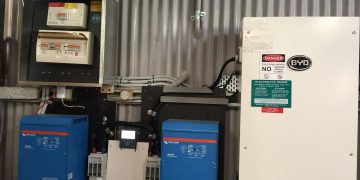
- Advanced Inverters: The use of intelligent inverters that optimize energy conversion and adapt to changing environmental conditions can significantly enhance the overall performance of solar systems.
- Energy Storage Solutions: Pairing solar panels with cutting-edge battery technologies ensures a steady energy supply, even when the sun isn’t shining, thus maximizing usability.
Through these pioneering solutions, the solar industry is tackling obsolescence head-on, ensuring that solar panels remain a cornerstone of renewable energy strategies well into the future.
Recommendations for Future-Proofing Solar Investments
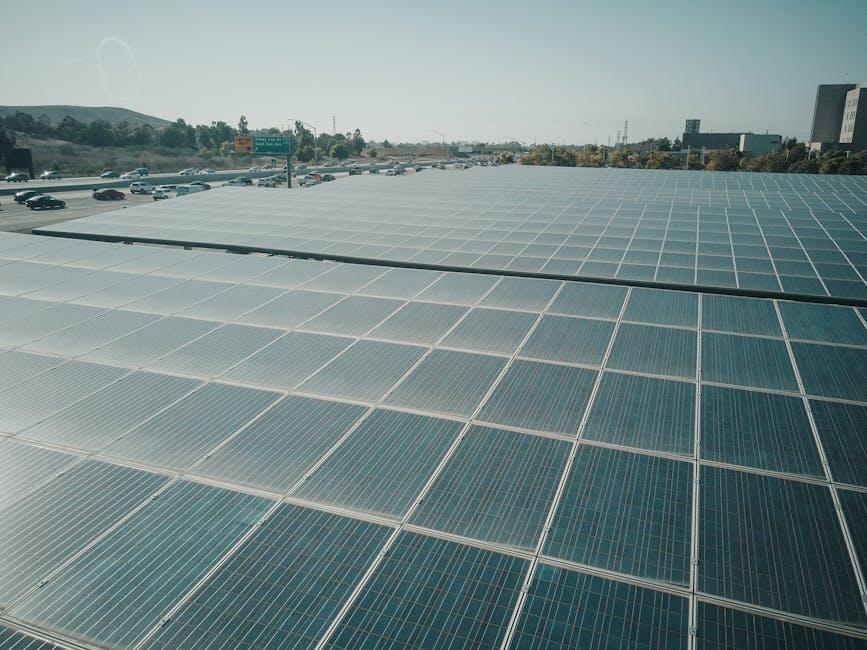
In the rapidly evolving landscape of solar technology, safeguarding your investment requires strategic foresight and adaptability. To ensure your solar panels remain valuable assets over time, consider these key approaches:
- Choose High-Quality Panels: Invest in panels from reputable manufacturers known for their durability and efficiency. Quality often translates into longevity, offering better performance and reduced maintenance costs over time.
- Stay Updated on Technological Advances: Regularly monitor industry trends and innovations. This knowledge will help you identify potential upgrades or new technologies that can enhance your system’s efficiency and capacity.
- Invest in Scalable Systems: Opt for systems that allow for expansion or integration with emerging technologies, such as battery storage solutions or smart home energy management systems, to maximize your energy independence and flexibility.
By implementing these strategies, you can mitigate the risk of obsolescence and ensure your solar investment remains resilient against the backdrop of technological progress.
To Wrap It Up
As we conclude this exploration into the lifecycle of solar panels, it becomes evident that the narrative is far from simple. While advancements in technology may hasten the pace at which older models become outdated, they also herald a future brimming with potential for efficiency and innovation. The sun continues to rise, offering its abundant energy, and with it, a challenge to innovate and adapt. Whether solar panels become obsolete faster than expected remains a complex question, yet it also serves as a call to action—a reminder that our journey toward sustainable energy is an evolving story. As we turn the page, one thing remains clear: the quest for harnessing the sun’s power is far from over, and the next chapter is ours to write.