








In an era where sustainability is no longer just an option but a necessity, the fusion of solar energy with commercial HVAC systems emerges as a beacon of innovation and environmental stewardship. Imagine a world where the sun not only illuminates our days but also powers the very air we breathe, creating a harmonious cycle of energy efficiency and ecological responsibility. This integration of solar technology into HVAC systems transcends traditional boundaries, offering businesses a unique opportunity to reduce carbon footprints while optimizing operational costs. As the golden rays of the sun meet the hum of modern engineering, we embark on a journey to explore how this transformative synergy is reshaping the landscape of commercial climate control, one solar panel at a time.
Harnessing the Sun: Elevating HVAC Efficiency with Solar Integration
Incorporating solar technology into commercial HVAC systems presents a groundbreaking opportunity to enhance energy efficiency while reducing operational costs. This integration not only harnesses the abundant power of the sun but also aligns with sustainable practices that are becoming increasingly vital in today’s environmentally-conscious world. By adopting solar panels, businesses can generate a significant portion of their HVAC energy requirements directly from sunlight, which translates into lower electricity bills and a reduced carbon footprint. The benefits of this integration are multifaceted, including:
- Cost Savings: Utilizing solar energy can substantially cut down on electricity expenses, offering long-term financial benefits.
- Energy Independence: With solar integration, businesses gain a level of autonomy from traditional power grids, ensuring a more reliable energy source.
- Environmental Impact: By reducing reliance on fossil fuels, solar-enhanced HVAC systems contribute to a decrease in greenhouse gas emissions.
- Increased Property Value: Properties equipped with solar technology often see a boost in market value, appealing to eco-conscious investors.
Embracing solar integration within HVAC systems is not merely a trend but a forward-thinking strategy that promises both ecological and economic rewards. As technology advances, the synergy between solar power and HVAC systems will likely continue to evolve, paving the way for more innovative and sustainable solutions.

Designing Seamless Solar Solutions for Commercial Spaces
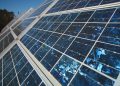
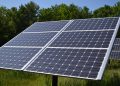
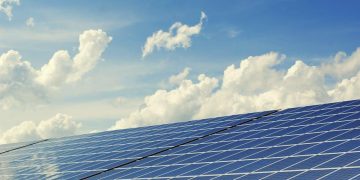
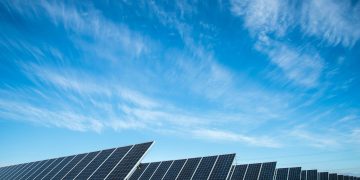
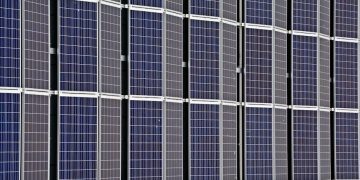
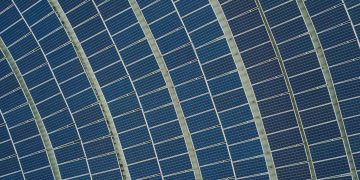
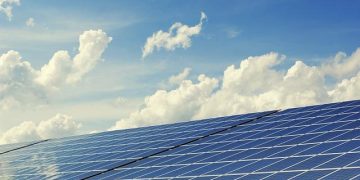
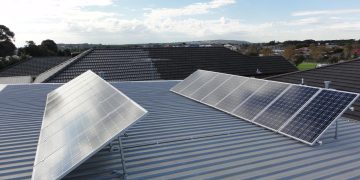
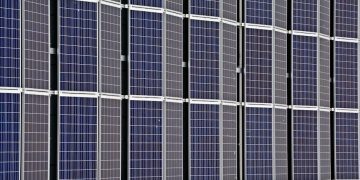
In the realm of commercial architecture, the fusion of solar technology with HVAC systems presents a promising avenue for enhancing energy efficiency and sustainability. This integration can be achieved through the installation of photovoltaic panels on rooftops, which capture sunlight and convert it into electrical energy to power HVAC systems. This not only reduces dependency on conventional power sources but also significantly cuts down on operational costs. The smart integration of solar energy into HVAC systems allows for adaptive energy management, ensuring that power is utilized efficiently and sustainably.
- Reduced energy costs: Lower electricity bills by harnessing solar power.
- Enhanced sustainability: Decrease carbon footprint with renewable energy usage.
- Energy independence: Less reliance on grid power increases energy security.
- Improved building value: Eco-friendly solutions can enhance property value.
To maximize the benefits of solar integration, it is crucial to consider factors such as building orientation, roof space, and local climate conditions. Innovative designs like building-integrated photovoltaics (BIPV) offer aesthetic solutions that seamlessly blend with the architecture while optimizing solar capture. As businesses increasingly prioritize sustainability, integrating solar with HVAC systems not only aligns with green building standards but also provides a competitive edge in energy management.

Optimizing Energy Management in HVAC through Solar Innovations
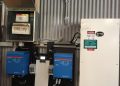
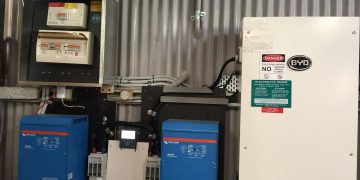
Incorporating solar technology into commercial HVAC systems can revolutionize how businesses manage energy consumption, enhancing both efficiency and sustainability. By harnessing the power of the sun, companies can significantly reduce their reliance on traditional energy sources, leading to cost savings and a smaller carbon footprint. This integration involves the use of photovoltaic panels to generate electricity that can power HVAC components, such as fans, pumps, and compressors. Moreover, solar thermal collectors can be utilized to assist with heating and cooling processes, optimizing the overall system performance.
Several key benefits arise from this innovative approach:
- Cost Efficiency: Decreased utility bills due to reduced energy consumption from the grid.
- Environmental Impact: Lower carbon emissions contributing to a more sustainable operation.
- Energy Independence: Less vulnerability to energy price fluctuations and supply disruptions.
- Enhanced System Lifespan: Reduced wear and tear on traditional HVAC components due to decreased load.
Practical Steps for Implementing Solar-Powered HVAC Systems
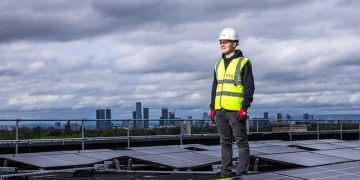
To successfully incorporate solar energy into your commercial HVAC systems, start by conducting a thorough energy audit. This will help you understand your building’s current energy usage and identify the potential benefits of integrating solar power. Next, evaluate the roof space and the building’s orientation to ensure optimal placement for solar panels, maximizing sunlight exposure throughout the day. It’s also essential to consult with a professional to determine the compatibility of your existing HVAC systems with solar technology.
- Choose the Right Solar Technology: Select between photovoltaic (PV) panels and solar thermal systems based on your specific energy needs and budget.
- Partner with Experienced Installers: Collaborate with certified solar installers who have experience in commercial HVAC integrations to ensure a seamless transition.
- Incorporate Smart Controls: Implement smart thermostats and energy management systems to optimize the performance and efficiency of your solar-powered HVAC systems.
By following these steps, you can effectively harness the power of the sun, reduce your energy bills, and contribute to a more sustainable future.
Concluding Remarks
As we stand on the cusp of a new era in sustainable energy, the integration of solar power into commercial HVAC systems emerges not just as a possibility, but as a necessity. This harmonious blend of technology and nature offers a pathway to reduced operational costs, enhanced energy efficiency, and a diminished carbon footprint. By embracing this innovation, businesses can position themselves as leaders in environmental stewardship while reaping the tangible benefits of a more sustainable future. As the sun sets on traditional energy paradigms, it rises on a landscape of infinite potential. The question is not whether we can harness this power, but how swiftly we can integrate it into the heart of our commercial infrastructures. In the quiet hum of progress, the future beckons, radiant and resolute.