












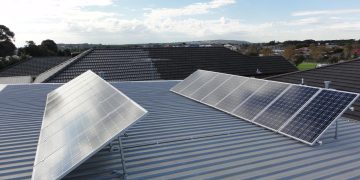






In an era where energy consumption is a pivotal concern for households and businesses alike, the quest for sustainable and economical solutions has never been more pressing. Amidst this evolving landscape, solar net metering programs emerge as a beacon of promise, offering a harmonious blend of environmental stewardship and financial prudence. These innovative programs, which allow solar panel users to feed excess energy back into the grid in exchange for credits, have transformed rooftops into not just energy producers but also cost-saving powerhouses. As the sun casts its golden rays upon solar panels, it ignites a new narrative—one where renewable energy becomes synonymous with fiscal responsibility. This article delves into the intricacies of solar net metering, exploring how it not only empowers individuals to take charge of their energy consumption but also fosters significant savings, painting a brighter future for both the planet and the pocket.
Harnessing the Suns Power for Economic Efficiency
One of the most promising strategies to achieve economic efficiency is through the implementation of solar net metering programs. These initiatives allow homeowners and businesses to not only generate their own electricity but also to sell any excess power back to the grid. This not only reduces electricity bills but can also lead to a significant return on investment over time. The essence of net metering lies in its ability to turn every sunny day into an opportunity for savings, creating a more balanced and sustainable energy ecosystem.
- Reduced Electricity Bills: By producing your own energy, reliance on the grid decreases, cutting down monthly costs.
- Income Generation: Surplus energy fed back into the grid can earn credits, which may offset future energy costs.
- Environmental Impact: Utilizing solar energy reduces carbon footprint, contributing to a healthier planet.
- Energy Independence: Less dependence on external energy sources increases resilience against fluctuating energy prices.

Maximizing Savings Through Solar Net Metering Programs
By participating in these innovative energy initiatives, homeowners can significantly reduce their electricity bills while contributing to a more sustainable future. Solar net metering allows you to send excess energy generated by your solar panels back to the grid, receiving credits that offset your future electricity use. This not only lowers your monthly utility expenses but also maximizes the return on your solar investment.
- Reduced Utility Costs: Earn credits for surplus energy that reduce your bills during low-sunlight periods.
- Increased Energy Independence: Gain greater control over your energy consumption and costs.
- Environmental Impact: Support renewable energy initiatives and reduce your carbon footprint.
Adopting solar net metering can transform your energy savings strategy, turning your home into an eco-friendly powerhouse. With the potential for significant financial benefits, these programs are a smart choice for environmentally conscious homeowners seeking both savings and sustainability.
Unveiling the Financial Benefits of Solar Energy Credits
Embracing solar energy isn’t just an environmentally conscious choice; it’s a financially savvy decision, thanks to the availability of solar energy credits. These credits can lead to substantial savings on your electricity bills. Solar net metering programs allow homeowners to generate their own electricity through solar panels and feed excess energy back into the grid, often receiving credits in return. These credits can be used to offset future electricity usage, effectively reducing your monthly utility costs.
Consider the array of financial advantages offered by these programs:
- Reduced Energy Bills: Generate your own power and lower the amount you need to purchase from the grid.
- Energy Independence: Produce a significant portion of your energy needs, shielding yourself from fluctuating utility rates.
- Increased Property Value: Homes equipped with solar panels often have higher resale values, as buyers recognize the long-term cost savings.
By leveraging these credits, homeowners can experience immediate savings and long-term financial benefits, making solar energy a lucrative investment.

Strategic Recommendations for Optimizing Solar Net Metering
To enhance the efficiency and cost-effectiveness of solar net metering, it is essential to implement a few strategic recommendations. Firstly, dynamic pricing models should be considered, allowing for electricity rates to adjust based on demand and supply fluctuations. This encourages solar customers to optimize their energy usage patterns and maximize savings. Additionally, utilities could offer tiered incentives to reward users who consistently generate surplus energy, thereby motivating higher levels of participation and production.
Furthermore, integrating smart grid technology can streamline the monitoring and management of energy flows, ensuring both utilities and consumers benefit from real-time data insights. This technology can facilitate better decision-making and improve grid reliability. Lastly, establishing a collaborative framework involving policymakers, utility companies, and consumers will ensure that net metering programs remain equitable and sustainable, fostering an environment where renewable energy adoption can thrive.
To Wrap It Up
As we draw the curtains on our exploration of cost savings through solar net metering programs, it becomes clear that the horizon is bright with possibilities. This innovative approach not only empowers homeowners to harness the sun’s abundant energy but also offers a pathway to significant financial relief. By turning rooftops into powerhouses and meters into gateways of savings, solar net metering paves the way for a more sustainable and economically savvy future. While challenges and regional variances remain, the potential for transformation is undeniable. As the sun sets on traditional energy models, it rises on a new era of empowerment, where every ray of light can illuminate the path to both ecological and economic harmony.