















In the dawn of a new energy era, the solar industry stands as a beacon of hope, promising a future powered by the sun’s inexhaustible rays. As solar panels sprout across rooftops and vast fields, this burgeoning industry not only illuminates the path to sustainable energy but also casts shadows of controversy. At the heart of this solar revolution lies a critical question: is the industry’s relentless pursuit of growth and efficiency coming at the expense of ethical labor practices? While solar power symbolizes clean and green innovation, the labor practices behind its rise have sparked a debate as heated as the sun itself. This article delves into the complexities of the solar industry’s labor dynamics, exploring whether the quest for affordable energy is inadvertently fueling a cycle of cheap labor exploitation.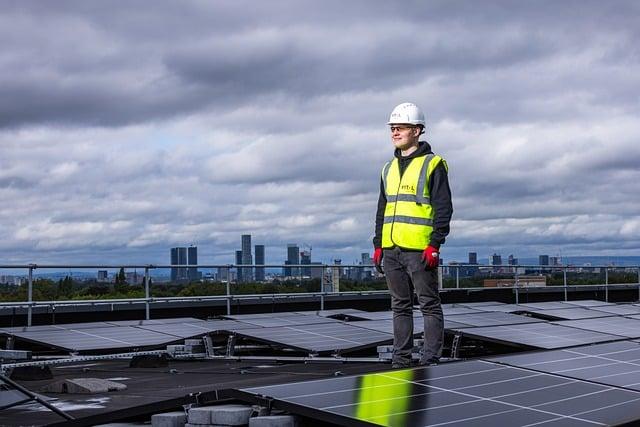
Behind the Panels: Unveiling Labor Realities in the Solar Sector
The rapid expansion of the solar industry is often celebrated for its contribution to a more sustainable future. However, beneath the gleaming panels lies a complex labor ecosystem that raises significant questions about worker rights and conditions. As the demand for solar energy surges, so does the need for affordable labor, often sourced from regions where labor laws are less stringent. This has led to a precarious balance between cost-cutting measures and ethical labor practices. Is the quest for green energy inadvertently fueling a race to the bottom in labor standards?
Key concerns in the sector include:
- Low wages: Many workers, particularly in developing countries, are paid minimal wages, barely sufficient to meet their basic needs.
- Unsafe working conditions: Reports indicate that some workers face hazardous environments without adequate safety measures.
- Lack of job security: Temporary contracts and subcontracting are common, leaving workers with little stability.
While the industry plays a pivotal role in combating climate change, it must also ensure that its labor practices do not undermine the very principles of sustainability and human dignity it aims to uphold.
Shedding Light on Wages: The True Cost of Solar Energy Production
In the quest for greener energy solutions, the solar industry stands as a beacon of hope, promising sustainable and eco-friendly power. However, beneath the sunlit panels lies a shadowy concern: the human cost of production. Many solar manufacturers operate in regions where labor is significantly cheaper, often resulting in questionable working conditions and insufficient wages. While the allure of affordable production costs is undeniable, it raises critical ethical questions about the industry’s commitment to fair labor practices.
- Unequal Pay: Workers in developing countries are frequently paid a fraction of what their counterparts in developed nations earn for similar tasks.
- Working Conditions: Reports have surfaced about long hours, inadequate safety measures, and lack of job security.
- Supply Chain Transparency: Many companies are criticized for their opaque supply chains, making it difficult to ensure ethical labor practices.
As consumers become increasingly conscious of the origins of their products, the solar industry faces mounting pressure to illuminate these dark corners. Balancing the scales between economic feasibility and ethical responsibility remains a critical challenge for this rapidly growing sector.
Empowering Workers: Strategies for Ethical Employment in Solar Industries
The solar industry is rapidly expanding, and with this growth comes the responsibility to ensure that employment practices are both ethical and sustainable. A commitment to empowering workers can be achieved through several strategic initiatives:
- Fair Wages: Implementing competitive compensation packages that reflect the value and skill of workers, thus ensuring they are not merely seen as cheap labor but as integral contributors to the industry’s success.
- Skill Development: Offering continuous training and educational opportunities that allow employees to advance within the industry, fostering a culture of growth and development.
- Safe Working Conditions: Adopting rigorous health and safety standards to protect workers from potential hazards associated with solar panel manufacturing and installation.
- Inclusive Policies: Creating an inclusive workplace that values diversity and promotes equality, ensuring all voices are heard and respected.
By implementing these strategies, the solar industry can set a benchmark for ethical employment, transforming perceptions and building a sustainable future for both the planet and its people.
Balancing Growth and Fairness: Recommendations for a Sustainable Solar Future
The pursuit of a sustainable solar future necessitates a delicate balance between rapid industry growth and equitable labor practices. To achieve this, policymakers and industry leaders must collaborate to establish frameworks that ensure fair wages and safe working conditions across the supply chain. Investing in worker training and development programs can elevate skill levels, leading to improved productivity and job satisfaction. Additionally, governments should enforce stricter labor regulations and conduct regular audits to hold companies accountable.
Simultaneously, companies should explore the following strategies to promote fairness while maintaining competitiveness:
- Transparent Supply Chains: Implementing robust tracking systems can help ensure that all components are sourced ethically.
- Fair Trade Certifications: Supporting certification schemes can promote ethical labor practices and enhance brand reputation.
- Community Engagement: Partnering with local communities can foster goodwill and ensure mutual benefits.
- Incentive Structures: Developing bonus systems based on fair labor practices can motivate suppliers to prioritize ethical standards.
Through these measures, the solar industry can pursue growth without compromising on fairness, paving the way for a more sustainable and just energy landscape.
In Conclusion
As the sun sets on our exploration of labor practices within the solar industry, we find ourselves at the crossroads of innovation and ethics. The pursuit of renewable energy is undeniably crucial in our quest for a sustainable future, yet it beckons us to scrutinize the shadows cast by its own structures. Are the beams of progress illuminating the path to fair labor, or do they obscure the realities faced by those whose hands bring solar dreams to life?
In this nuanced landscape, the onus lies not only on industry leaders but on all stakeholders—from policymakers to consumers—to demand transparency and equitable practices. By fostering an environment where ethical labor is as valued as technological advancement, we can ensure that the solar industry’s growth shines as a beacon of hope, not only for our planet but for every individual contributing to its mission.
As we continue to harness the power of the sun, let us also illuminate the path toward fairness and integrity, ensuring that the light of progress benefits all.