
















In a world where the quest for sustainable energy solutions has become more urgent than ever, the sun’s abundant power stands as a beacon of hope. Yet, harnessing this celestial energy source has traditionally been dominated by bulky, rigid solar panels that pose limitations in both versatility and application. Enter thin-film solar panels—a sleek, innovative contender quietly revolutionizing the solar energy landscape. These wafer-thin marvels, with their unique ability to bend, stretch, and integrate into diverse environments, are rewriting the rules of solar technology. As they disrupt the market with their lightweight design and adaptable nature, thin-film solar panels are not just an alternative; they are a glimpse into the future of renewable energy, promising to illuminate our path towards a more sustainable tomorrow.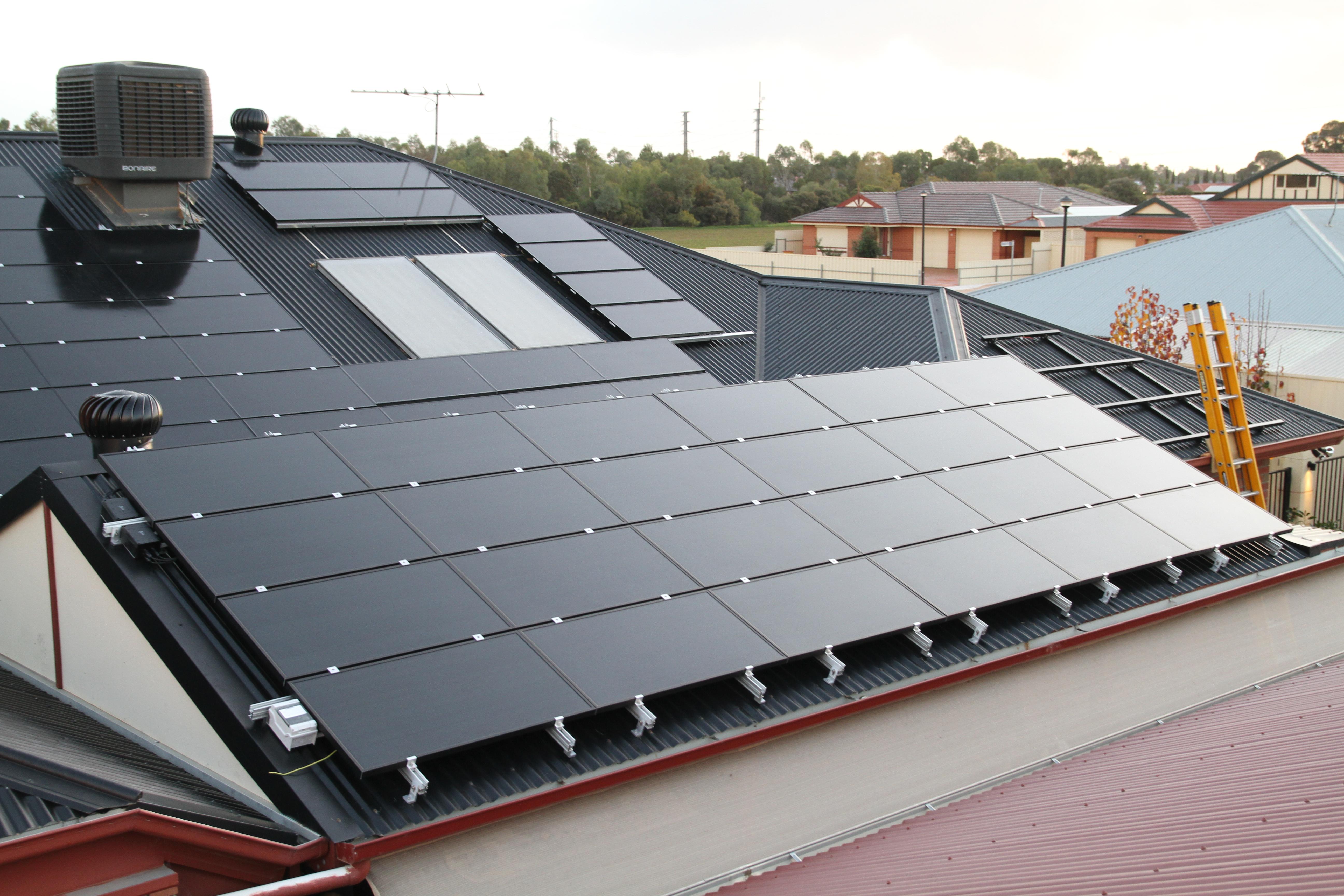
Revolutionizing Renewable Energy with Thin-Film Technology
In recent years, the energy sector has witnessed a paradigm shift with the advent of thin-film solar technology. Unlike traditional silicon-based panels, thin-film solar cells offer a myriad of benefits that are transforming the renewable energy landscape. These panels are incredibly lightweight and flexible, making them ideal for a wide range of applications that were previously deemed impossible with conventional solar solutions. Their adaptability allows for integration into various surfaces, from rooftops and building facades to vehicles and portable devices.
- Cost-Effective Production: Thin-film panels are manufactured using less material, which significantly reduces production costs. This affordability makes solar energy more accessible to a broader audience.
- Enhanced Performance in Low Light: These panels perform exceptionally well in low-light conditions, ensuring a more consistent energy output even on cloudy days.
- Reduced Installation Complexity: Their lightweight nature simplifies installation, reducing labor costs and time. This ease of setup further incentivizes widespread adoption.
By addressing some of the key limitations of traditional solar panels, thin-film technology is paving the way for more sustainable and efficient energy solutions. As innovations continue to emerge, this disruptive technology is poised to play a critical role in the global transition towards cleaner energy sources.
Unpacking the Cost Efficiency and Flexibility of Thin-Film Solar Panels
Thin-film solar panels are redefining the solar energy landscape by offering a compelling mix of cost efficiency and adaptability. One of the standout advantages is their production process, which requires significantly less material than traditional silicon panels. This reduction not only lowers manufacturing costs but also translates into a more affordable product for consumers. The lightweight and flexible nature of thin-film technology allows for a variety of applications, from integrating into building materials to powering portable devices. As a result, these panels are not just confined to rooftops but can be seamlessly incorporated into urban infrastructure and even wearable technology.
- Cost Efficiency: The minimal use of raw materials and simpler manufacturing processes contribute to lower production costs.
- Flexibility: Their adaptable form factor opens up new possibilities for installation in unconventional spaces.
- Versatility: Suitable for both small-scale and large-scale projects, offering scalable solutions for diverse energy needs.
This fusion of cost-effectiveness and versatility makes thin-film solar panels a disruptive force in the market, challenging traditional photovoltaic technologies and paving the way for innovative energy solutions.

Navigating the Market Impact and Growth Potential of Thin-Film Innovations
As the energy landscape evolves, thin-film solar panels are at the forefront of a revolutionary shift, offering significant advantages over traditional photovoltaic technologies. These innovations are transforming the market dynamics due to their lightweight nature and flexibility, which allow for diverse applications ranging from rooftops to portable devices. Thin-film solar panels are not only reducing installation costs but also broadening the scope of solar energy utilization in urban environments. This technology is rapidly gaining traction, especially in areas where conventional panels face limitations due to size or weight constraints.
Key factors driving market impact and growth potential include:
- Cost Efficiency: Thin-film technology typically requires less material, making it more cost-effective.
- Versatility: The adaptability of these panels allows them to be integrated into a wide range of surfaces and structures.
- Improved Performance: They perform better in low-light conditions and high temperatures, enhancing energy capture.
- Environmental Benefits: The production process often has a smaller carbon footprint compared to traditional solar panels.
These attributes not only make thin-film solar panels a compelling choice for current energy solutions but also position them as a pivotal player in the future of renewable energy. As more industries and consumers recognize the value of these innovations, the market is poised for significant expansion, promising a greener and more sustainable energy future.

Strategic Recommendations for Investing in Thin-Film Solar Solutions
In the rapidly evolving landscape of solar technology, thin-film solar solutions are emerging as a game-changer, offering unique advantages and new opportunities for investors. To harness these opportunities, consider the following strategic recommendations:
- Research and Diversify: Explore the various types of thin-film technologies such as cadmium telluride (CdTe), amorphous silicon (a-Si), and copper indium gallium selenide (CIGS). Each offers distinct benefits, so diversifying your investment across different technologies can mitigate risks.
- Focus on Scalability: Look for companies that have demonstrated scalability in production and have a clear path to increasing efficiency and reducing costs. The ability to scale production effectively is crucial for maintaining a competitive edge.
- Evaluate Long-Term Viability: Consider the long-term sustainability of the technology. This includes assessing environmental impacts, potential regulatory changes, and the ability to integrate with existing energy infrastructures.
- Leverage Government Incentives: Keep an eye on government policies and incentives that favor renewable energy investments. These can significantly enhance the financial attractiveness of thin-film solar projects.
By taking a strategic approach and staying informed about the latest technological advancements and market trends, investors can position themselves to capitalize on the transformative potential of thin-film solar panels.
In Retrospect
As the sun sets on the era of traditional energy paradigms, thin-film solar panels emerge as the harbingers of a new dawn in sustainable technology. Their innovative design and adaptability herald a future where energy efficiency is not just a goal but a tangible reality. As we stand on the cusp of this transformation, it becomes clear that thin-film technology is not merely disrupting the market—it is redefining it. By challenging conventions and pushing the boundaries of what solar power can achieve, these panels illuminate a path forward, inviting industries and individuals alike to embrace a cleaner, more sustainable tomorrow. As we continue to explore the potential of this groundbreaking technology, one thing is certain: the future of solar energy has never looked brighter.