












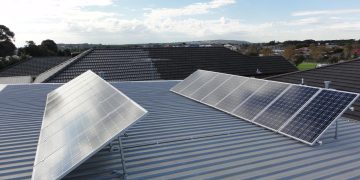

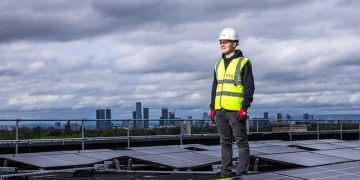





In a world where the sun’s brilliance is constant, harnessing its energy has long been a dream for many. Once considered a luxury reserved for the eco-conscious elite, solar panels are now stepping into the spotlight as a viable energy solution for the everyday consumer. As technology advances and market dynamics shift, the barriers to entry are crumbling, making solar power more accessible than ever before. This article explores the remarkable journey of solar panels as they transition from niche innovation to mainstream practicality, illuminating the path to a future where everyone can bask in the benefits of clean, renewable energy.
Technological Innovations Driving Down Costs
In recent years, the landscape of solar energy has transformed significantly, making it more accessible to a broader audience. Several technological advancements have played a pivotal role in reducing the costs associated with solar panel production and installation. Key among these innovations is the development of more efficient photovoltaic cells, which allow for higher energy conversion rates, thus requiring fewer materials to produce the same amount of electricity. Additionally, the adoption of automated manufacturing processes has streamlined production, significantly cutting down on labor costs.
- Thin-film technology: This innovation reduces the amount of semiconductor material needed, lowering production expenses.
- Advanced materials: The use of perovskite solar cells offers a cheaper alternative to traditional silicon-based cells.
- Improved energy storage: Innovations in battery technology have enhanced the efficiency of storing solar energy, making solar systems more viable for residential use.
- Decentralized energy systems: The rise of microgrids allows for localized energy distribution, reducing transmission losses and costs.
Moreover, government incentives and subsidies have further driven down costs, encouraging more households and businesses to transition to solar power. These financial aids, combined with innovative financing models such as solar leasing and power purchase agreements, have made solar installations financially feasible for a wider demographic. As these technological and economic factors continue to evolve, the prospect of solar energy becoming a mainstream energy source is increasingly within reach.
Government Incentives and Subsidies Boosting Accessibility
In recent years, numerous government initiatives have emerged, making solar energy more attainable for individuals and businesses alike. These programs often come in the form of tax credits, rebates, and grants, designed to ease the financial burden of solar panel installation. By offering these incentives, governments aim to encourage a shift towards renewable energy sources, promoting environmental sustainability and energy independence.
Several key measures include:
- Tax Credits: Reductions in income taxes for those investing in solar technology.
- Rebates: Direct financial returns on the purchase and installation of solar panels.
- Low-Interest Loans: Financing options that make it easier to manage upfront costs.
- Net Metering: Policies that allow solar panel owners to sell excess energy back to the grid.
These efforts not only reduce initial costs but also enhance the long-term economic viability of adopting solar energy. By leveling the playing field, governments are paving the way for a broader demographic to embrace the power of the sun.

Community Solar Programs Expanding Reach
The democratization of solar energy is on the rise, thanks to the innovative growth of community solar programs. These initiatives enable households and businesses to tap into the benefits of solar power without the necessity of installing individual solar panels. By participating in shared solar projects, community members can enjoy reduced energy costs while contributing to a more sustainable environment. This model is particularly advantageous for those who may lack the financial resources or suitable roof space for personal solar installations.
Key benefits of community solar programs include:
- Cost Savings: Participants often see immediate reductions in their electricity bills.
- Accessibility: Renters and those with shaded or unsuitable roofs can still access solar energy.
- Environmental Impact: Collectively reduces carbon footprint by promoting clean energy use.
Choosing the Right Solar Solution for Your Needs
When embarking on the journey to harness solar energy, it’s crucial to understand the diverse options available and how they align with your personal or business needs. Residential solar systems are often the first choice for homeowners, offering a way to cut electricity bills and reduce carbon footprints. These systems typically include photovoltaic panels, inverters, and sometimes battery storage, each component tailored to fit the specific energy demands of a household. For those in urban settings with limited roof space, solar shingles or building-integrated photovoltaics (BIPV) offer an innovative solution that blends seamlessly with existing structures.
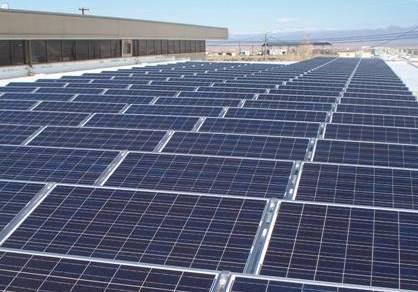
Businesses, on the other hand, might consider larger-scale installations such as commercial rooftop systems or solar carports. These solutions not only provide significant energy savings but also contribute to sustainability goals, enhancing corporate responsibility profiles. When selecting a solar solution, consider factors like:
- Available roof space and orientation
- Local climate and average sun exposure
- Budget and financing options
- Long-term energy goals and sustainability targets
By weighing these elements, individuals and businesses can choose a solar solution that not only meets their current needs but also anticipates future growth and energy requirements.
In Retrospect
As the sun sets on our exploration of solar affordability, it’s clear that the dawn of a new era in energy is upon us. Solar panels, once a luxury reserved for the few, are now illuminating the path toward a more sustainable future for all. With technological advancements and decreasing costs, the barriers that once stood tall are slowly crumbling, making way for a brighter, more inclusive tomorrow. As we continue to harness the power of the sun, the promise of a cleaner, more equitable energy landscape becomes ever more attainable. Let us embrace this opportunity, step into the light, and power our world with the endless potential of the sun.