









In a world where sustainability is more than just a buzzword, off-grid solar systems have emerged as a beacon of energy independence and environmental stewardship. As the sun rises each day, so does the potential to harness its power, freeing ourselves from the constraints of traditional energy sources. Yet, the journey to self-sufficiency is often punctuated by questions, with pricing being at the forefront of many inquisitive minds. How much does it cost to step off the grid and embrace the sun’s bounty? This guide aims to illuminate the path, offering insights into the factors that influence pricing and helping you navigate the world of off-grid solar systems with confidence and clarity. Whether you’re a seasoned eco-warrior or a curious newcomer, join us as we explore the financial landscape of solar independence, shedding light on the costs and considerations that will empower your journey toward a sustainable future.
Understanding the Basics of Off-Grid Solar Systems
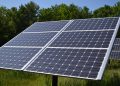
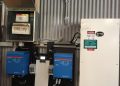
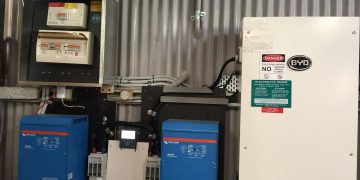
Embarking on the journey to harness the power of the sun involves understanding the key components that make up a solar system independent of the grid. Solar panels, inverters, batteries, and charge controllers form the core of these systems, each playing a crucial role. Solar panels capture sunlight and convert it into electricity, while inverters transform this energy from direct current (DC) to alternating current (AC) to power household appliances. Batteries store excess energy for use during non-sunny periods, and charge controllers manage the flow of energy to prevent overcharging, thus prolonging battery life.
In considering an off-grid system, one must also account for site-specific factors such as location, energy needs, and available sunlight hours, which influence system size and configuration. When planning your off-grid setup, it’s essential to focus on the following aspects:
- System Sizing: Determine your energy consumption to size your system appropriately.
- Component Quality: Invest in reliable components to ensure long-term performance and durability.
- Installation: Professional installation can optimize system efficiency and safety.
- Maintenance: Regular checks and maintenance can extend the life of your system.
Understanding these basics lays the foundation for a successful transition to off-grid living, empowering you to make informed decisions as you move forward.

Key Factors Influencing Off-Grid Solar System Costs
Several factors play a pivotal role in determining the cost of off-grid solar systems. One of the primary considerations is the size and capacity of the system, which directly correlates to the amount of energy you need to generate. Larger systems capable of producing more energy typically require more solar panels, batteries, and inverters, thereby increasing the overall cost. Additionally, the quality of components used, such as high-efficiency panels or advanced battery technology, can significantly impact pricing. Opting for reputable brands often ensures durability and performance but may come at a premium.
- Installation Complexity: The ease or difficulty of installing your system can affect labor costs. Challenging installations might require more specialized expertise.
- Geographical Location: Solar irradiance levels and local weather conditions can influence system size and cost. Areas with abundant sunlight may require fewer panels.
- Government Incentives: Availability of subsidies, tax credits, or rebates can significantly reduce upfront costs, though these vary by region.
Furthermore, maintenance and potential future upgrades should be considered, as these can add to the lifetime cost of the system. Being mindful of these factors can help in making an informed decision that balances cost with long-term benefits.
Comparing Popular Off-Grid Solar Kits and Their Prices
Choosing the right solar kit can be a daunting task with the myriad of options available in the market. To simplify your decision-making process, let’s delve into a comparison of some popular off-grid solar kits, examining their features and price points. This will help you align your choice with both your energy needs and budget constraints.
- Renogy 400W Solar Kit: Known for its reliability and efficiency, this kit includes four 100W solar panels, a 30A PWM charge controller, and essential mounting hardware. Priced around $700, it is an excellent choice for those looking to power small appliances or RVs.
- Eco-Worthy 1200W Solar Kit: A step up for those needing more power, this kit offers six 200W solar panels and a 60A MPPT charge controller. At approximately $1,800, it’s ideal for larger off-grid setups or tiny homes.
- WindyNation 400W Solar Kit: This kit provides a comprehensive package with four 100W panels, a 30A P30L charge controller, and a 1500W VertaMax inverter. Priced around $900, it’s a balanced option for those seeking an affordable yet powerful solution.
Each of these kits offers unique features tailored to different needs, ensuring there’s an option for everyone from the casual camper to the dedicated off-grid enthusiast. By considering both the technical specifications and price, you can find the perfect match for your solar energy journey.
Expert Tips for Choosing the Right Off-Grid Solar Solution
When venturing into the realm of off-grid solar solutions, it’s essential to balance both efficiency and cost-effectiveness. Here are some expert tips to guide your decision-making process:
- Assess Your Energy Needs: Start by calculating your daily energy consumption. This will help you determine the size of the system required to meet your demands without overspending.
- Consider Battery Storage: Batteries are a critical component of any off-grid system. Opt for high-quality batteries that offer a longer lifespan and better performance to ensure reliability, especially during cloudy days.
- Evaluate Panel Efficiency: Not all solar panels are created equal. Look for panels with high efficiency ratings to maximize energy production even in limited space.
- Think About Future Expansion: Choose a system that allows for scalability. This flexibility can be crucial as your energy needs grow over time or as you decide to expand your setup.
- Research Local Regulations: Be aware of any regional guidelines or incentives for off-grid solar installations. These can significantly affect both the legal feasibility and cost-effectiveness of your project.
By focusing on these critical factors, you can make an informed choice that aligns with your energy requirements and budgetary constraints, ensuring a seamless transition to an off-grid lifestyle.
In Retrospect
As we draw the curtain on our exploration of off-grid solar system pricing, it’s clear that the path to energy independence is as unique as the landscapes it powers. Whether you’re a pioneer of sustainable living nestled in a remote cabin or a visionary crafting a resilient urban retreat, understanding the financial landscape of off-grid solar is crucial. By considering the variables of system size, installation costs, and ongoing maintenance, you can chart a course that aligns with both your energy needs and budget.
The sun, a timeless ally, offers an abundant resource waiting to be harnessed. With this guide, you’re equipped to make informed decisions, balancing the initial investment with the long-term benefits of self-sufficiency and sustainability. As you embark on this journey, may your pursuit of off-grid living illuminate new possibilities, paving the way to a future where energy is not just consumed, but consciously cultivated.
the price of going off-grid is more than a monetary figure—it’s an investment in freedom, resilience, and the promise of a brighter, greener tomorrow. Thank you for joining us on this enlightening adventure.