












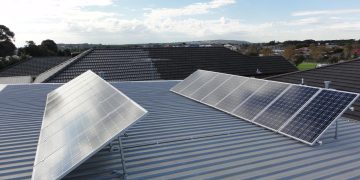

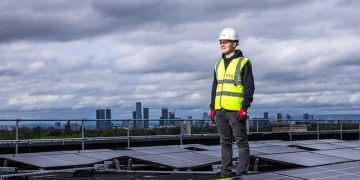





In a world increasingly illuminated by the promise of renewable energy, solar power stands as a beacon of hope against the shadow of climate change. Yet, as nations race to harness the sun’s abundant rays, a critical question emerges: Is this solar revolution favoring the affluent while leaving others in the shade? This inquiry delves into the global shift towards solar energy, exploring whether the financial and technological advantages of wealthier nations are casting a disproportionate light on their prosperity, while less affluent countries struggle to catch up. Through a neutral lens, this article examines the dynamics of solar adoption, the implications for economic disparity, and the potential pathways to ensure a more equitable distribution of the sun’s bountiful energy.
Unequal Rays of Sunshine Exploring the Disparity in Solar Adoption
The solar revolution, heralded as a beacon of hope in combating climate change, has inadvertently spotlighted a glaring disparity in its adoption. Wealthy nations, with their substantial financial resources and robust infrastructure, are undoubtedly at the forefront of this shift. Their ability to invest in large-scale solar farms and advanced technology puts them in an enviable position to reap the environmental and economic benefits of solar energy. However, this global push towards renewable energy highlights a stark contrast with less affluent countries, which often face numerous barriers to entry.
Challenges faced by less affluent countries include:
- Limited financial resources to invest in solar infrastructure.
- Lack of technical expertise and workforce training.
- Inadequate policy frameworks and government support.
- Geographical and climatic limitations affecting solar efficiency.
While the sun shines equally across the globe, the ability to harness its power effectively remains unequal. Addressing these disparities requires a collaborative effort that includes financial aid, technology transfer, and policy support from the international community. Only then can solar energy truly become a universal solution.
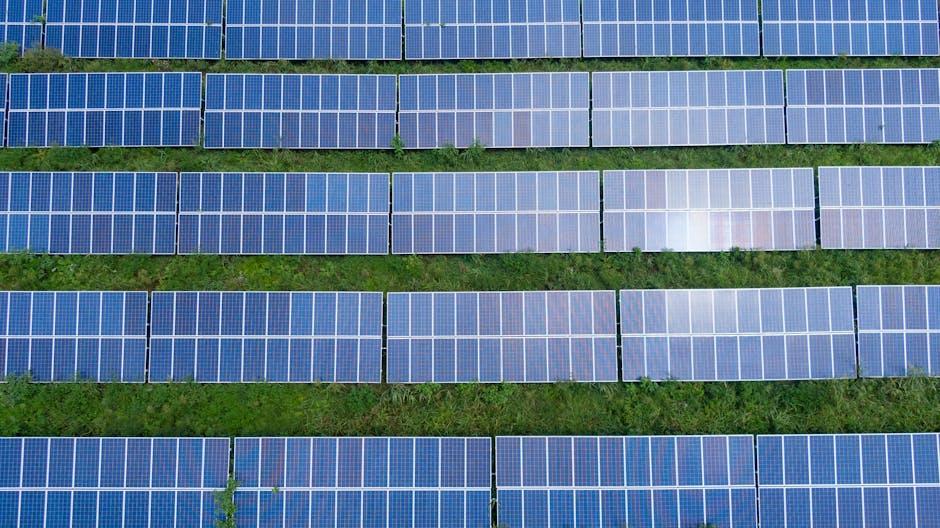
Harnessing the Suns Power Are Wealthier Nations Reaping More Benefits
As the world accelerates its transition towards renewable energy, the adoption of solar technology appears to be an arena where wealthier nations are potentially enjoying a disproportionate share of the benefits. The financial resources at their disposal allow these countries to invest in large-scale solar farms, cutting-edge research, and comprehensive infrastructure. Wealthier nations often have the advantage of well-established industrial bases, enabling them to produce and install solar panels at a lower cost due to economies of scale. Additionally, substantial government subsidies and incentives further encourage the integration of solar energy, making it more accessible and economically viable.
However, the question arises whether these advancements are creating a solar divide. Several factors contribute to this disparity:
- Technological Advancements: Wealthier countries have the capital to develop and deploy advanced solar technologies, potentially leaving developing nations behind.
- Investment Capabilities: The ability to invest heavily in renewable infrastructure gives richer countries a head start in harnessing solar power efficiently.
- Policy Frameworks: Strong policy support in affluent nations often provides a more conducive environment for solar energy adoption.
These dynamics suggest that while the global shift to solar is a positive step towards sustainability, it may inadvertently widen the energy gap between rich and poor nations, unless equitable access to technology and resources is prioritized.
Leveling the Solar Playing Field Bridging the Gap in Renewable Energy Access
The global transition to solar energy is heralded as a beacon of hope in the fight against climate change, but it seems to shine more brightly for wealthier nations. Access to renewable energy, particularly solar, is not just about installing panels; it’s about building an entire infrastructure that includes financing, technology, and education. Wealthier countries often have the resources to invest in advanced technologies, making solar energy a more viable and immediate solution for them. In contrast, developing nations struggle with upfront costs and lack of infrastructure, leaving them lagging behind in the solar revolution.
To bridge this gap, it’s crucial to consider strategies that democratize access to solar technology. Potential solutions include:
- Innovative Financing Models: Offering microloans or pay-as-you-go systems can help lower-income communities afford solar installations.
- Technology Transfer: Facilitating the sharing of technology and expertise from developed to developing nations can speed up the adoption of solar energy.
- International Cooperation: Establishing global partnerships and funding initiatives to support renewable energy projects in less affluent regions.
By implementing such strategies, we can ensure that the solar revolution benefits all, not just the affluent few.

Strategic Recommendations for Equitable Solar Energy Expansion
To ensure a fair distribution of solar energy benefits, it’s crucial to focus on strategic partnerships between developed and developing nations. Such alliances can facilitate the transfer of technology and knowledge, allowing less wealthy countries to leapfrog traditional energy infrastructure hurdles. Additionally, creating financial incentives through international grants or low-interest loans can empower emerging economies to invest in solar infrastructure without burdening their finances.
Governments and organizations must also emphasize the importance of community involvement. Engaging local populations in the planning and execution phases of solar projects ensures that the benefits align with their specific needs. This can include initiatives like:
- Providing vocational training programs to build local expertise in solar technology installation and maintenance.
- Implementing subsidy schemes that make solar panels affordable for low-income households.
- Ensuring that solar projects are developed in areas where they can have the most significant social and economic impact.
The Conclusion
As the sun sets on our exploration of the solar revolution, it becomes clear that the beams of progress illuminate different paths for nations across the globe. While affluent countries bask in the glow of advanced infrastructure and ample resources, the promise of solar power remains a beacon of hope for emerging economies striving to harness its potential. The journey toward a sustainable future is not a race but a shared voyage, where collaboration and innovation can bridge divides and light the way for all. As we look toward the horizon, the question remains: will the shift toward solar energy become a unifying force, or will it further delineate the lines of disparity? Only time, and our collective actions, will tell.