












In an era where the sun’s rays are increasingly seen as more than just a source of light and warmth, solar power is emerging as a beacon of hope for both environmental sustainability and economic prudence. As nations grapple with the dual challenges of climate change and rising energy costs, the promise of harnessing solar energy extends beyond its immediate allure of clean and renewable power. This article delves into the long-term cost benefits of solar power, exploring how its adoption can lead to substantial savings over time, reshape energy economies, and redefine the future of global energy consumption. By examining the intricate interplay between initial investments, technological advancements, and financial incentives, we aim to illuminate the true economic potential that lies in turning our gaze skyward.
Harnessing the Sun: A Path to Sustainable Savings
As we stand on the brink of an energy revolution, solar power emerges not only as a beacon of sustainability but also as a harbinger of financial prudence. By investing in solar energy systems, households and businesses can unlock a cascade of long-term savings that extend far beyond the initial installation costs. One of the most compelling financial incentives is the reduction in monthly electricity bills. With the capability to generate one’s own electricity, reliance on the grid diminishes, leading to significant savings over time. Moreover, many regions offer tax credits and rebates that can offset installation expenses, making solar an even more attractive option.
- Decreased Utility Bills: Once installed, solar panels can drastically reduce, if not eliminate, monthly electricity costs.
- Tax Incentives: Various governmental programs provide tax breaks, enhancing the affordability of solar systems.
- Increased Property Value: Homes equipped with solar technology often see a rise in market value.
- Low Maintenance Costs: Solar systems generally require minimal upkeep, translating into additional savings.
While the upfront costs may appear daunting, the investment in solar power is akin to planting a financial seed that grows over time, fostering not only environmental benefits but also substantial economic gains. As the world continues to embrace renewable energy, the financial advantages of solar power become an undeniable facet of its appeal.
The Financial Upside of Solar Investment
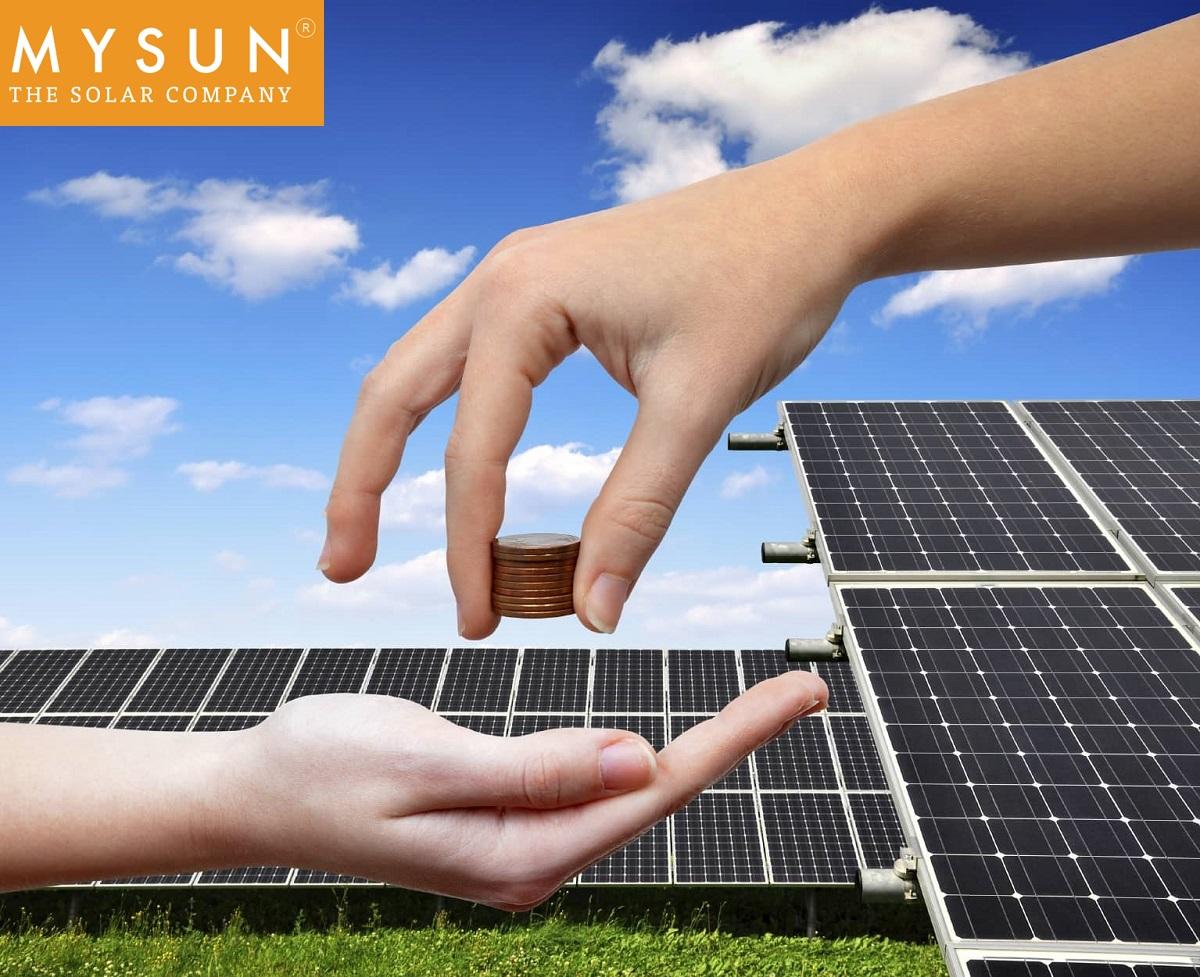
Investing in solar power offers a spectrum of financial advantages that extend well beyond the initial installation costs. One of the most compelling benefits is the significant reduction in electricity bills. By generating your own energy, you effectively shield yourself from fluctuating utility rates and enjoy a consistent, predictable expense each month. Over time, this can translate into substantial savings, particularly as traditional energy prices continue to rise.
- Tax Incentives and Rebates: Many governments offer attractive tax credits and rebates to encourage solar adoption, significantly lowering the upfront costs.
- Increased Property Value: Homes equipped with solar panels often see an increase in market value, appealing to eco-conscious buyers and those looking to reduce future energy costs.
- Low Maintenance Costs: Solar systems are known for their durability and require minimal maintenance, leading to lower long-term expenses.
Energy Independence: Securing Your Future with Solar
Embracing solar power offers not only environmental benefits but also substantial long-term cost savings. By harnessing the sun’s energy, homeowners can significantly reduce their reliance on traditional energy sources, leading to lower utility bills. Over time, the initial investment in solar panels is often offset by the decrease in energy costs. Additionally, many regions offer incentives such as tax credits and rebates, further enhancing the financial advantages.
- Reduced Energy Bills: With solar panels, generate your own electricity and decrease monthly expenses.
- Tax Incentives: Benefit from government programs that provide financial support for solar adoption.
- Increased Property Value: Homes equipped with solar systems often see a rise in market value.
- Low Maintenance Costs: Solar panels require minimal upkeep, ensuring long-term savings.
By investing in solar energy, individuals not only contribute to a sustainable future but also secure their own financial stability. With the potential for energy independence, solar power presents a wise choice for those looking to invest in their future.
Maximizing Returns: Strategic Approaches to Solar Adoption
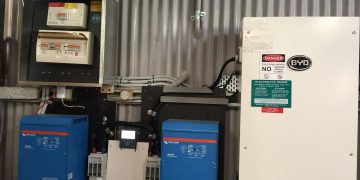
Adopting solar energy is not just a commitment to environmental sustainability; it’s a strategic financial decision that can yield substantial returns over time. By focusing on strategic approaches, individuals and businesses can maximize their returns on investment. One such approach is to thoroughly evaluate the local incentives and tax rebates available for solar installations. These financial incentives can significantly reduce initial costs and improve the payback period. Moreover, investing in high-quality solar panels and efficient energy storage solutions can enhance system longevity and performance, leading to increased savings over the system’s lifetime.
- Evaluate Local Incentives: Researching and leveraging government incentives can dramatically reduce initial investment costs.
- Invest in Quality: Choosing high-quality equipment ensures better performance and durability, enhancing overall savings.
- Optimize Energy Consumption: Implementing energy-efficient practices complements solar power usage, further lowering utility bills.
- Regular Maintenance: Scheduled check-ups and cleaning can maintain peak system efficiency, ensuring consistent energy output.
By incorporating these strategic measures, solar adopters can not only minimize costs but also maximize the economic benefits of their solar power systems over the long haul.
Wrapping Up
As the sun sets on our exploration of the long-term cost benefits of solar power, it’s clear that this renewable energy source holds a promise that extends far beyond immediate savings. Solar power not only illuminates our homes and businesses but also offers a brighter financial future, cutting costs while cutting carbon footprints. The initial investment, often seen as a hurdle, transforms over time into a pathway of economic resilience and environmental stewardship.
As we stand at the crossroads of innovation and tradition, the choice to harness the sun’s energy becomes not just a decision for today, but a commitment to generations yet to come. With each sunrise, solar power beckons us to envision a world where sustainability is within reach, where energy independence is not a distant dream, but a lived reality. Let us embrace this journey towards a future where the true cost of energy is measured not in dollars and cents, but in the legacy we leave behind.