












In the ever-evolving tapestry of modern cities, where glass skyscrapers touch the clouds and bustling streets hum with life, an unseen battle brews between the aspirations for sustainable living and the unintended consequences of technological advancement. At the heart of this struggle lies the urban heat island effect, a phenomenon where urban areas become significantly warmer than their rural surroundings. As cities worldwide increasingly embrace solar panels as beacons of green energy, a curious question arises: do these shimmering arrays of silicon and glass contribute to the very heat they aim to mitigate? This article delves into the intricate dance between solar panels and urban heat islands, exploring whether our quest for a sustainable future might inadvertently be heating up our urban havens.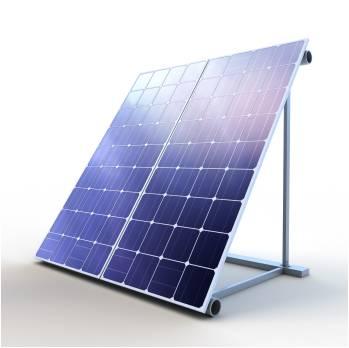
Exploring the Role of Solar Panels in Urban Heat Dynamics
Urban areas are often grappling with the phenomenon of heat islands, where temperatures are significantly higher than in their rural counterparts. This increase in temperature is primarily due to human activities and the heat-retaining properties of concrete and asphalt. The integration of solar panels into cityscapes is often seen as a dual-edged sword in this context. On one hand, they provide clean energy, reducing reliance on fossil fuels. On the other, there’s a growing discussion about their role in urban heat dynamics.
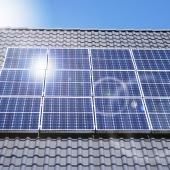
- Reflectivity: Solar panels are designed to absorb sunlight, but their dark surfaces can also contribute to heat absorption. However, their reflective properties can help mitigate some heat absorption, potentially balancing their impact.
- Energy Conversion: A portion of the absorbed sunlight is converted into electricity, not heat, which could otherwise have been absorbed by rooftops and pavements, potentially reducing heat accumulation.
- Placement and Design: The placement of solar panels on rooftops and open areas can alter airflow and shading patterns, impacting localized temperatures. Innovative designs and materials are being explored to enhance their cooling effects.
While the debate continues, it’s clear that the integration of solar panels in urban planning needs a holistic approach. Their potential to contribute to or mitigate urban heat largely depends on how they are implemented and their interaction with other urban elements.
Understanding Heat Absorption and Reflection by Solar Installations
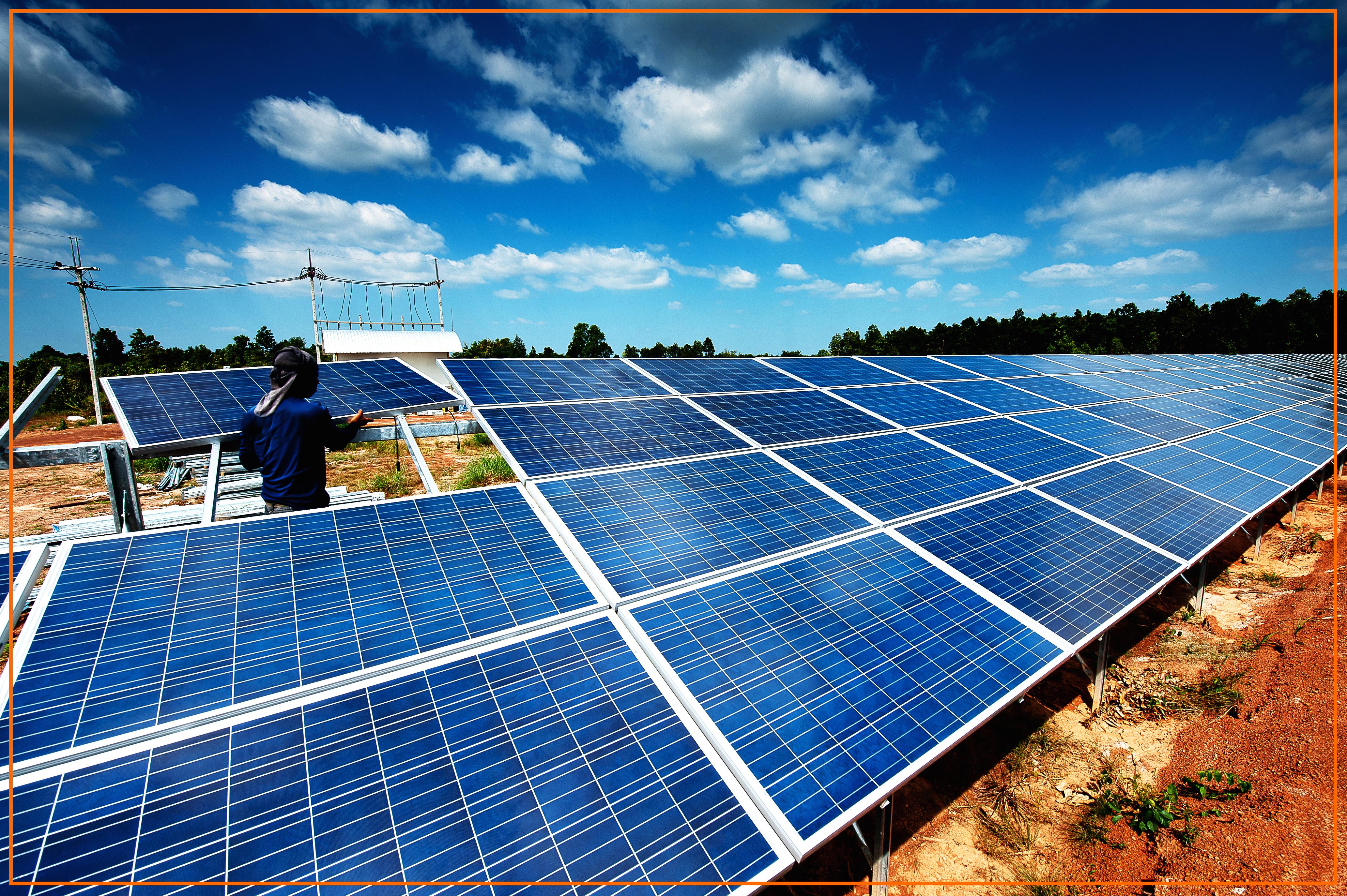
Solar panels, while primarily known for their energy-generating capabilities, also play a role in the thermal dynamics of urban areas. When sunlight hits these panels, a portion of the energy is converted into electricity, while the rest is either absorbed or reflected. Heat absorption by solar installations can potentially raise the surface temperature of the panels, leading to a slight warming effect. However, the materials used in solar panels are designed to minimize heat retention, and their reflective properties can actually help in deflecting some of the sunlight back into the atmosphere. This dual nature means solar panels can both absorb and reflect heat, influencing the local microclimate in complex ways.
- Absorption: Solar panels absorb sunlight to convert it into energy, but they also trap some heat, which can contribute to surface warming.
- Reflection: Their reflective surfaces can bounce some sunlight away, potentially reducing the overall heat load in the area.
These interactions suggest that while solar panels do have an impact on urban heat islands, their overall effect is nuanced. The balance between absorption and reflection can vary based on factors like panel orientation, material, and surrounding environment. Innovative designs and strategic placement of solar installations can further optimize their thermal performance, helping to mitigate any negative impacts on urban temperatures.
Comparative Analysis: Solar Panels Versus Traditional Roofing Materials
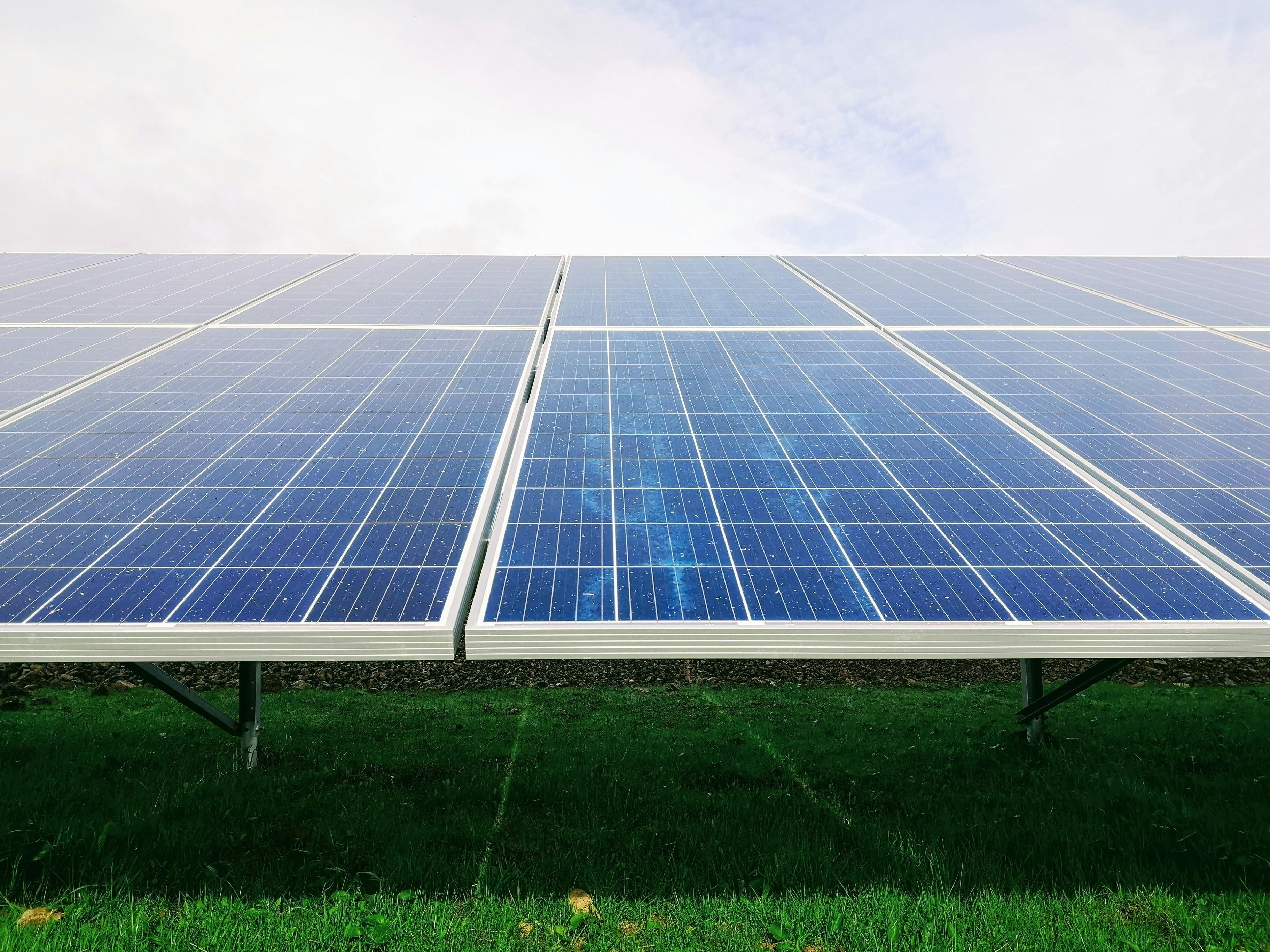
When it comes to urban construction, the materials chosen for rooftops can have a significant impact on the local climate. Solar panels and traditional roofing materials each contribute differently to urban heat islands. Solar panels, while primarily installed for energy efficiency, also play a role in altering the thermal dynamics of a city. By absorbing sunlight to generate electricity, they potentially reduce the heat reflected back into the atmosphere compared to conventional roofing. This can contribute to a decrease in the overall temperature of urban areas.
On the other hand, traditional roofing materials like asphalt shingles and concrete tiles tend to absorb heat and re-emit it, often exacerbating the urban heat island effect. Key differences include:
- Reflectivity: Solar panels generally have a higher reflectivity compared to dark-colored traditional roofs, which can help in mitigating heat absorption.
- Energy Absorption: Unlike traditional materials, solar panels convert a portion of the absorbed solar energy into electricity, reducing the amount of heat re-emitted into the environment.
- Longevity and Maintenance: While both options require maintenance, the energy-generating capacity of solar panels offers an additional benefit that traditional materials do not.
These distinctions highlight how the choice between solar panels and traditional roofing can influence urban temperatures, making it a crucial consideration in urban planning and development.
Strategies for Mitigating Heat Island Effects with Solar Technology
Urban heat islands (UHIs) present significant challenges, but solar technology offers promising strategies to counteract these effects. By incorporating solar panels with innovative designs, cities can not only generate renewable energy but also reduce ambient temperatures. Here are some strategies to consider:
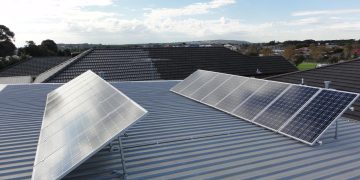
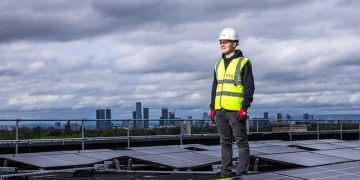
- Rooftop Solar Arrays: Installing solar panels on rooftops can provide a dual benefit—generating electricity while shading buildings and reducing the need for air conditioning.
- Solar Reflective Materials: Panels with reflective surfaces can help deflect sunlight, lowering surface temperatures and contributing to cooler urban environments.
- Integration with Green Roofs: Combining solar panels with vegetation on rooftops can enhance insulation, reduce heat absorption, and promote biodiversity.
- Solar-Powered Cool Roofs: Using solar energy to power cooling systems on rooftops can further decrease heat retention and improve urban climate resilience.
Incorporating these strategies into urban planning can transform cities into sustainable and cooler habitats, leveraging solar technology as a multifaceted tool for environmental management.
Final Thoughts
In the vast tapestry of urban landscapes, where steel meets sky and nature vies with innovation, the question of solar panels and their role in urban heat islands stands as a testament to our quest for balance. As cities continue to swell and evolve, the interplay between technology and environment becomes ever more intricate. Solar panels, heralded as beacons of sustainable energy, are woven into this complex narrative, offering both promise and challenges.
Through examining their impact on urban heat, we delve deeper into understanding how our solutions today can shape the cities of tomorrow. it is not merely about harnessing the sun’s power, but about envisioning a future where our urban ecosystems thrive harmoniously. As we move forward, let us remain vigilant and informed, crafting urban environments that are as resilient as they are radiant. The sun will continue to rise; it is up to us to ensure that our cities do the same.