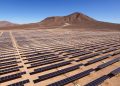













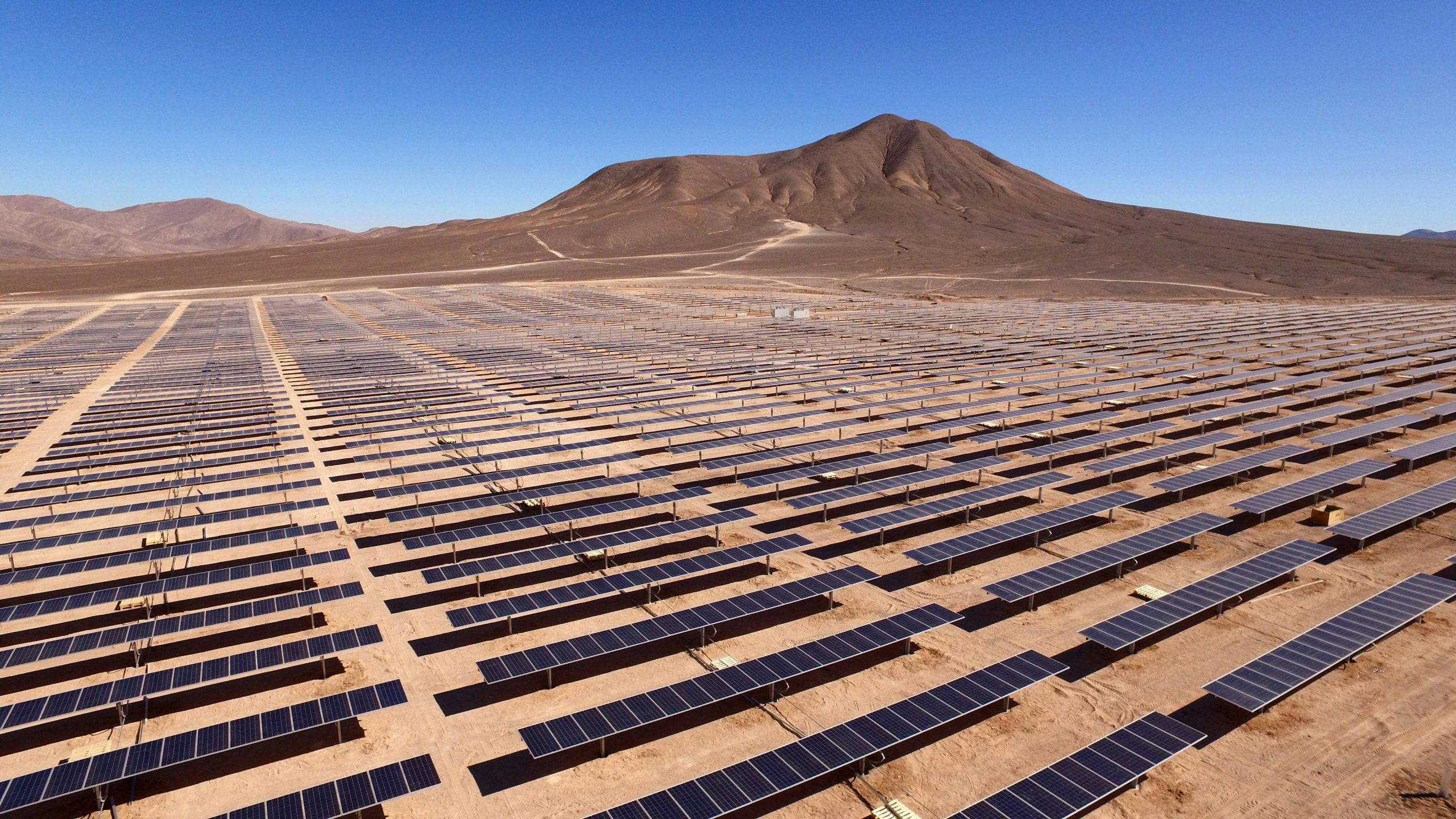
In the quiet hum of machinery and the rhythmic pulse of assembly lines, a silent revolution is unfolding across the globe. Solar-powered factories, once a distant dream of environmental visionaries, are now becoming a vibrant reality, casting a new light on the world of manufacturing. As the sun rises each day, it not only heralds the dawn of a new day but also powers a transformation in how we produce goods. From bustling urban centers to remote industrial hubs, factories are increasingly turning to the sky, harnessing the boundless energy of the sun to fuel their operations. This shift not only signals a profound change in the way industries think about sustainability and energy consumption but also highlights a growing commitment to reducing carbon footprints and embracing renewable resources. Join us as we explore the rise of solar-powered factories, where innovation meets sustainability, and the future of manufacturing shines brighter than ever before.
Harnessing the Sun: Transforming Manufacturing with Solar Energy
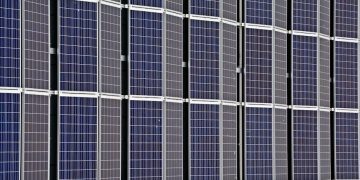
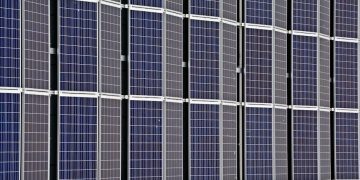
As the world gravitates towards sustainable energy solutions, factories globally are increasingly integrating solar power into their operations, reshaping the manufacturing landscape. This shift is not just about reducing carbon footprints; it’s about redefining efficiency and innovation in production processes. Solar-powered factories are becoming the epitome of modern manufacturing, offering numerous advantages that extend beyond environmental benefits.
- Cost Efficiency: With the plummeting costs of solar panels and installations, companies are seeing significant reductions in energy expenses.
- Energy Independence: By generating their own electricity, factories are less reliant on the grid, shielding themselves from fluctuating energy prices.
- Brand Image: Embracing solar energy enhances a company’s reputation, showcasing a commitment to sustainability.
These solar transformations are not just a trend but a pivotal move towards a more resilient and sustainable industrial future. As technology advances, the potential for solar power in manufacturing is vast, promising not only greener but smarter production facilities.
Global Trends in Solar Factory Integration: A Closer Look
As the global push for sustainability intensifies, industries worldwide are pivoting towards cleaner energy solutions, with solar-powered factories taking center stage. This shift is largely driven by the need to reduce carbon footprints and leverage the financial incentives offered by governments for adopting renewable energy sources. Solar integration in manufacturing facilities is not only an environmentally conscious choice but also a strategic move to reduce long-term operational costs. Companies are harnessing solar energy to power machinery, lighting, and even heating, effectively transforming their factories into self-sustaining entities.
Several trends have emerged in this domain, highlighting the innovative ways companies are integrating solar power:
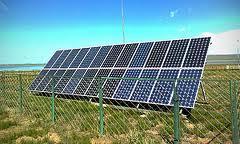
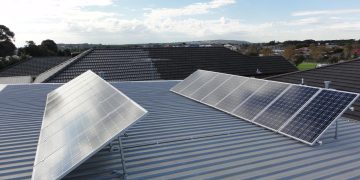
- Localized Energy Production: Factories are increasingly installing solar panels on rooftops and surrounding lands, ensuring energy production is as close to the point of use as possible.
- Hybrid Systems: Many facilities are combining solar power with other renewable energy sources like wind or biomass, creating a diversified energy portfolio that enhances reliability.
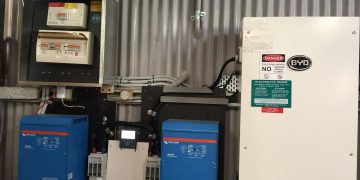
- Advanced Energy Storage: To combat the intermittency of solar power, there is a growing investment in advanced battery systems that store excess energy for use during non-sunny periods.
- Smart Grids: Integration with smart grid technologies is enabling factories to optimize energy usage, reducing waste and ensuring maximum efficiency.
These trends are not just shaping the future of manufacturing but are also setting a precedent for other industries to follow, demonstrating the practical and economic benefits of transitioning to renewable energy solutions.

Overcoming Challenges in Solar-Powered Production
Implementing solar power in manufacturing is not without its hurdles. Initial costs can be significant, with the installation of solar panels and necessary infrastructure requiring a substantial upfront investment. This often deters smaller companies that may not have access to the capital required for such projects. However, government incentives and decreasing costs of solar technology are gradually mitigating this barrier.
Weather dependency is another challenge, as solar energy production can be inconsistent, particularly in regions with limited sunlight. To counteract this, companies are increasingly investing in energy storage solutions like batteries, which allow them to store excess energy generated during sunny periods. Additionally, integrating hybrid systems that combine solar with other renewable sources such as wind or geothermal energy is becoming a popular strategy to ensure a more reliable energy supply. By adopting these innovative solutions, industries are not only overcoming challenges but also paving the way for a more sustainable future.
- High initial costs
- Weather dependency
- Innovative hybrid systems

Strategies for Successful Solar Adoption in Industrial Sectors
To harness the potential of solar energy effectively within the industrial landscape, companies must adopt a blend of innovative and pragmatic approaches. One key strategy is conducting a comprehensive energy audit to identify the most energy-intensive processes. This audit provides insights into which areas can benefit most from solar integration, ensuring that investments yield optimal returns. Additionally, the adoption of smart energy management systems can help industries monitor and control energy usage in real-time, enhancing efficiency and reducing waste.
Another crucial element is establishing strategic partnerships with solar technology providers. These collaborations can offer access to cutting-edge technologies and financing options, making solar adoption more economically viable. Industries should also consider government incentives and subsidies, which can significantly offset initial setup costs. fostering a culture of sustainability and innovation within the organization encourages employees to support and participate in solar initiatives, further driving the transition towards renewable energy.
In Summary
As the sun sets on our exploration of solar-powered factories, it’s clear that this radiant revolution is far from reaching its zenith. Across continents, industries are harnessing the boundless energy of the sun, not only to power their operations but to illuminate a path toward a more sustainable future. This shift is more than a technological advancement; it’s a testament to human ingenuity and our ability to adapt in the face of environmental challenges. As we stand on the cusp of this solar era, one thing is certain: the factories of tomorrow will not only be engines of production but also beacons of hope for a greener planet. Let us continue to watch, innovate, and dream under the same sun that fuels these transformations, forging a brighter future for generations to come.