







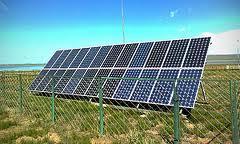




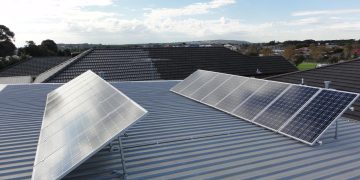





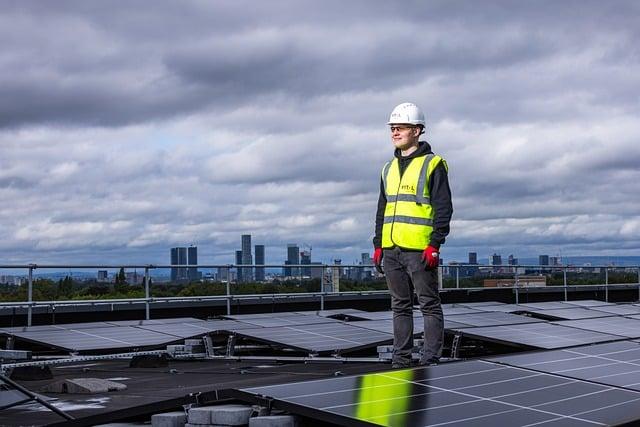
In the tapestry of modern energy solutions, solar power shines as a beacon of innovation and sustainability. As the world increasingly turns its gaze skyward in search of cleaner, renewable energy sources, the sun has emerged as a reliable ally in the fight against climate change. The reveals a dynamic landscape of progress and potential, where technology, policy, and environmental stewardship converge. This article delves into the current state of solar energy across the globe, illuminating the strides made and the challenges that lie ahead in our quest to harness the sun’s abundant power. Whether it’s sprawling solar farms in deserts or sleek panels adorning urban rooftops, solar energy is weaving its way into the fabric of our energy future, promising a brighter tomorrow.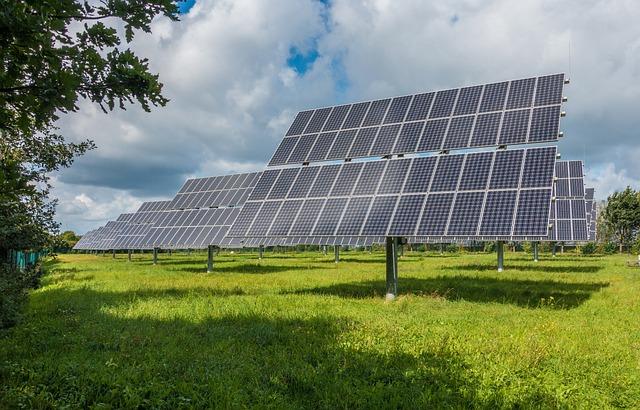
Global Trends in Solar Energy Adoption
The solar energy sector is experiencing a significant transformation, as the latest data reveals a marked increase in global adoption. Nations around the world are investing heavily in solar infrastructure, driven by a combination of economic incentives and environmental commitments. Asia leads the charge, with countries like China and India setting ambitious targets for solar capacity, accounting for a substantial share of the world’s new installations. Meanwhile, Europe continues to innovate, with Germany and Spain pioneering in integrating solar technologies with existing power grids.
Key trends in solar energy adoption include:
- Declining Costs: The cost of solar panels and associated technology continues to decrease, making solar energy more accessible to both developed and developing countries.
- Technological Advancements: Innovations such as bifacial panels and perovskite cells are enhancing efficiency and reducing space requirements.
- Policy Support: Governments worldwide are offering incentives such as tax breaks and subsidies to encourage solar adoption.
- Community Solar Projects: There’s a growing interest in shared solar projects that allow communities to invest in and benefit from solar energy collectively.
These trends underscore a global shift towards sustainable energy sources, highlighting solar power as a key player in the transition to a cleaner energy future.

Regional Disparities and Growth Potential
Recent statistics illuminate a striking contrast in the uptake of solar energy across various regions, revealing both challenges and opportunities for growth. In regions such as North America and Europe, solar technology has seen substantial integration, bolstered by robust governmental policies and incentives. However, other areas, particularly in parts of Africa and Southeast Asia, lag behind due to infrastructural and financial constraints.
- North America: High adoption rates due to supportive policy frameworks and technological advancements.
- Europe: Strong market growth driven by environmental policies and innovative financing models.
- Africa: Emerging potential hindered by lack of investment and infrastructural challenges.
- Southeast Asia: Growing interest but limited by regulatory and economic barriers.
Identifying these disparities is crucial for targeted investments and strategic policy-making. By focusing on regions with untapped potential, stakeholders can not only address energy needs but also catalyze economic development. The path to a more balanced global solar energy landscape lies in bridging these gaps through collaboration and innovation.

Technological Innovations Driving Solar Expansion
As solar energy continues its meteoric rise on the global stage, several cutting-edge technologies are playing pivotal roles in this transformation. Bifacial solar panels are one such innovation, capable of capturing sunlight on both sides, thereby increasing energy efficiency. This design not only maximizes electricity production but also reduces the space needed for installation, making it ideal for urban settings.
Additionally, the integration of artificial intelligence in solar energy systems has revolutionized how we harness and manage power. AI-driven software can predict weather patterns, optimize energy storage, and streamline distribution networks, ensuring that solar energy is used most efficiently. Furthermore, perovskite solar cells are emerging as a game-changer due to their lower production costs and higher flexibility compared to traditional silicon-based cells. These advancements, along with others, are contributing to a more sustainable and accessible energy future worldwide.
- Bifacial Solar Panels – Capture sunlight from both sides.
- AI Integration – Enhances energy management and efficiency.
- Perovskite Solar Cells – Cost-effective and flexible alternative.
Strategies for Accelerating Solar Adoption Worldwide
In the quest to enhance solar energy adoption globally, several innovative strategies have emerged, leveraging both technological advancements and policy initiatives. Key among these is the integration of smart grid technologies that allow for more efficient distribution and utilization of solar power. By investing in grid modernization, countries can better manage energy flows and reduce reliance on fossil fuels. Furthermore, financial incentives such as tax credits, subsidies, and low-interest loans are critical in encouraging both residential and commercial entities to invest in solar systems. These incentives not only lower the initial cost but also enhance the return on investment over time.
Equally important is the role of public-private partnerships in fostering solar adoption. By collaborating, governments and private sectors can pool resources, share risks, and accelerate the deployment of solar projects. Another effective approach is the implementation of community solar programs, which allow individuals who cannot install solar panels on their property to participate in and benefit from solar energy projects. Additionally, educational campaigns play a crucial role in raising awareness and dispelling myths about solar energy, thereby fostering a more informed and supportive public. By adopting these strategies, the path toward a more sustainable and solar-powered future becomes increasingly attainable.
Wrapping Up
As the sun sets on our exploration of the , it is clear that the journey towards a sustainable future is both promising and complex. The rays of innovation continue to pierce through the clouds of challenges, illuminating pathways for countries and communities to harness the power of the sun. While the figures and trends paint a picture of progress, they also underscore the need for continued commitment and collaboration on a global scale. As we stand on the brink of a new era in energy, let us remain mindful of the delicate balance between technological advancement and environmental stewardship. The story of solar energy is still being written, and its potential is as vast as the sky itself. So, let us watch the horizon with hope and determination, knowing that every solar panel installed today brings us one step closer to a brighter, more sustainable tomorrow.