








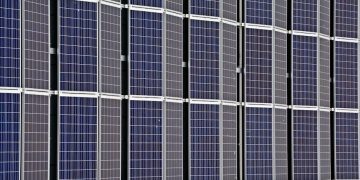
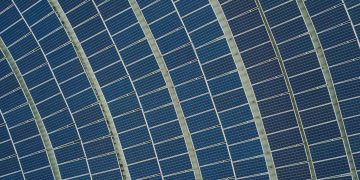


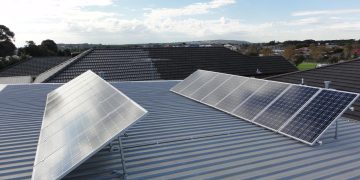
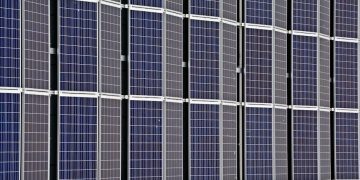

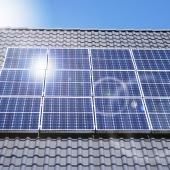




In a world where the sun has always been a steadfast presence, its rays now illuminate more than just our days—they power our future. As societies pivot towards sustainability, an intriguing phenomenon is unfolding: the surge in consumer demand for solar energy. This burgeoning interest, once a mere flicker on the horizon of energy possibilities, has transformed into a radiant force driving the widespread adoption of solar technology. From suburban rooftops to sprawling corporate campuses, solar panels are becoming as ubiquitous as the sun itself. But what fuels this shift? As we delve into the dynamics of this solar revolution, we uncover how consumer preferences are not just reflecting a change, but actively accelerating the momentum towards a more sustainable and sunlit future.
Harnessing the Sun: Understanding the Surge in Consumer Interest
The growing interest in solar energy among consumers can be attributed to a combination of technological advancements and a heightened awareness of environmental issues. Solar panels have become more efficient and affordable, making them an attractive option for homeowners and businesses alike. This shift is not just a trend but a reflection of a deeper commitment to sustainable living. The desire to reduce electricity bills, combined with government incentives and tax rebates, has further fueled this movement.
Several factors are driving this increased demand for solar solutions:
- Cost Reduction: The price of solar panels has significantly decreased over the past decade, making them accessible to a broader audience.
- Technological Advancements: Innovations in solar technology have improved efficiency, allowing panels to generate more energy from the same amount of sunlight.
- Environmental Awareness: Consumers are becoming more conscious of their carbon footprint and are eager to adopt cleaner energy sources.
- Government Support: Incentives such as tax credits and rebates make the transition to solar more financially viable.

Empowering Choices: How Consumer Preferences Are Shaping Solar Solutions
In the evolving landscape of renewable energy, consumer preferences are playing a pivotal role in the transformation and acceleration of solar solutions. With the rise of eco-consciousness and a growing awareness of climate change, individuals and businesses alike are demanding more from their energy sources. Solar technology companies are responding by developing solutions that are not only efficient but also tailored to meet diverse consumer needs. From sleek, aesthetically pleasing solar panels that blend seamlessly with modern architecture to flexible payment and leasing options, the solar industry is innovating at an unprecedented pace to satisfy these emerging demands.
- Customization: Consumers now have the option to tailor solar solutions to fit their specific energy needs and lifestyle.
- Aesthetic Appeal: Solar panels are being designed to integrate beautifully with various architectural styles.
- Financial Flexibility: With diverse payment plans and incentives, solar energy is becoming more accessible to a wider audience.
- Sustainability: A shift towards more sustainable materials and manufacturing processes is becoming a standard expectation.
These preferences are not just shaping the products and services on offer but are also influencing the very business models of solar companies. By placing consumers at the heart of innovation, the solar industry is not only advancing technologically but is also fostering a more sustainable and consumer-centric energy future.

Bright Investments: Financial Benefits Driving Solar Energy Adoption
The surge in solar energy adoption can largely be attributed to its compelling financial benefits, making it an attractive investment for both individuals and businesses. As traditional energy costs continue to rise, the promise of significant savings on utility bills is a key driver behind this shift. Homeowners and companies alike are discovering that the initial costs of installing solar panels can be offset by the long-term reduction in energy expenses, providing a robust return on investment. In many regions, financial incentives such as tax credits and rebates further sweeten the deal, reducing the upfront cost and accelerating the payback period.
Beyond direct savings, solar energy investments contribute to increased property values. Properties equipped with solar panels often command higher prices in the real estate market, making them more appealing to eco-conscious buyers. Additionally, solar energy systems can provide a buffer against future energy price fluctuations, offering a measure of financial stability. The growing awareness of these benefits is reflected in the rising consumer demand for solar solutions, as individuals increasingly recognize the potential for both immediate and long-term financial gains.
- Reduction in monthly utility bills
- Availability of government incentives
- Increased property values
- Protection against energy price hikes

Navigating the Future: Strategic Steps for Embracing Solar Technology
As solar technology continues to evolve, strategic approaches to its adoption are crucial. For businesses and homeowners looking to integrate solar solutions, a few key steps can help navigate this transition effectively. First, conducting a thorough energy audit is essential. This helps in understanding current energy usage and identifying areas where solar can provide the most benefit. Partnering with experienced solar providers can offer insights into customized solutions that fit specific energy needs.
- Evaluate available roof or land space for optimal solar panel placement.
- Research government incentives and tax credits that can offset initial costs.
- Consider energy storage solutions to maximize solar efficiency.
Furthermore, staying informed about the latest technological advancements is crucial. Innovations in solar efficiency and battery storage can significantly impact the return on investment. By leveraging data analytics and smart technology, consumers can optimize their solar systems, ensuring they not only meet current energy needs but also adapt to future demands.
Future Outlook
As the sun sets on our exploration of the dynamic relationship between consumer demand and the acceleration of solar adoption, it becomes clear that the future is indeed bright. The compelling narrative of individuals and communities choosing sustainable energy reflects a broader shift towards environmental stewardship and economic pragmatism. As we continue to witness the transformative power of consumer choices, the solar revolution stands as a testament to the collective drive towards a cleaner, more resilient planet. With each solar panel installed, we edge closer to a future where renewable energy is not just an alternative, but the norm. Let us remain curious and engaged, as this journey towards a sustainable tomorrow unfolds, fueled by the power of the sun and the voices of those who demand change.