







As the Earth pirouettes through its annual ballet of seasons, the dance of sunlight and shadow not only transforms landscapes but also impacts the economics of harnessing that very sunlight. In the world of solar energy, where the promise of clean, renewable power meets the practicality of installation logistics, the changing seasons play a crucial role. Just as a gardener adjusts planting schedules according to the frost and bloom, solar industry experts must navigate the ebb and flow of costs influenced by the calendar. This article delves into the intricate relationship between seasonal shifts and solar installation expenses, unraveling how the tilt of the Earth’s axis can tip the scales of investment in renewable energy. Whether you’re a homeowner eyeing the potential of sun-soaked rooftops or a business calculating the return on green investments, understanding these seasonal nuances can illuminate the path to more informed decisions.
Understanding the Influence of Weather Patterns on Solar Pricing
The pricing dynamics of solar installations are intricately tied to weather patterns, which can affect both the demand for solar panels and the logistical aspects of installation. As the seasons shift, several factors come into play that can influence the cost of harnessing solar energy. Seasonal changes can dictate the availability of solar components, as well as the timing of installations, leading to variations in pricing.
- Summer: High demand due to increased daylight hours, but installation may be impacted by heatwaves, raising labor costs.
- Autumn: A popular time for installations, often leading to competitive pricing as companies vie for end-of-year sales.
- Winter: Challenges in installation due to snow and shorter days can increase costs, but demand is often lower, which might lead to discounts.
- Spring: A balanced period with moderate weather conditions that often sees stable pricing as homeowners prepare for the summer sun.
Understanding these seasonal nuances can empower consumers to make informed decisions about when to embark on their solar journey, potentially saving on costs while maximizing efficiency and effectiveness.
Navigating Installation Costs: Winter vs. Summer Dynamics
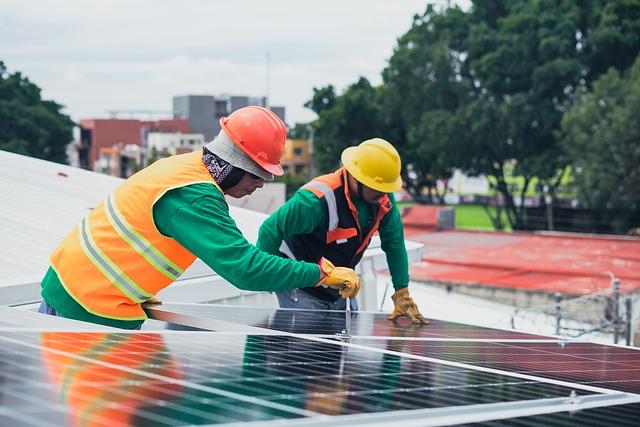
As the seasons change, so do the dynamics of solar installation costs. Winter months often bring a unique set of challenges and opportunities. Installers may offer discounts to keep their teams busy during slower periods, potentially leading to reduced costs for homeowners. However, inclement weather can introduce delays and increase labor costs. The availability of installers can also fluctuate, with some regions experiencing a decrease in workforce due to weather-related conditions.
Conversely, summer is traditionally the peak season for solar installations, resulting in a higher demand for services. This surge can lead to increased prices due to the heightened competition for available installers. Yet, the efficiency of summer installations often means quicker project completions. Factors to consider during summer include:
- Extended daylight hours for more efficient installation times.
- Higher competition among homeowners, potentially driving up prices.
- Greater availability of new technologies and materials as suppliers ramp up for the season.
Maximizing Savings: Timing Your Solar Installation
In the pursuit of cost-effective solar energy solutions, understanding the influence of seasonal variations is crucial. Timing your installation strategically can lead to significant savings. During winter months, when demand for solar installations typically decreases, many companies offer competitive pricing to attract customers. This period often sees an uptick in promotional offers, discounted rates, and flexible financing options.
Consider the following benefits of a winter installation:
- Lower installation costs due to decreased demand.
- Faster project timelines as installers have more availability.
- Potential tax incentives as the year ends.
On the other hand, opting for a spring installation can also be advantageous. As days grow longer and sunnier, you can immediately begin reaping the benefits of your new system. This season is particularly beneficial for maximizing solar efficiency, as panels can start generating electricity at their full potential right away.

Strategic Planning for Seasonal Solar Investments
Understanding the ebb and flow of solar installation costs throughout the year can be a game-changer for savvy investors. Seasonal variations in demand, supply chain dynamics, and weather conditions can significantly impact pricing. During sunnier months, there’s often a surge in demand for solar installations, leading to potentially higher costs due to increased labor and equipment demand. Conversely, during the off-peak season, many companies offer discounts to attract business, making it an ideal time for strategic investments.
- Demand Fluctuations: High demand in spring and summer can drive up prices.
- Weather Considerations: Installations in winter may face delays but offer cost savings.
- Supply Chain Dynamics: Material availability can vary, influencing costs year-round.
Investors aiming to optimize their budgets should consider these patterns when planning solar projects. By aligning installation schedules with periods of lower demand and leveraging seasonal promotions, substantial savings can be achieved without compromising on quality. Flexibility and timing are key components in crafting a successful investment strategy in the solar sector.
Insights and Conclusions
As the sun dips below the horizon, casting a golden hue across the landscape, we find ourselves at the crossroads of understanding and action. The rhythmic dance of the seasons, with its ebb and flow, plays an undeniable role in shaping the costs of solar installation. From the vibrant rush of spring to the tranquil hush of winter, each season leaves its indelible mark on both the environment and our financial decisions.
Navigating these seasonal shifts requires a blend of foresight and adaptability, a willingness to harness the sun’s energy while also respecting the nuances of its cyclical journey. As we’ve explored, timing your solar investment with the changing seasons can lead to both economic and environmental benefits. Whether you’re a homeowner poised to make the leap into renewable energy or a curious observer of nature’s patterns, the knowledge of how these cycles affect solar costs empowers you to make informed decisions.
As we close the chapter on this exploration, remember that the sun is a constant, even as the seasons transform. Embrace the knowledge, and let it illuminate your path towards sustainable energy solutions, harmonizing with the natural rhythms of our world.