











In the bustling heart of cities where skyscrapers pierce the sky and streets pulse with life, a quiet revolution is taking root—one that harnesses the sun’s timeless power to fuel the future. The rise of residential solar in urban markets is more than just a trend; it’s a transformative shift that reflects a broader societal awakening to sustainability and self-reliance. As the golden rays of dawn illuminate the concrete jungles, a growing number of city dwellers are turning to solar panels, not just to cut energy costs, but to redefine what it means to live sustainably in an urban landscape. This article explores how technological advancements, environmental awareness, and economic incentives are converging to bring solar energy into the very fabric of city life, promising a brighter, cleaner, and more resilient urban future.
Harnessing Sunlight in the Cityscape
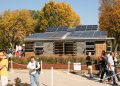
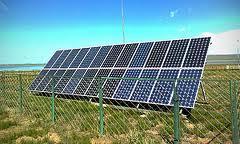
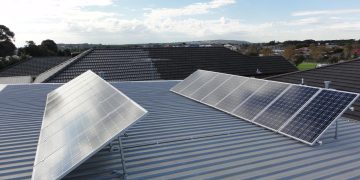
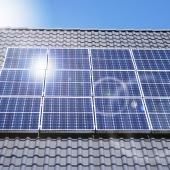
In the heart of bustling metropolises, a silent revolution is taking place on rooftops and terraces. Urban residential solar installations are becoming more than just a trend; they are a testament to a city’s commitment to sustainable living. With technological advancements, even the most densely packed cityscapes are finding ways to capture the abundant energy of the sun. This shift is driven by several key factors:
- Decreasing costs of solar panels and installation.
- Government incentives and subsidies encouraging green energy.
- Innovations in solar panel design that cater to limited space.
- The growing awareness of environmental responsibility among urban dwellers.
As more urbanites opt for solar solutions, cities are adapting by integrating these technologies into their infrastructure. The result is a skyline dotted with panels that not only reduce energy bills but also contribute to a cleaner environment. By tapping into this renewable resource, urban areas are taking a significant step towards energy independence, setting a precedent for future urban planning and development.
Innovative Financing Models Empowering Urban Homeowners
In recent years, a plethora of innovative financing models have emerged, empowering urban homeowners to invest in residential solar systems without the hefty upfront costs traditionally associated with such installations. These models have revolutionized access to solar energy, making it more feasible for homeowners in densely populated areas to contribute to a sustainable future. Among the most prominent financing options are:
- Solar Leases: Homeowners can lease solar panels, paying a monthly fee to use the equipment while a third party retains ownership and responsibility for maintenance.
- Power Purchase Agreements (PPAs): This model allows homeowners to purchase the electricity generated by the solar panels at a set rate, often lower than traditional utility rates, without owning the panels themselves.
- Property Assessed Clean Energy (PACE) Financing: By adding the cost of solar installations to property tax assessments, homeowners can pay off the investment over time through their property taxes, often with low-interest rates.
These financing innovations not only democratize access to solar energy but also stimulate urban markets by aligning environmental benefits with economic incentives. As more cities adopt policies to support these models, the urban landscape is witnessing a significant transformation towards renewable energy adoption.

Overcoming Architectural Challenges in Urban Solar Installation
As urban environments continue to expand, incorporating solar technology into residential buildings presents a unique set of architectural challenges. Space constraints are a primary concern, as rooftops in densely populated areas are often limited in size and may be cluttered with HVAC systems, antennas, and other infrastructure. To address this, architects and engineers are increasingly utilizing innovative design strategies, such as:
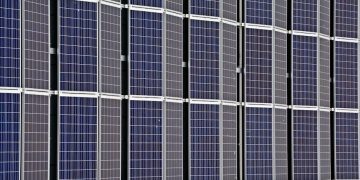
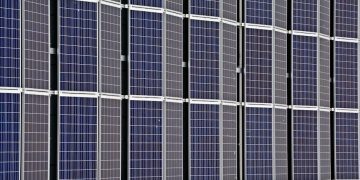
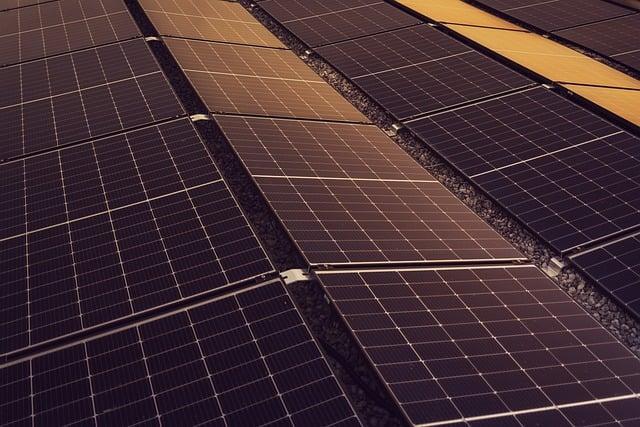
- Bifacial solar panels that capture sunlight from both sides, maximizing energy production even in limited spaces.
- Building-integrated photovoltaics (BIPV) that seamlessly blend into the existing architecture, serving dual purposes as both structural elements and energy generators.
- Vertical solar installations on building facades, taking advantage of available vertical space when horizontal areas are insufficient.
Moreover, the challenge of shading from neighboring structures and urban vegetation necessitates the use of advanced solar mapping technologies to optimize panel placement and orientation. These tools allow for precise modeling of sun paths and shading patterns, ensuring maximum efficiency and output. Additionally, collaboration between urban planners and solar developers is crucial to harmonize the aesthetic and functional aspects of solar integration, ensuring that renewable energy systems complement the cityscape while meeting the energy needs of urban dwellers.
Policy Pathways for a Brighter Urban Solar Future
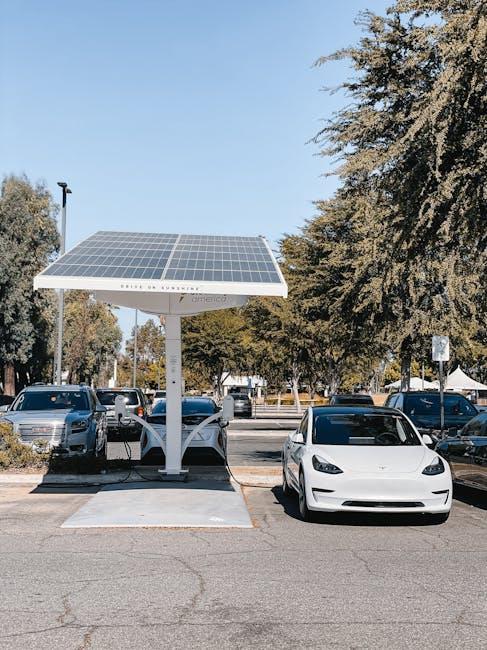
As cities continue to grow and evolve, integrating solar energy into the urban landscape is becoming not just a possibility but a necessity. Policy pathways play a crucial role in unlocking the potential of residential solar, and several strategic actions can be taken to ensure a sustainable solar future. First, local governments can implement streamlined permitting processes to reduce the time and cost associated with solar panel installations. This not only encourages more homeowners to adopt solar but also supports local businesses involved in the solar supply chain.
Another essential pathway involves creating financial incentives to make solar energy more accessible to urban residents. These could include:
- Tax credits for homeowners who install solar panels.
- Subsidized loans to assist with the initial investment costs.
- Net metering policies that allow residents to sell excess energy back to the grid.
Moreover, fostering public-private partnerships can drive innovation and investment in solar technology, ensuring that urban areas are at the forefront of the clean energy transition. By adopting these policy pathways, cities can pave the way for a brighter, solar-powered future.
To Wrap It Up
As the sun sets on our exploration of the burgeoning landscape of residential solar in urban markets, it is clear that this renewable energy revolution is far from reaching its zenith. With each solar panel installed, cities are not only reducing their carbon footprint but also empowering homeowners to take charge of their energy future. The confluence of technological innovation, policy support, and growing environmental awareness has set the stage for a brighter, more sustainable urban experience. As we look to the horizon, the promise of solar energy illuminates a path forward—a path that is as dynamic and transformative as the cities it seeks to power. Whether you’re an urban dweller considering solar or simply an observer of this electrifying trend, one thing is certain: the future of urban living is being reshaped under the guiding light of the sun.